The Timeless Appeal of the Date Palm
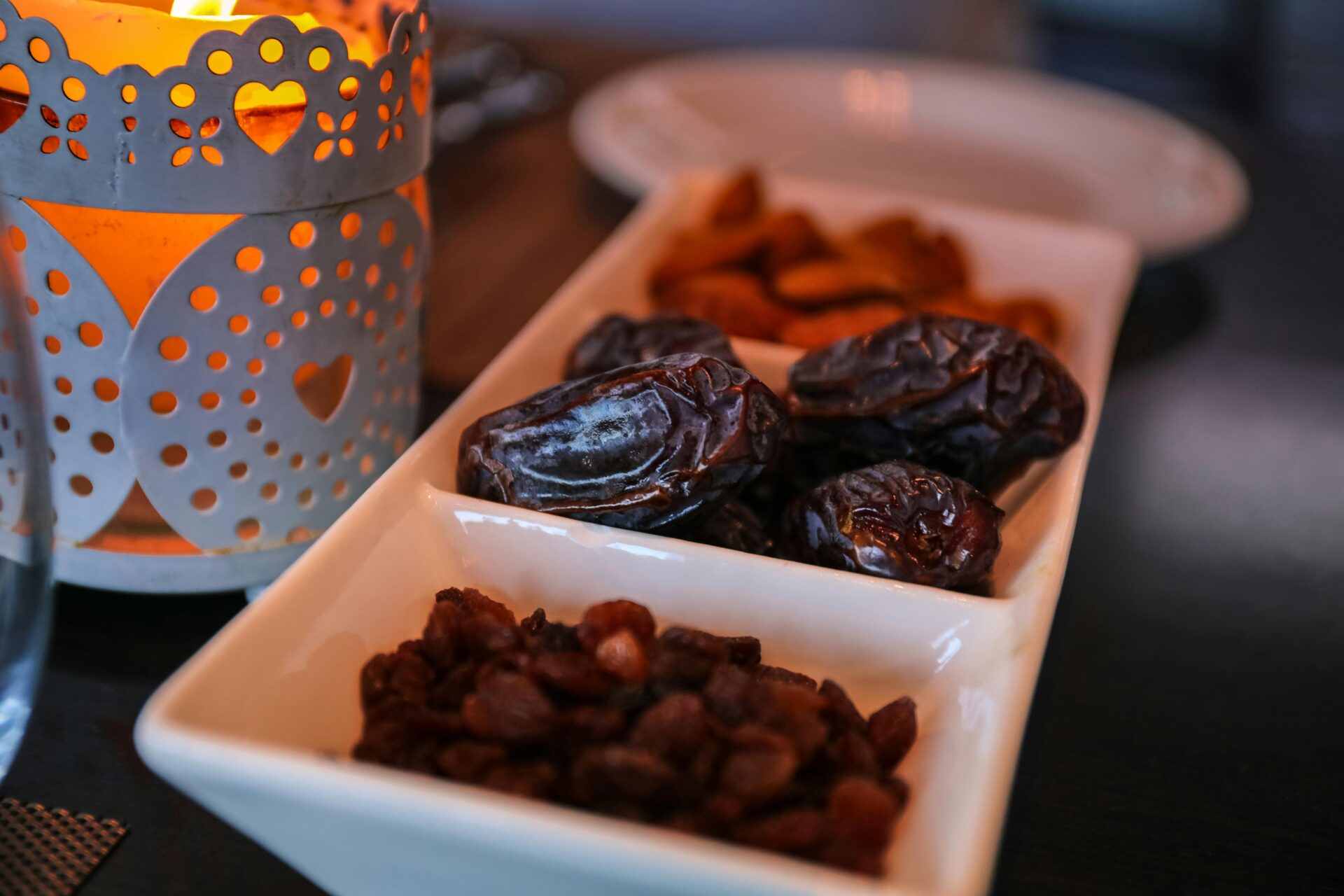
For millennia, the fruit of the date palm (Phoenix dactylifera) has been more than just a sweet treat. In many cultures, particularly across the Middle East and North Africa, dates are known as "the bread of the desert." They are a symbol of hospitality, a staple for breaking fasts, and a powerhouse of nutrition that can sustain a traveler for days.
In our modern world, where refined sugars and processed snacks dominate the aisles, the humble date is making a massive comeback. Health-conscious eaters and fitness enthusiasts are rediscovering what ancient civilizations knew all along: dates are nature’s perfect energy pod. But what exactly makes them so special? Is it just the sugar, or is there a deeper biological benefit to these sticky, caramel-like fruits?
In this deep dive, we will analyze the nutritional profile of dates, explore their multifaceted health benefits, and show you how to seamlessly integrate them into a modern diet to transform your well-being.
1. Decoding the Nutritional Powerhouse
When you look at a date, you see a small, wrinkled fruit. But beneath that exterior lies a sophisticated matrix of macro and micronutrients.
The Macro Breakdown
A typical 100-gram serving (about 4 Medjool dates) provides:
Calories: ~277 kcal
Carbohydrates: 75g (mostly natural sugars like glucose and fructose)
Fiber: 7g (nearly 25–30% of your daily requirement)
Protein: 2g
The Micronutrient Shield
Dates are exceptionally high in specific minerals that many modern diets lack:
Potassium: Vital for heart health and nerve signaling. Dates contain more potassium by weight than bananas.
Magnesium: Essential for over 300 biochemical reactions in the body, including muscle function and bone health.
Copper & Manganese: Trace minerals that support metabolic health and antioxidant defense systems.
Vitamin B6: Crucial for brain development and function.
2. Digestive Health: The Fiber Revolution
One of the standout features of the Sensediary post is the emphasis on digestive wellness.
Preventing the Sluggish Gut
The high fiber content in dates is primarily insoluble fiber. Unlike soluble fiber, which turns into a gel, insoluble fiber adds bulk to the stool and speeds up the passage of food through the digestive tract. This makes dates a premier natural remedy for constipation.
Prebiotic Potential
Beyond just "keeping things moving," the fiber in dates acts as a prebiotic. It feeds the beneficial bacteria (probiotics) in your gut microbiome. A healthy gut microbiome is linked to everything from better immunity to improved mental health. By eating dates, you aren't just feeding yourself; you’re cultivating an internal garden of health.
3. The Brain-Boosting Power of Polyphenols
Recent studies have highlighted the neuroprotective properties of dates. As we age, our brains are susceptible to oxidative stress and inflammation, which can lead to neurodegenerative diseases like Alzheimer’s.
Fighting Plaque and Inflammation
Dates are rich in phenolic compounds and antioxidants like flavonoids. Research suggests these compounds help reduce the activity of amyloid-beta proteins, which form plaques in the brain. Furthermore, the presence of Vitamin B6 is directly linked to the production of neurotransmitters like serotonin and dopamine, which regulate mood and cognitive function.
4. Cardiovascular Health: A Heart-Friendly Sweetener
It seems counterintuitive that a fruit so high in sugar could be good for the heart, but the science supports it.
Cholesterol and Blood Pressure
The potassium in dates helps manage blood pressure by easing tension in blood vessel walls and offsetting the effects of sodium. Additionally, the fiber helps lower LDL (bad) cholesterol levels by binding with it in the digestive system and preventing it from entering the bloodstream.
Antioxidant Protection
Dates contain carotenoids and phenolic acid, both of which are known for their ability to reduce inflammation. Chronic inflammation is a primary driver of atherosclerosis (hardening of the arteries). By neutralizing free radicals, dates help keep the cardiovascular system resilient.
5. Dates and Diabetes: The Glycemic Index Myth
Many people with diabetes avoid dates because of their intense sweetness. However, dates have a low Glycemic Index (GI), typically ranging between 42 and 50.
Steady Energy, No Spikes
Because of the high fiber content, the natural sugars in dates are absorbed slowly into the bloodstream. This prevents the rapid insulin spikes associated with refined sugar. When eaten in moderation (1–2 dates), they can satisfy a "sweet tooth" without compromising blood glucose management.
6. Bone Health and Mineral Density
As we age, bone density naturally declines, leading to conditions like osteoporosis. Most people turn to dairy for calcium, but dates offer a unique "mineral cocktail" for bone support.
The Synergy of Magnesium, Boron, and Copper
Dates contain boron, a mineral that helps the body utilize calcium and magnesium effectively. They also provide significant amounts of manganese and selenium. This combination is essential for bone mineralization and maintaining the structural integrity of the skeletal system.
7. Natural Labor Induction: An Ancient Secret Validated
One of the most fascinating areas of research regarding dates is their effect on late-term pregnancy.
Easing the Path to Motherhood
Several clinical studies have shown that consuming dates (about 60–70 grams daily) in the last four weeks of pregnancy can:
Promote cervical dilation.
Reduce the need for induced labor.
Shorten the duration of active labor. It is believed that compounds in dates mimic the action of oxytocin, the hormone responsible for contractions.
8. Varieties of Dates: Which One Should You Choose?
Not all dates are created equal. Depending on your taste and nutritional needs, you might prefer one over the other:
Medjool Dates: Often called the "King of Dates." They are large, moist, and have a rich, maple-syrup flavor. Perfect for stuffing with nuts or blending into smoothies.
Deglet Noor: Known as the "Date of Light." These are firmer and less sweet, making them ideal for baking and chopping into salads.
Ajwa Dates: Small, dark, and highly revered for their medicinal properties. They have a more prune-like texture and a sophisticated, less sugary taste.
Barhi Dates: Best eaten when fresh (yellow and crunchy) or fully ripe. They taste like butterscotch.
9. Creative Ways to Repurpose Dates in Your Kitchen
To truly benefit from dates, you need to move beyond just snacking on them plain. Here are five ways to revolutionize your pantry:
A. The "Date Paste" Revolution
Replace white sugar in your baking with date paste.
How to make it: Soak pitted dates in warm water for 15 minutes. Blend them with a splash of the soaking liquid until smooth.
Ratio: Use a 1:1 ratio to replace granulated sugar. It adds moisture, fiber, and vitamins to cookies and cakes.
B. Gourmet Stuffed Dates
Transform a simple fruit into a high-protein appetizer.
Idea 1: Medjool dates stuffed with almond butter and a sprinkle of sea salt.
Idea 2: Dates stuffed with goat cheese and wrapped in a thin slice of prosciutto (for a sweet-savory balance).
C. The Natural Pre-Workout
Skip the artificial energy gels. Two dates provide a quick burst of glucose for immediate energy and fructose for sustained fuel, while the potassium prevents muscle cramping during intense exercise.
D. Sweetening Smoothies and Oatmeal
Instead of honey or agave, drop one or two pitted dates into your morning blender. They provide a creamy texture and a deep, caramelized sweetness that complements greens and protein powders.
E. Date Syrup (Silan)
Drizzle date syrup over Greek yogurt, pancakes, or even roasted carrots. It offers a more complex flavor profile than maple syrup and a higher mineral count.
10. Potential Risks and Moderation
While dates are a superfood, they are calorie-dense. A handful of dates can easily exceed 400 calories.
Portion Control: Aim for 2–3 dates per day to reap the benefits without excessive calorie intake.
Dental Health: Because dates are sticky and high in sugar, they can cling to teeth. Always rinse your mouth or brush after eating them to prevent cavities.
Sulfites: Some commercially packaged dried dates use sulfites as a preservative. If you have an allergy, look for "organic" or "unsulfured" labels.
Reccommended Post: 8 Science-Backed Reasons to Include Sweet Potatoes in Your Diet
Conclusion: A Small Fruit with a Big Impact
The analysis of Sensediary’s "Sweet Dates" reveals a fruit that is far more than a simple dessert. It is a biological tool for better digestion, a shield for the brain, and a friend to the heart.
By replacing just one processed snack a day with a couple of dates, you are choosing a path of ancestral wisdom backed by modern science. Whether you are a pregnant mother, an athlete, or someone simply looking to cut down on refined sugar, the date palm offers a solution that is as delicious as it is effective.
Call to Action: Next time you’re at the grocery store, skip the candy aisle and head to the produce section. Grab a box of Medjool dates and start your journey toward natural, sustained energy today!

 In the world of health and wellness, we are currently witnessing a paradigm shift. For decades, we have been fed a steady diet of "general guidelines." We were told to follow the food pyramid, then the "MyPlate" method, and were bombarded with universal advice: Eat less fat. No, eat less carbs. Drink eight glasses of water. Take a multivitamin.
 Have you ever had those days where you’re checking every box — working hard, staying organized, keeping up appearances — yet still feeling oddly unfulfilled? You’re not alone. Many people live on autopilot, chasing productivity but missing out on joy.
The truth is, happiness doesn’t always come from big life changes. Often, it grows quietly from the tiny things we repeat every day.
In thi... #DailyJoyChallenge #HappinessHabit #MindfulLiving #TinyHabitsBigImpact
Have you ever had those days where you’re checking every box — working hard, staying organized, keeping up appearances — yet still feeling oddly unfulfilled? You’re not alone. Many people live on autopilot, chasing productivity but missing out on joy.
The truth is, happiness doesn’t always come from big life changes. Often, it grows quietly from the tiny things we repeat every day.
In thi... #DailyJoyChallenge #HappinessHabit #MindfulLiving #TinyHabitsBigImpact  Are you tired of feeling sluggish after meals, dealing with random cravings, or wondering why your “healthy” foods don’t seem to help? You’re not alone. The truth is, many of us eat far more ultra-processed foods than we realize — even when we think we’re eating well.
But the great news? You c... #DitchProcessedFoods #EatRealFeelBetter #HealthyFoodSwap #WholeFoodLifestyle
Are you tired of feeling sluggish after meals, dealing with random cravings, or wondering why your “healthy” foods don’t seem to help? You’re not alone. The truth is, many of us eat far more ultra-processed foods than we realize — even when we think we’re eating well.
But the great news? You c... #DitchProcessedFoods #EatRealFeelBetter #HealthyFoodSwap #WholeFoodLifestyle 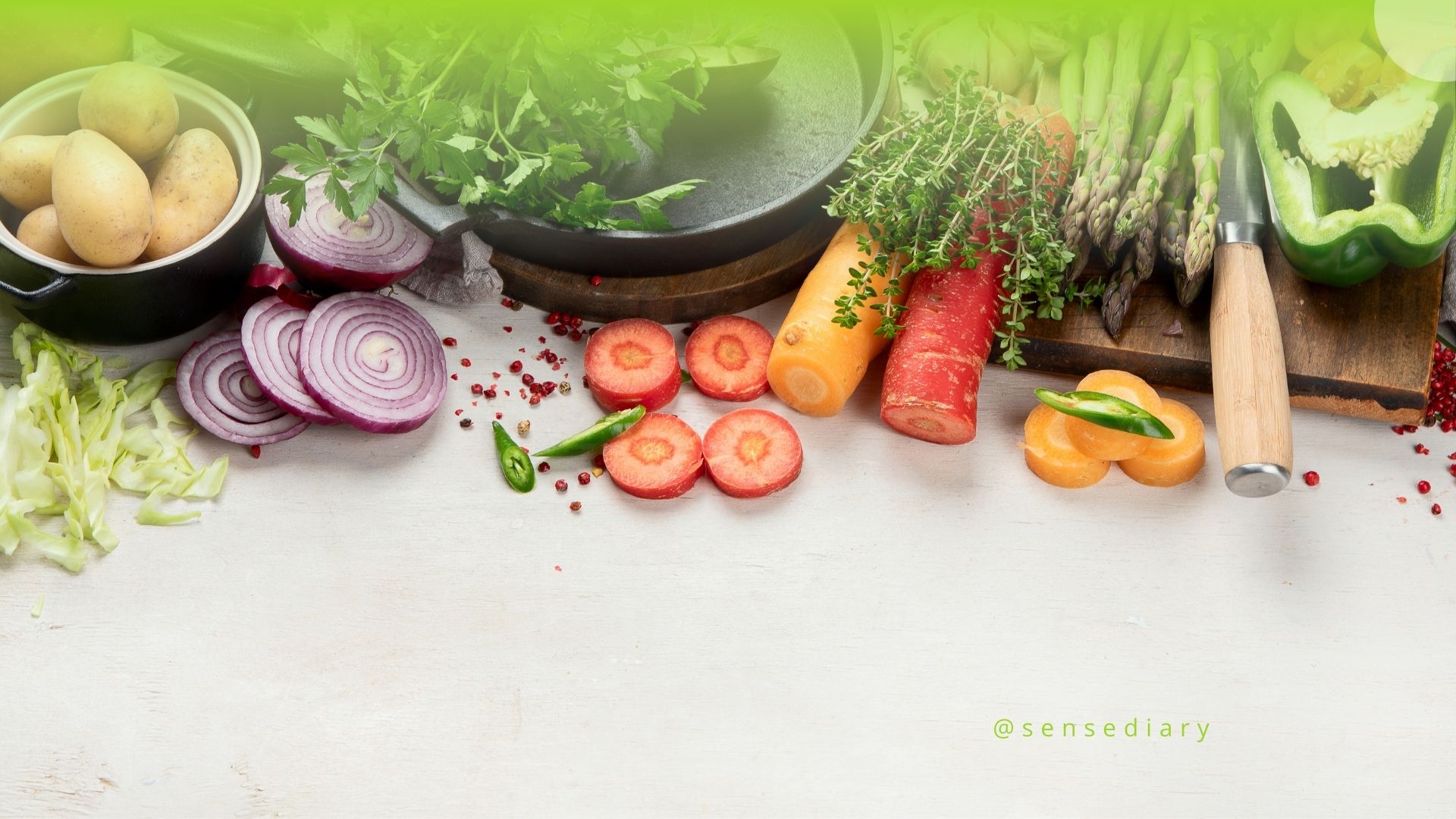 🧠 Feed Your Brain, Protect Your Memories
Alzheimer’s disease and other forms of dementia are not just medical terms we read about in the news—they’re life-changing realities that can affect our families, friendships, and the stories we hope to share for years to come. While there’s no single “miracle cure,” growing research shows that the food on your plate every day plays a powerful role in protecting your memory and sharpening your mind.
Imagine this: a future where you still remember every laugh, every face, every cherished moment. That future begins with the choices you make in your kitchen today. From the vibrant antioxidants in blueberries and leafy greens to the brain-nourishing omega-3 fats in salmon and walnuts, certain foods do far more than fill your stomach—they actively fight inflammation, improve blood flow, and strengthen the very cells that store your memories.
But it’s not only about adding “superfoods.” It’s about the rhythm of your meals—the patterns that define how you eat. Diets like the Mediterranean and the MIND plan, rich in vegetables, whole grains, nuts, and healthy oils, have been linked to dramatically lower risks of Alzheimer’s and cognitive decline. At the same time, cutting back on sugary drinks, ultra-processed snacks, and heavy saturated fats can help keep your brain’s communication lines clear and strong.
This isn’t about chasing trends or overhauling your life overnight. It’s about small, lasting swaps: olive oil instead of butter, berries instead of pastries, a handful of walnuts instead of chips. Each choice is a quiet investment in decades of clearer thinking and stronger memory.
Your brain is the most valuable asset you’ll ever own—nourish it like it matters.
👉 Read more to discover the top foods, evidence-backed diets, and practical tips that can help reduce dementia and Alzheimer’s risk and keep your mind sharp for years to come. #BrainHealthFoods #DementiaPrevention #EatForYourMind #HealthyAging
🧠 Feed Your Brain, Protect Your Memories
Alzheimer’s disease and other forms of dementia are not just medical terms we read about in the news—they’re life-changing realities that can affect our families, friendships, and the stories we hope to share for years to come. While there’s no single “miracle cure,” growing research shows that the food on your plate every day plays a powerful role in protecting your memory and sharpening your mind.
Imagine this: a future where you still remember every laugh, every face, every cherished moment. That future begins with the choices you make in your kitchen today. From the vibrant antioxidants in blueberries and leafy greens to the brain-nourishing omega-3 fats in salmon and walnuts, certain foods do far more than fill your stomach—they actively fight inflammation, improve blood flow, and strengthen the very cells that store your memories.
But it’s not only about adding “superfoods.” It’s about the rhythm of your meals—the patterns that define how you eat. Diets like the Mediterranean and the MIND plan, rich in vegetables, whole grains, nuts, and healthy oils, have been linked to dramatically lower risks of Alzheimer’s and cognitive decline. At the same time, cutting back on sugary drinks, ultra-processed snacks, and heavy saturated fats can help keep your brain’s communication lines clear and strong.
This isn’t about chasing trends or overhauling your life overnight. It’s about small, lasting swaps: olive oil instead of butter, berries instead of pastries, a handful of walnuts instead of chips. Each choice is a quiet investment in decades of clearer thinking and stronger memory.
Your brain is the most valuable asset you’ll ever own—nourish it like it matters.
👉 Read more to discover the top foods, evidence-backed diets, and practical tips that can help reduce dementia and Alzheimer’s risk and keep your mind sharp for years to come. #BrainHealthFoods #DementiaPrevention #EatForYourMind #HealthyAging 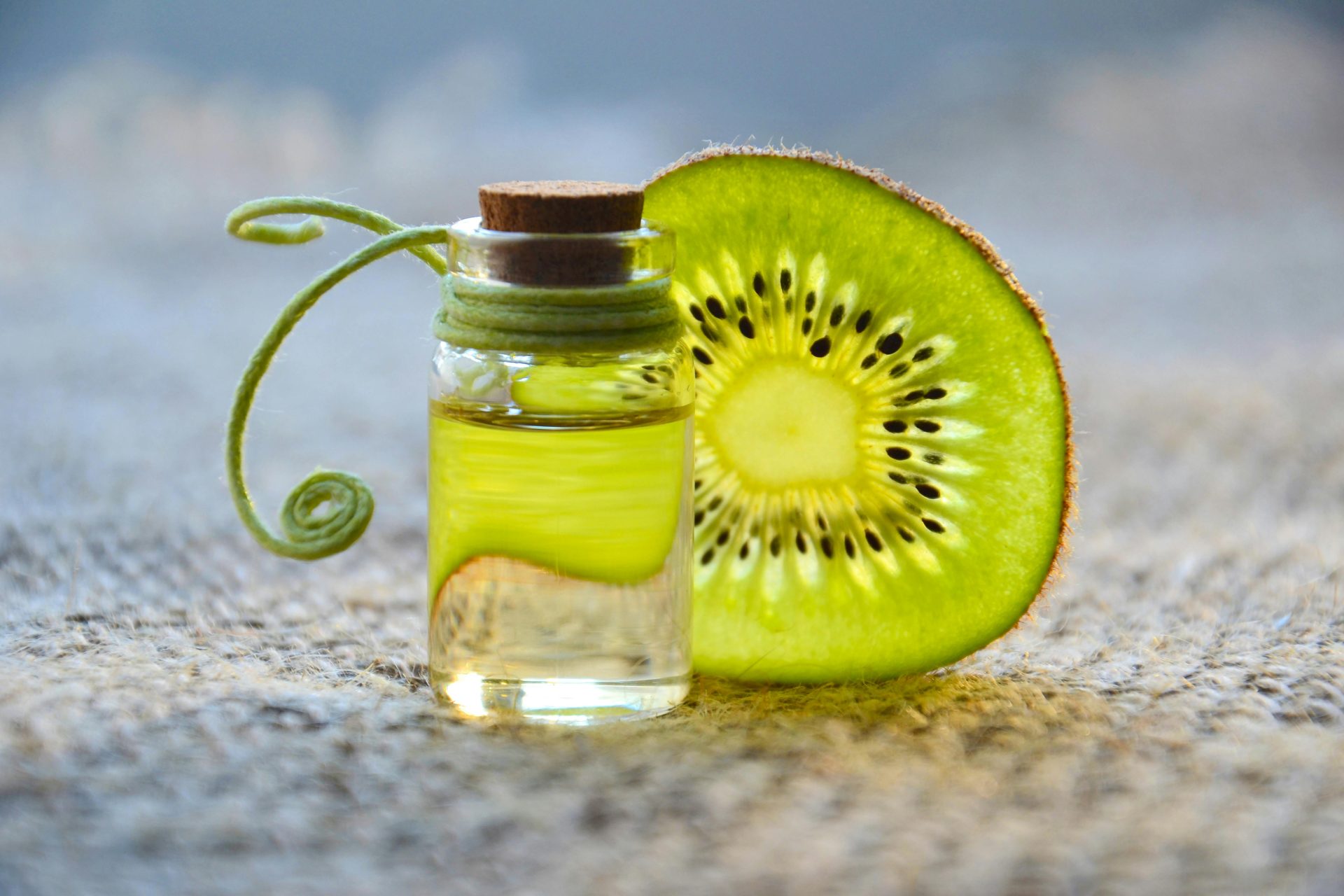 Tired of dull, tired-looking skin? The secret to a radiant complexion lies in your diet! Discover the top 10 antioxidant-rich foods that fight aging, boost collagen, and keep your skin glowing from the inside out. Read more to transform your skincare routine naturally! #AntiAgingFoods #GlowingSkin #HealthyEating #SkincareTips
 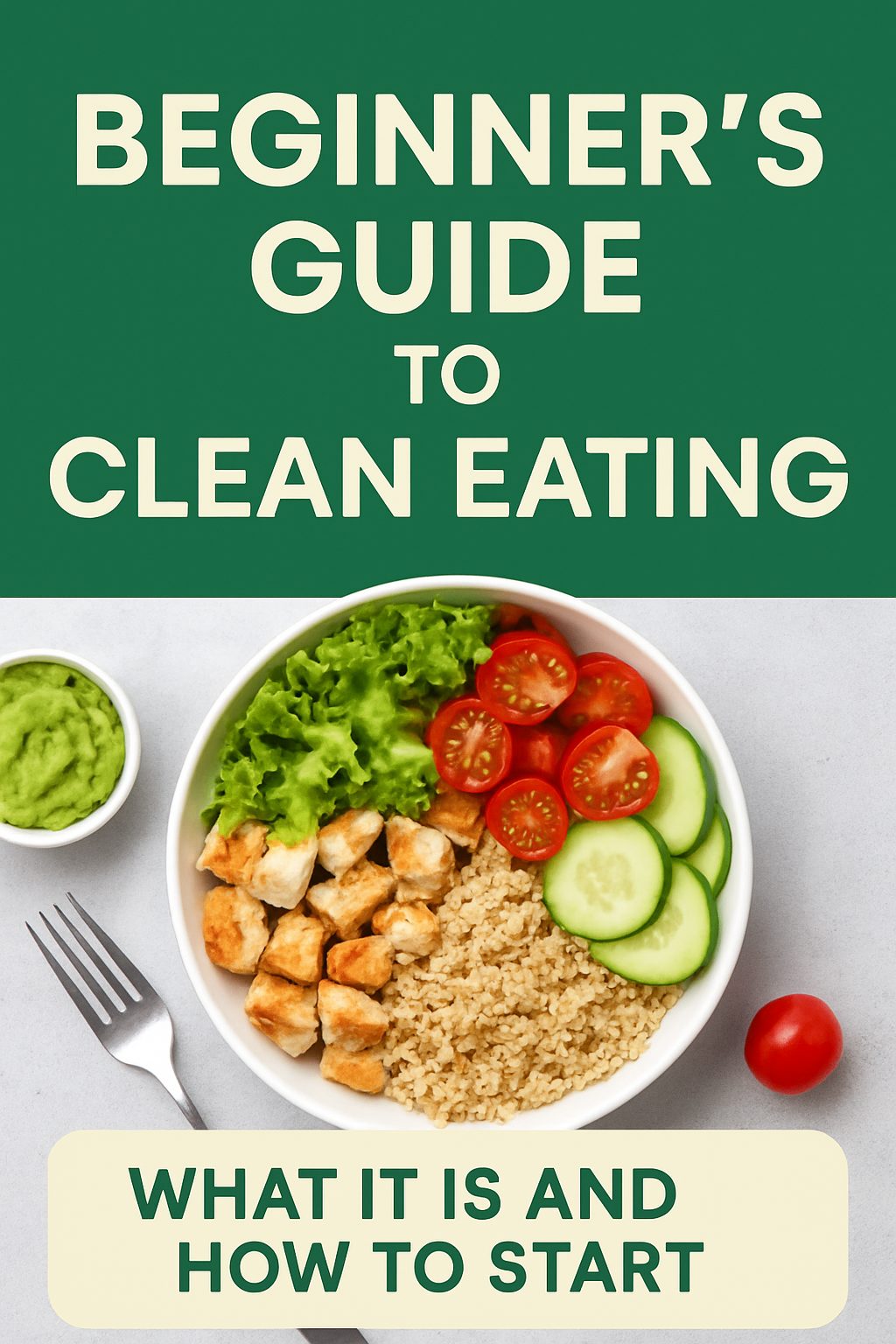 🌱✨ Thinking of starting your clean eating journey but not sure where to begin?
Let’s be honest—food is one of the biggest influences on our health, energy, and even mood. Yet in today’s fast-paced world, it’s so easy to fall into the trap of processed meals, sugary snacks, and quick-fix diets that leave us tired, bloated, and unmotivated.
But what if you could transform the way you eat without feeling restricted, overwhelmed, or constantly hungry? That’s where clean eating comes in. It’s not a fad, not a crash diet, and definitely not about giving up your favorite foods. Instead, it’s about choosing whole, fresh, and nourishing foods that give your body exactly what it needs to thrive.
In our latest post, we break down everything you need to know in a Beginner’s Guide to Clean Eating: What It Is and How to Start. You’ll discover:
✅ What clean eating really means (and what it’s not)
✅ The science-backed benefits you’ll notice in your body and mind
✅ Simple steps to start today—without burning a hole in your wallet
✅ Practical meal planning strategies you can follow even with a busy lifestyle
✅ And a free 7-Day Clean Eating Meal Plan packed with easy recipes for beginners
This guide isn’t about perfection. It’s about progress. Even small changes, like swapping sugary drinks for water or adding more fresh veggies to your meals, can spark massive improvements in how you look and feel. Imagine waking up with more energy, fewer cravings, and the confidence that comes from knowing you’re truly taking care of your body.
👉 Ready to reset your health and fuel your body the clean way?
Don’t just read about it—experience it.
✨ Read More here
#CleanEating #EatWellLiveWell #MealPlan #NutritionTips
🌱✨ Thinking of starting your clean eating journey but not sure where to begin?
Let’s be honest—food is one of the biggest influences on our health, energy, and even mood. Yet in today’s fast-paced world, it’s so easy to fall into the trap of processed meals, sugary snacks, and quick-fix diets that leave us tired, bloated, and unmotivated.
But what if you could transform the way you eat without feeling restricted, overwhelmed, or constantly hungry? That’s where clean eating comes in. It’s not a fad, not a crash diet, and definitely not about giving up your favorite foods. Instead, it’s about choosing whole, fresh, and nourishing foods that give your body exactly what it needs to thrive.
In our latest post, we break down everything you need to know in a Beginner’s Guide to Clean Eating: What It Is and How to Start. You’ll discover:
✅ What clean eating really means (and what it’s not)
✅ The science-backed benefits you’ll notice in your body and mind
✅ Simple steps to start today—without burning a hole in your wallet
✅ Practical meal planning strategies you can follow even with a busy lifestyle
✅ And a free 7-Day Clean Eating Meal Plan packed with easy recipes for beginners
This guide isn’t about perfection. It’s about progress. Even small changes, like swapping sugary drinks for water or adding more fresh veggies to your meals, can spark massive improvements in how you look and feel. Imagine waking up with more energy, fewer cravings, and the confidence that comes from knowing you’re truly taking care of your body.
👉 Ready to reset your health and fuel your body the clean way?
Don’t just read about it—experience it.
✨ Read More here
#CleanEating #EatWellLiveWell #MealPlan #NutritionTips  🥦 Struggling to Stay Consistent With Clean Eating? This Might Be Your Breakthrough… 🍲
Let’s be honest—eating clean sounds amazing in theory, but when life gets chaotic, fast food and processed snacks often win. You're not alone. The truth is, most people don't lack motivation—they just lack a system. That’s where clean eating meal prep steps in like a game-changer. 💡
Imagine opening your fridge and seeing fresh, wholesome meals already portioned and packed—ready when you are. No stress. No guessing. No guilt.
That’s the power of a clean eating routine built on simple, smart meal prep.
✅ Tired of feeling bloated or sluggish?
✅ Want to stop overspending on food delivery?
✅ Ready to get serious about your health goals?
This post will walk you through a zero-stress, beginner-friendly guide to mastering clean eating meal prep—even if you’ve failed at it before. From how to plan your week, pick the right recipes, prep in batches, and actually stick with it, this is your blueprint for real, lasting change.
You don’t need a fancy kitchen. You don’t need hours of free time. You just need a system that works.
Because when you plan your meals, you're planning your success.
And when you eat clean, you feel clean—body, mind, and soul.
🔪 Let’s prep with purpose. Eat with intention.
💪 Let’s make clean eating your new normal.
✨ Start here → Read the full guide on our blog
#CleanEatingPrep #EatCleanStayLean #MealPrepMadeEasy #NutritionGoals #SenseDiaryEats
🥦 Struggling to Stay Consistent With Clean Eating? This Might Be Your Breakthrough… 🍲
Let’s be honest—eating clean sounds amazing in theory, but when life gets chaotic, fast food and processed snacks often win. You're not alone. The truth is, most people don't lack motivation—they just lack a system. That’s where clean eating meal prep steps in like a game-changer. 💡
Imagine opening your fridge and seeing fresh, wholesome meals already portioned and packed—ready when you are. No stress. No guessing. No guilt.
That’s the power of a clean eating routine built on simple, smart meal prep.
✅ Tired of feeling bloated or sluggish?
✅ Want to stop overspending on food delivery?
✅ Ready to get serious about your health goals?
This post will walk you through a zero-stress, beginner-friendly guide to mastering clean eating meal prep—even if you’ve failed at it before. From how to plan your week, pick the right recipes, prep in batches, and actually stick with it, this is your blueprint for real, lasting change.
You don’t need a fancy kitchen. You don’t need hours of free time. You just need a system that works.
Because when you plan your meals, you're planning your success.
And when you eat clean, you feel clean—body, mind, and soul.
🔪 Let’s prep with purpose. Eat with intention.
💪 Let’s make clean eating your new normal.
✨ Start here → Read the full guide on our blog
#CleanEatingPrep #EatCleanStayLean #MealPrepMadeEasy #NutritionGoals #SenseDiaryEats  🥦✨ Tired of unhealthy snacking that leaves you feeling sluggish and guilty? You’re not alone. In a world full of sugar-laden bars and ultra-processed snacks, finding truly healthy options can feel like a full-time job. But what if eating clean didn’t have to be complicated—or boring?
Whether you're trying to shed a few pounds, stay energized through your busy day, or just treat your body better, clean eating snacks are the secret weapon you didn’t know you needed. The best part? You don’t need a fancy kitchen, tons of time, or a long grocery list.
From creamy Greek yogurt with berries, to protein-rich hummus and veggie sticks, to sweet frozen banana bites that taste like dessert—there’s something for every craving. 💚🍌
This isn’t just another list of bland “healthy” ideas. These are snacks you’ll actually look forward to eating, and they take just minutes to prep. No excuses. No guilt. Just real food that fuels your body and supports your wellness goals.
✨ Imagine opening your fridge and having nutritious, delicious options ready to grab.
✨ Imagine feeling full, satisfied, and light—without the sugar crashes or regret.
✨ Imagine clean eating becoming part of your everyday life, one simple snack at a time.
Ready to ditch the junk and nourish your body the smart way?
👉 We’ve rounded up the Top 10 Clean Eating Snacks You Can Prep in Minutes—perfect for busy moms, students, professionals, or anyone committed to living well.
📝 Tap the link to get inspired, grab the quick recipes, and start snacking with intention.
Read more ➡️ #CleanEating #HealthySnacks #NutritionTips #QuickHealthySnacks
🥦✨ Tired of unhealthy snacking that leaves you feeling sluggish and guilty? You’re not alone. In a world full of sugar-laden bars and ultra-processed snacks, finding truly healthy options can feel like a full-time job. But what if eating clean didn’t have to be complicated—or boring?
Whether you're trying to shed a few pounds, stay energized through your busy day, or just treat your body better, clean eating snacks are the secret weapon you didn’t know you needed. The best part? You don’t need a fancy kitchen, tons of time, or a long grocery list.
From creamy Greek yogurt with berries, to protein-rich hummus and veggie sticks, to sweet frozen banana bites that taste like dessert—there’s something for every craving. 💚🍌
This isn’t just another list of bland “healthy” ideas. These are snacks you’ll actually look forward to eating, and they take just minutes to prep. No excuses. No guilt. Just real food that fuels your body and supports your wellness goals.
✨ Imagine opening your fridge and having nutritious, delicious options ready to grab.
✨ Imagine feeling full, satisfied, and light—without the sugar crashes or regret.
✨ Imagine clean eating becoming part of your everyday life, one simple snack at a time.
Ready to ditch the junk and nourish your body the smart way?
👉 We’ve rounded up the Top 10 Clean Eating Snacks You Can Prep in Minutes—perfect for busy moms, students, professionals, or anyone committed to living well.
📝 Tap the link to get inspired, grab the quick recipes, and start snacking with intention.
Read more ➡️ #CleanEating #HealthySnacks #NutritionTips #QuickHealthySnacks  🌞 What If Your Morning Drink Could Fire Up Your Metabolism—Before Breakfast?
Most of us roll out of bed and head straight for coffee, hoping it jolts us into productivity. But here’s a powerful truth you might be overlooking: what you drink first thing in the morning has the power to awaken more than just your senses—it can spark your metabolism, support fat burning, and help you feel lighter and more energized.
If you’ve been stuck in a cycle of slow mornings, low energy, or stubborn weight gain, it might be time to rethink what’s in your cup. Nature already has the answer.
From a soothing cup of green tea with lemon and cinnamon, to the bold detox power of apple cider vinegar and ginger, to the gentle Ayurvedic magic of jeera water—the right drink can gently nudge your body into action, flushing out toxins, balancing blood sugar, and boosting your metabolic rhythm before your day truly begins.
These aren’t trends or fads—they’re time-tested, research-backed beverages that are easy to prepare and deeply nourishing.
💡 Imagine starting your day feeling refreshed, focused, and one step closer to your health goals—without expensive supplements or complicated routines.
Whether you're looking to curb cravings, manage your weight, reduce bloating, or simply feel better from the inside out, your solution might be in your glass, not your plate.
Ready to transform your mornings into a healing ritual?
👇 Tap the link to discover the Top 5 Best Morning Drinks to Naturally Boost Your Metabolism—complete with simple recipes, science-backed benefits, and how to pick the perfect one for your lifestyle.
✨ Your healthiest mornings are just one sip away.
👉 Read More >> #CleanLiving #HealthyMorning #MetabolismBoost #MorningRitual
🌞 What If Your Morning Drink Could Fire Up Your Metabolism—Before Breakfast?
Most of us roll out of bed and head straight for coffee, hoping it jolts us into productivity. But here’s a powerful truth you might be overlooking: what you drink first thing in the morning has the power to awaken more than just your senses—it can spark your metabolism, support fat burning, and help you feel lighter and more energized.
If you’ve been stuck in a cycle of slow mornings, low energy, or stubborn weight gain, it might be time to rethink what’s in your cup. Nature already has the answer.
From a soothing cup of green tea with lemon and cinnamon, to the bold detox power of apple cider vinegar and ginger, to the gentle Ayurvedic magic of jeera water—the right drink can gently nudge your body into action, flushing out toxins, balancing blood sugar, and boosting your metabolic rhythm before your day truly begins.
These aren’t trends or fads—they’re time-tested, research-backed beverages that are easy to prepare and deeply nourishing.
💡 Imagine starting your day feeling refreshed, focused, and one step closer to your health goals—without expensive supplements or complicated routines.
Whether you're looking to curb cravings, manage your weight, reduce bloating, or simply feel better from the inside out, your solution might be in your glass, not your plate.
Ready to transform your mornings into a healing ritual?
👇 Tap the link to discover the Top 5 Best Morning Drinks to Naturally Boost Your Metabolism—complete with simple recipes, science-backed benefits, and how to pick the perfect one for your lifestyle.
✨ Your healthiest mornings are just one sip away.
👉 Read More >> #CleanLiving #HealthyMorning #MetabolismBoost #MorningRitual  🌞 Feeling stuck in the cycle of stress, busyness, or emotional burnout?
You’re not alone — but here’s the truth: joy doesn’t have to wait for a perfect life, a big win, or someday far away.
Joy can be found — and built — right in the middle of ordinary days. And yes, *that includes today.
A lot of people wake up feeling like they’re just surviving — moving from one task to another without a real sense of peace or fulfillment. But imagine starting each day with a heart full of gratitude, connecting deeply with others, moving your body with energy, and feeding your mind with hope.
✨ What if you could create moments of joy on purpose, every single day?
That’s exactly what I share in my latest blog post: **“5 Ways to Cultivate Joy Every Day – A Step-by-Step Guide.”**
Whether you're feeling a little lost, emotionally exhausted, or simply craving more light in your daily routine — this post will give you real, practical steps you can take to turn things around.
Inside, you’ll discover:
✅ How to train your brain to see the good (even on hard days)
✅ Why movement is more than exercise — it's medicine for your joy
✅ Simple ways to connect deeply with others and feel less alone
✅ How to filter out negativity and feed your mind what it really needs
✅ And the underrated power of being present, even in small moments
👉 If you’re ready to stop waiting for happiness and start creating it — one choice, one habit, one joyful moment at a time…
📖 Click the link to read the full post and start your journey to a more joyful life today.
Because joy isn’t something you find. It’s something you build. #EmotionalWellness #HappyLiving #JoyChallenge #SenseDiary
🌞 Feeling stuck in the cycle of stress, busyness, or emotional burnout?
You’re not alone — but here’s the truth: joy doesn’t have to wait for a perfect life, a big win, or someday far away.
Joy can be found — and built — right in the middle of ordinary days. And yes, *that includes today.
A lot of people wake up feeling like they’re just surviving — moving from one task to another without a real sense of peace or fulfillment. But imagine starting each day with a heart full of gratitude, connecting deeply with others, moving your body with energy, and feeding your mind with hope.
✨ What if you could create moments of joy on purpose, every single day?
That’s exactly what I share in my latest blog post: **“5 Ways to Cultivate Joy Every Day – A Step-by-Step Guide.”**
Whether you're feeling a little lost, emotionally exhausted, or simply craving more light in your daily routine — this post will give you real, practical steps you can take to turn things around.
Inside, you’ll discover:
✅ How to train your brain to see the good (even on hard days)
✅ Why movement is more than exercise — it's medicine for your joy
✅ Simple ways to connect deeply with others and feel less alone
✅ How to filter out negativity and feed your mind what it really needs
✅ And the underrated power of being present, even in small moments
👉 If you’re ready to stop waiting for happiness and start creating it — one choice, one habit, one joyful moment at a time…
📖 Click the link to read the full post and start your journey to a more joyful life today.
Because joy isn’t something you find. It’s something you build. #EmotionalWellness #HappyLiving #JoyChallenge #SenseDiary 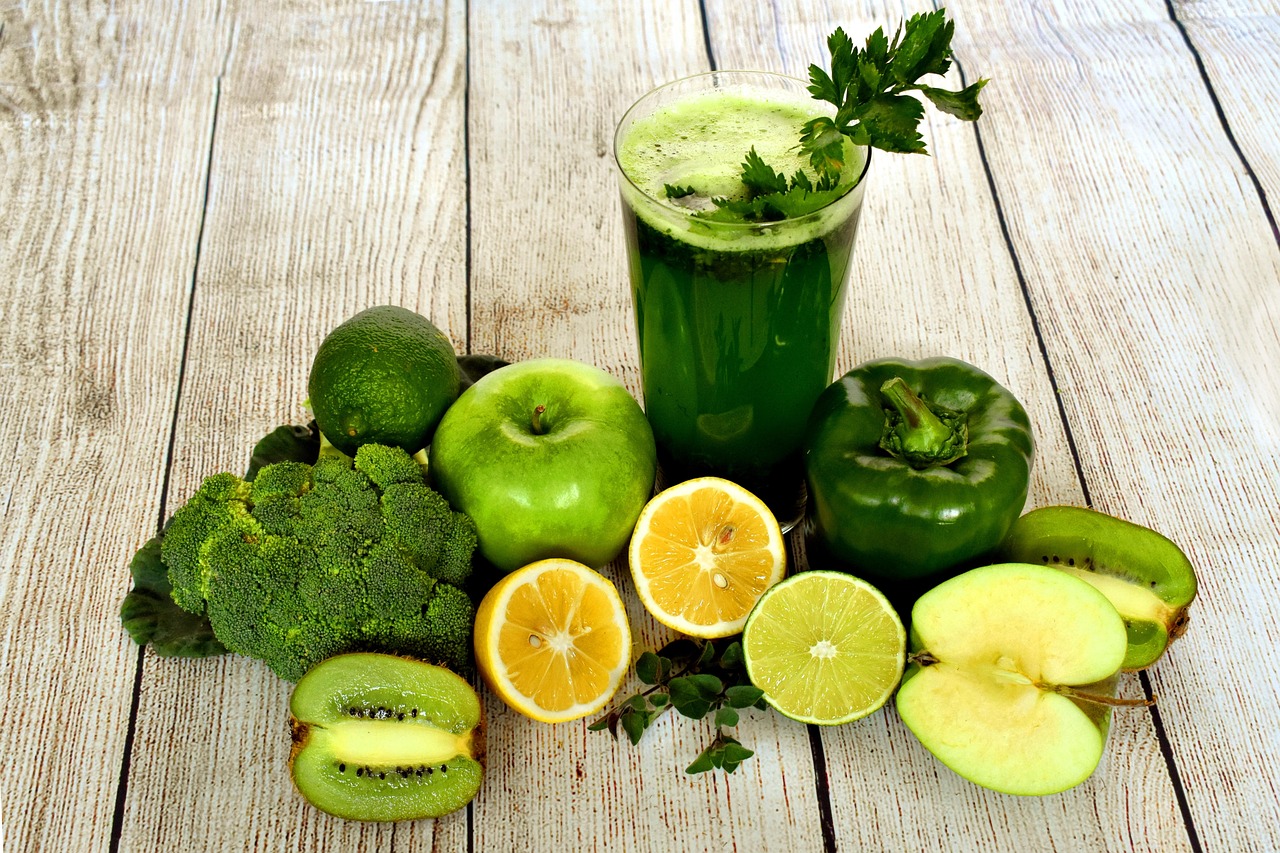 Ever wonder why some people seem to burn fat effortlessly while others struggle despite eating right and working out? The missing link could be something powerful, natural, and often overlooked: antioxidants.
Your body is a complex engine. Every day, it battles free radicals—those nasty molecules that speed up aging, slow down your metabolism, and sabotage your fat-burning potential. The good news? Antioxidants are your built-in defense system. They help reduce inflammation, optimize cell function, and supercharge your metabolism. And when your metabolism is firing on all cylinders, fat doesn’t stand a chance.
But here’s where it gets exciting: antioxidants don’t just come from supplements. They’re hiding in your favorite colorful fruits, leafy greens, spices like turmeric, and even in that cup of green tea you sip on! Adding these nutrient-rich foods to your diet can be the game-changer you've been searching for.
Imagine this—waking up with more energy, fewer cravings, and the scale finally starting to move in the right direction. That’s what happens when your body is fueled by the right kind of foods. You’re not just eating… you’re activating your body’s natural ability to burn fat—smarter, not harder.
If you’ve hit a plateau in your weight loss journey or you’re tired of diets that drain your energy instead of boosting it, it’s time to turn your attention to what truly nourishes your body from the inside out.
💡 Want to know which specific antioxidants work best for burning fat?
💚 Curious about easy ways to include them in your daily meals?
🚀 Ready to finally take control of your health and feel amazing doing it?
👉 Read more and unlock the fat-burning potential that’s already inside you.
Your transformation starts with knowledge—and one small change at a time. Let’s go. 🌱🔥 #AntioxidantPower #FatBurningFoods #HealthyMetabolism #WeightLossTips
Ever wonder why some people seem to burn fat effortlessly while others struggle despite eating right and working out? The missing link could be something powerful, natural, and often overlooked: antioxidants.
Your body is a complex engine. Every day, it battles free radicals—those nasty molecules that speed up aging, slow down your metabolism, and sabotage your fat-burning potential. The good news? Antioxidants are your built-in defense system. They help reduce inflammation, optimize cell function, and supercharge your metabolism. And when your metabolism is firing on all cylinders, fat doesn’t stand a chance.
But here’s where it gets exciting: antioxidants don’t just come from supplements. They’re hiding in your favorite colorful fruits, leafy greens, spices like turmeric, and even in that cup of green tea you sip on! Adding these nutrient-rich foods to your diet can be the game-changer you've been searching for.
Imagine this—waking up with more energy, fewer cravings, and the scale finally starting to move in the right direction. That’s what happens when your body is fueled by the right kind of foods. You’re not just eating… you’re activating your body’s natural ability to burn fat—smarter, not harder.
If you’ve hit a plateau in your weight loss journey or you’re tired of diets that drain your energy instead of boosting it, it’s time to turn your attention to what truly nourishes your body from the inside out.
💡 Want to know which specific antioxidants work best for burning fat?
💚 Curious about easy ways to include them in your daily meals?
🚀 Ready to finally take control of your health and feel amazing doing it?
👉 Read more and unlock the fat-burning potential that’s already inside you.
Your transformation starts with knowledge—and one small change at a time. Let’s go. 🌱🔥 #AntioxidantPower #FatBurningFoods #HealthyMetabolism #WeightLossTips  A well-crafted morning routine can set a positive tone for the entire day, helping you manage stress and promote mental clarity. From mindfulness to movement, explore how to build a routine that supports your mental health and energizes you for whatever the day brings. #MentalHealthMatters #MorningRoutineMagic #StartYourDayRight #WellnessJourney