Tuesday, August 27, 2024

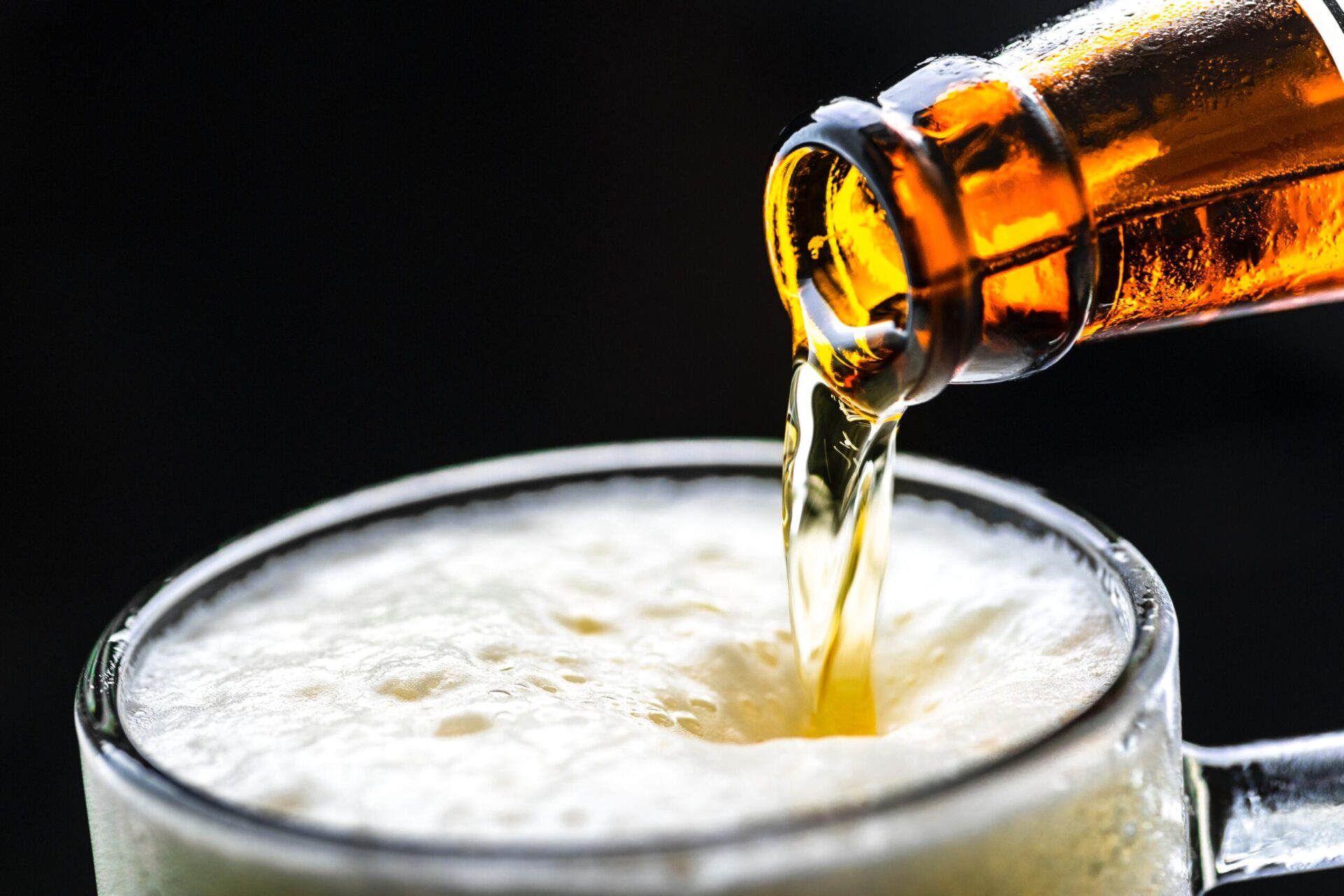
What You Need To Know About Alcohol And Your Fitness

Many people are concerned about the health risks of alcohol. While you don’t need to avoid alcohol entirely if you’re healthy, drinking in moderation is essential. Consuming alcohol every day—or even most days—can lead to serious health consequences over time.

One of the most common issues is fatty liver disease, which occurs in 90% of people who consume 1.5 to 2 ounces of alcohol daily. If left unchecked, fatty liver can progress to liver fibrosis and eventually cirrhosis, where healthy liver tissue is replaced by scar tissue.

Here’s what you need to know about alcohol consumption and your health.


Is Alcohol Really Good for You?

You may have seen studies suggesting that moderate drinking can offer health benefits, like lower heart disease risks and longer lifespans. While the research isn’t conclusive, drinking small amounts of alcohol may increase good cholesterol levels and prevent blood clots.


5 Surprising Facts About Alcohol and Health

  1. Moderation is Key
    Light to moderate alcohol intake can provide some benefits. However, regularly drinking more than a couple of ounces can harm your health.

  2. It Can Interfere with Medication
    Mixing alcohol with medication can create dangerous interactions. A recent study found that more than 40% of people drink alcohol while taking medications that may interact negatively.

  3. It Weakens the Immune System
    Daily alcohol consumption makes your body more prone to infections, such as colds and the flu, by weakening your immune system.

  4. Alcohol Affects the Heart and Pancreas
    Heavy drinking can cause cardiomyopathy (a weakened heart), arrhythmias (irregular heartbeats), and pancreatitis (inflammation of the pancreas).

  5. It Raises Cancer Risk
    Excessive alcohol use increases the risk of several cancers, including mouth, throat, liver, and breast cancer.


Alcohol and Sleep: Why It May Disrupt Your Rest

While a glass of wine or beer before bed may help you fall asleep faster, it can disrupt your sleep quality. As alcohol metabolizes, it causes fragmented sleep during the second half of the night, leaving you feeling tired the next day. Limiting alcohol before bedtime can improve your overall sleep.


Drinking and Diabetes: What to Know

If you have diabetes, moderate drinking may still be safe. However, it’s crucial to consult your doctor since alcohol can affect blood sugar levels and interact with medications.


Alcohol and Irregular Heartbeat

Even moderate drinking—just one to three drinks per day—can increase your risk of atrial fibrillation (AFib), a common heart rhythm disorder. AFib can cause dizziness, fatigue, shortness of breath, and chest pain, potentially leading to severe complications if left untreated.


Can People with Epilepsy Drink Alcohol Safely?

For people with epilepsy, the stakes are higher. The good news is that studies show occasional or moderate drinking doesn’t significantly increase seizure risk. However, it’s still important to monitor your alcohol intake and consult your doctor for personalized advice.


Final Thoughts

Moderation is essential when it comes to alcohol. Enjoying a drink occasionally can fit into a healthy lifestyle, but frequent drinking can damage vital organs, disrupt sleep, weaken the immune system, and increase the risk of serious health conditions. Always be mindful of how much you drink—and if you’re on medication or managing chronic health conditions, consult your healthcare provider.

Stay informed and drink responsibly to protect your health!

Read More Premium Contents
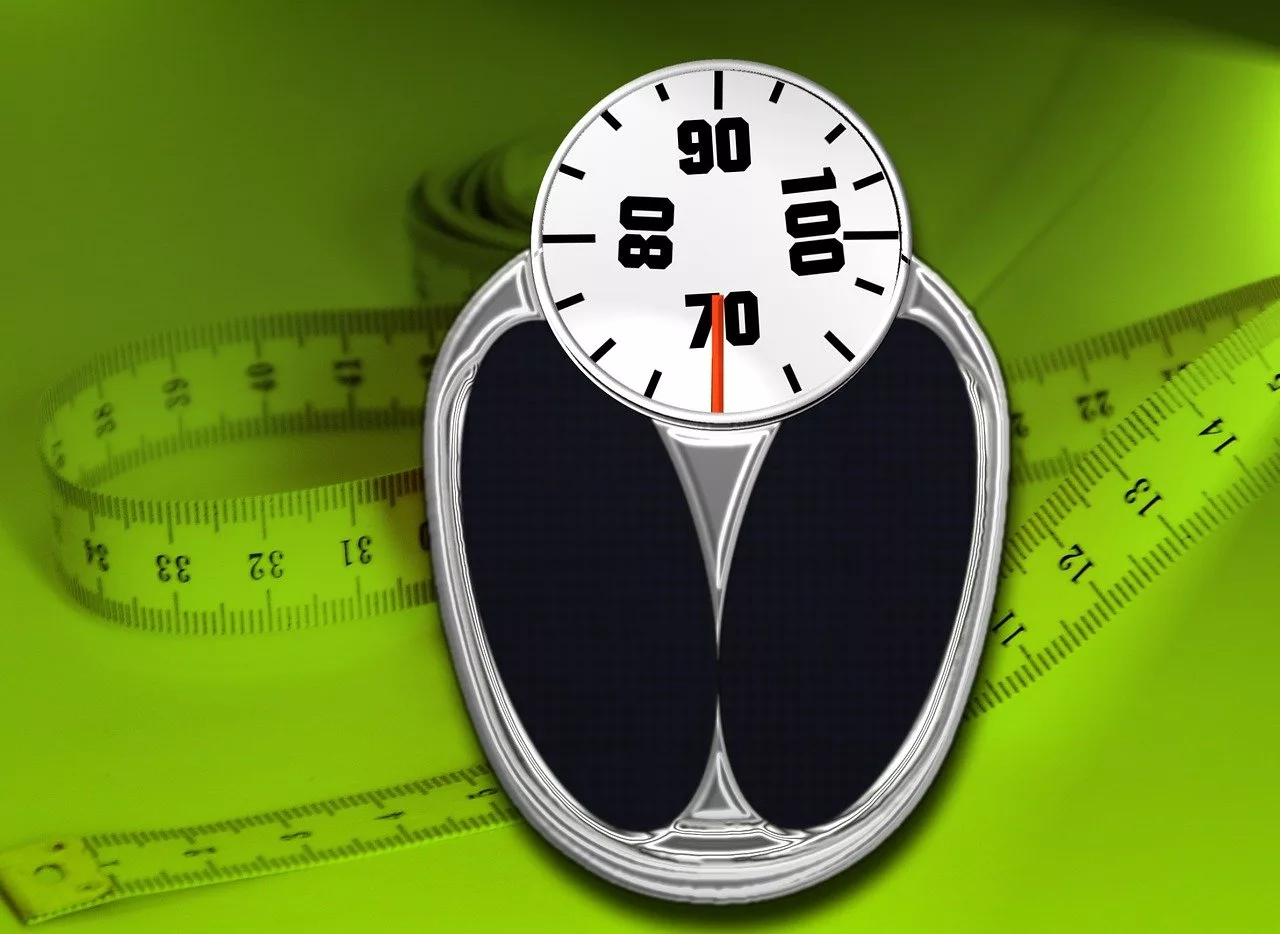
Thursday, August 22, 2024

The Science of Rapid Weight Loss: What Really Works

In a world where quick solutions are often desired, rapid weight loss has become a common goal for many. While it’s essential to focus on long-term health, there are research-backed methods that can help accelerate your weight loss journey. This post explores the science behind rapid weight loss and outlines strategies that are both effective and sustainable.


Understanding Weight Loss: The Basics

Weight loss happens when you burn more calories than you consume, creating a calorie deficit. This forces your body to tap into stored fat for energy. Achieving rapid weight loss requires maximizing this deficit through a combination of dietary adjustments, lifestyle habits, and strategic exercise. Let’s explore the science-backed methods to help you reach your goals quickly and safely.


Proven Strategies for Rapid Weight Loss

1. Calorie Deficit: The Foundation of Weight Loss

To lose one pound of fat, you need a calorie deficit of about 3,500 calories. For rapid weight loss, aim for a daily calorie deficit of 500 to 1,000 calories. Tools like mobile apps or food journals can help you track your intake and monitor progress, ensuring you stay on target.

Tip: Gradual and consistent tracking keeps you accountable and helps identify patterns that may hinder your progress.


2. High-Intensity Interval Training (HIIT)

Exercise plays a critical role in rapid weight loss, and HIIT is one of the most efficient methods. HIIT involves short bursts of intense exercise followed by rest or low-intensity recovery. Research shows that HIIT increases fat loss, boosts metabolism, and burns more calories in less time compared to steady-state cardio.

Example HIIT Routine:
Try alternating between 30 seconds of sprinting and 1 minute of walking for 20 minutes. This can maximize calorie burn both during and after your workout.


3. Incorporate a Protein-Rich Diet

Protein helps in multiple ways: it promotes satiety, preserves lean muscle mass, and increases calorie expenditure due to its thermic effect. Including lean sources of protein such as chicken, fish, tofu, and legumes can reduce appetite and help you stay within your calorie limits.

Pro Tip: Aim to include protein with every meal to keep hunger at bay and fuel your metabolism effectively.


4. Intermittent Fasting (IF)

Intermittent fasting has gained popularity as a powerful weight loss tool. It involves alternating periods of eating and fasting, such as the 16/8 method (16 hours of fasting, 8 hours of eating). IF enhances fat-burning, improves insulin sensitivity, and can help control calorie intake naturally.

Consider This: Start with a 12-hour fast and gradually increase the fasting window as your body adjusts to the routine.


5. Practice Mindful Eating

Mindful eating focuses on being fully present during meals, savoring every bite, and recognizing hunger cues. Research shows that this practice reduces overeating, emotional eating, and binge eating—factors that can hinder rapid weight loss.

How to Practice: Eat without distractions (like your phone or TV) and take the time to appreciate the flavors and textures of your food.


6. Prioritize Sleep for Better Results

Sleep is often overlooked but plays a vital role in weight management. Inadequate sleep disrupts hunger-regulating hormones and increases cravings for unhealthy foods. Aim for 7-9 hours of quality sleep per night to support your body’s metabolism and recovery.

Actionable Tip: Create a bedtime routine, such as reading or meditation, to help you fall asleep faster and improve sleep quality.


7. Stay Hydrated Throughout the Day

Proper hydration is essential for weight loss. Drinking water before meals can help reduce appetite and calorie consumption. Additionally, water boosts metabolism and supports overall health.

Quick Hack: Start your day with a glass of water to kickstart your metabolism, and drink a glass before each meal to prevent overeating.


8. Choose Nutrient-Dense Foods

Nutrient-dense foods provide essential vitamins and minerals without excess calories. Fill your plate with fruits, vegetables, lean proteins, and whole grains to feel satisfied and energized while maintaining a calorie deficit.

Meal Idea: A salad with grilled chicken, quinoa, and mixed greens offers protein, fiber, and essential nutrients in a low-calorie meal.


Final Thoughts

Rapid weight loss is achievable when you combine a calorie deficit with efficient exercise, mindful eating, and healthy lifestyle habits. While these strategies can accelerate results, it’s crucial to maintain a focus on long-term health and sustainability.

Before starting any rapid weight loss plan, consult with a healthcare professional or dietitian to ensure the approach is safe for your needs and goals. Remember, the ultimate goal is not just to lose weight quickly but to adopt habits that support lifelong wellness.


By incorporating these science-backed strategies, you can achieve your weight loss goals faster while ensuring you maintain good health along the way. Stay consistent, be patient with yourself, and celebrate every step forward!

Recommended Post: How to Lose Weight Fast — 3 Simple and Proven Ways

#LoseWeight #weightloss #WeightLossTips Premium Contents

Saturday, August 17, 2024

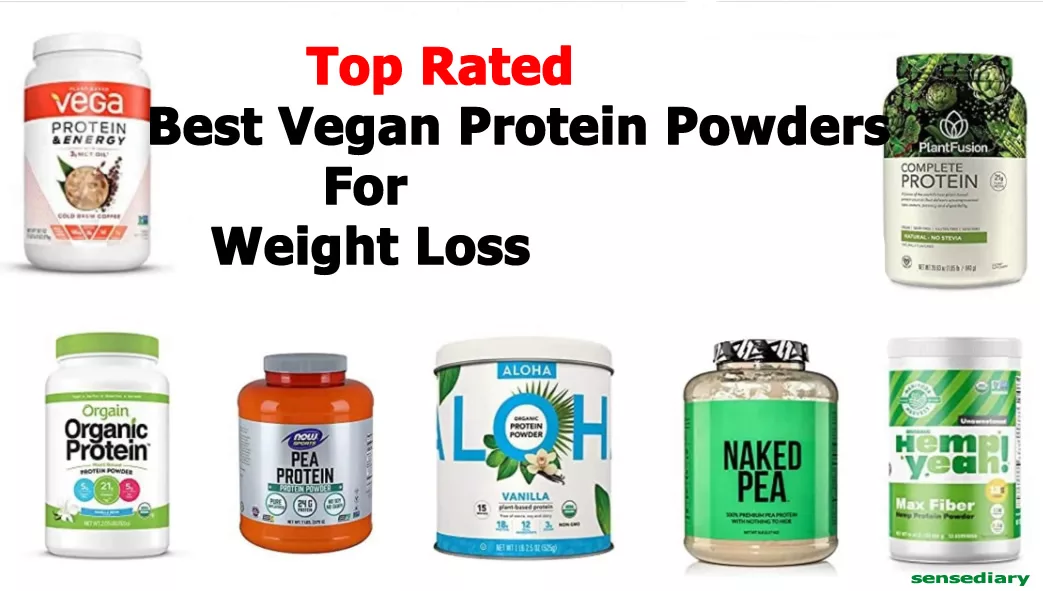
Best Vegan Protein Powder For Weight Loss

Losing weight can be challenging, but it's a rewarding journey that promotes health and well-being. While regular exercise and a healthy diet are essential, adding vegan protein powder to your routine can supercharge your efforts. Not only do these plant-based powders provide high-quality protein, but they also cater to individuals with dietary restrictions or those following a vegan lifestyle.

In this article, we’ll explore the best vegan protein powders for weight loss, why protein is crucial for shedding pounds, and how to seamlessly incorporate these powders into your diet. Whether you’re fully plant-based or just curious about vegan options, this guide will help you make an informed choice.


Why Protein is Essential for Weight Loss

Protein plays a key role in weight management. As you lose weight, maintaining muscle mass becomes crucial since muscle burns more calories than fat. Without adequate protein, your body may break down muscle for energy, slowing your metabolism and hindering progress. Consuming enough protein helps you:

  • Preserve muscle mass during weight loss.
  • Boost metabolism by supporting lean muscle.
  • Stay fuller for longer since protein takes more time to digest.

A diet rich in protein also reduces the chances of overeating, promoting sustained calorie control. While the general recommendation is 0.36 grams of protein per pound of body weight per day, individuals aiming for weight loss or muscle gain may need more.


Why Choose Vegan Protein Powder?

Vegan protein powders offer numerous benefits, especially for those aiming for weight loss. Here's why they are a great choice:

  • Plant-based: Made from sources like pea, hemp, rice, or soy, vegan powders are free of animal products, making them ideal for vegans and vegetarians.
  • Complete protein: Many contain all essential amino acids, ensuring your body gets the building blocks it needs.
  • Rich in nutrients: Many powders come with added vitamins, minerals, and fiber for enhanced health benefits.
  • Low in fat and calories: Ideal for weight loss, they help maintain a calorie deficit without sacrificing nutrition.
  • Versatile: Vegan protein powders can be blended into smoothies, used in recipes, or enjoyed as a quick snack or meal replacement.

What to Look for in a Vegan Protein Powder for Weight Loss

When shopping for vegan protein powders, it’s important to consider these factors:

  1. High protein content: Look for at least 20 grams per serving to ensure adequate intake.
  2. Low in calories: Aim for powders that support your calorie goals while keeping you full.
  3. Low sugar: Avoid powders with added sugars that could derail your weight loss efforts.
  4. Fiber-rich: Choose options with fiber to further enhance satiety.
  5. Nutrient-packed: Powders with added vitamins and minerals contribute to overall well-being.
  6. Taste and texture: Enjoyable flavors and smooth texture make it easier to stay consistent.
  7. Reputable brand: Choose well-reviewed products to ensure quality and safety.

How to Add Vegan Protein Powder to Your Diet

Incorporating vegan protein powder into your weight loss plan is easy. Here are a few ideas:

  • Smoothies: Blend with fruits, greens, and nut butter for a nutrient-rich meal or snack.
  • Baking: Use in recipes like protein pancakes or muffins for a healthy twist.
  • Yogurt: Stir it into dairy-free yogurt for a protein boost.
  • Oatmeal: Add a scoop to your morning oats for a filling breakfast.
  • Homemade bars: Create energy balls or protein bars for a quick on-the-go snack.

Top 5 Vegan Protein Powders for Weight Loss

  1. Organifi Complete Protein – This plant-based protein powder combines vitamins, minerals, and digestive enzymes to support weight management. It also offers a complete meal replacement option, making it useful for calorie control.

  2. Ora Organic – Known for its clean, plant-based nutrition, Ora Organic’s vegan protein powders use sustainably sourced ingredients and avoid artificial additives. They provide a 20% lifetime affiliate commission, making it an excellent option for monetization.

  3. Ground-Based Nutrition – Their plant-based protein powders, including keto-friendly options, focus on whole foods and organic ingredients. With an average order size of $80, promoting this product can yield significant returns.

  4. Garden of Life Raw Organic Protein – Packed with probiotics and enzymes for digestion.
  5. Naked Pea Protein Powder – A simple, unflavored option with just one ingredient: pea protein.

FAQs About Vegan Protein Powder and Weight Loss

1. Is vegan protein powder effective for weight loss?
Yes, it helps reduce appetite, preserves muscle mass, and supports metabolism, all of which are essential for weight loss.

2. Can vegan protein powder cause weight gain?
Not inherently. However, powders with added sugars or high-calorie ingredients can lead to weight gain if consumed in excess.

3. How much vegan protein powder should I consume daily?
It varies by individual, but most people benefit from at least 20 grams per serving. Consult with a nutritionist to determine your specific needs.

4. Can it replace meals?
While it’s convenient, relying solely on protein powder as a meal replacement isn't recommended. Instead, use it to complement a balanced diet.

5. Are there any side effects?
Most people tolerate vegan protein powder well. However, some may experience gas or bloating. If you notice digestive discomfort, consider switching to a different brand or consulting a healthcare professional.


Final Thoughts

Vegan protein powders are a fantastic tool for those looking to lose weight while maintaining a plant-based lifestyle. High in protein, low in calories, and packed with essential nutrients, they help you stay full, build muscle, and promote fat loss.

When selecting a vegan protein powder, be sure to consider your personal taste preferences, ingredient quality, and nutritional goals. Incorporating it into your diet through smoothies, snacks, and baked goods can make your weight loss journey easier and more enjoyable.

Ready to kick-start your transformation? Explore Top Rated Vegan Protein Powders — Customers Reviews and find the perfect fit for your needs today!

Recommended Post: How To Lose Weight Fast — 3 Simple and Proven Ways

Do you enjoy this article? Please share with your audience.

#veganproteinpowder #weightloss Top Rated Vegan Protein Powders — Customers Reviews

Monday, August 12, 2024

How to Make Your Skin Glow and Healthy

Your skin is more than just a protective barrier—it’s the face you show to the world. When it’s healthy, it radiates beauty. Achieving great skin comes down to the choices you make daily—what you eat, how you feel, and the environment you expose yourself to. Here are expert tips to keep your skin glowing and vibrant year-round.


1. Watch What You Eat

What you eat plays a significant role in your skin's appearance. A diet rich in vitamin C, fruits, vegetables, and fish can help maintain glowing skin. Antioxidant-rich foods reduce signs of aging, while lowering fats and simple carbs can improve your complexion.

Pro Tip: Opt for whole grains, healthy proteins, and complex carbs like oats or whole wheat pasta to avoid breakouts. Limiting dairy may also reduce acne.


2. Load Up on Skin-Boosting Vitamins

Incorporate vitamins C and E into your diet to protect your skin from damage and reverse signs of aging. These vitamins, often found in anti-aging creams, work wonders when consumed through food. Additionally, selenium helps prevent sun-induced skin damage and improves skin elasticity.


3. Exercise for Better Circulation

Regular exercise improves blood flow, delivering oxygen and nutrients to your skin while boosting collagen production for smoother, wrinkle-free skin. After workouts, wash your face to prevent clogged pores, especially if wearing tight headbands that trap sweat.


4. Prioritize Beauty Sleep

A solid 7-8 hours of sleep each night allows your body to repair itself and keeps skin refreshed. Lack of sleep can lead to dark circles, puffiness, and pale skin. Avoid sleeping on your stomach, as pressing your face against the pillow can cause wrinkles over time.


5. Prevent Melasma and Dark Spots

Melasma, or dark facial spots, is common during pregnancy or while taking birth control. It results from increased melanin production. Minimize pigment changes by applying broad-spectrum sunscreen daily and avoiding prolonged sun exposure. Chemical peels or topical treatments such as hydroquinone, retinoids, or kojic acid can help lighten stubborn spots.


6. Protect Your Skin from Sun Damage

Sun exposure causes up to 92% of skin damage, including premature wrinkles and an increased risk of skin cancer. Use a sunscreen with SPF 30 or higher that contains zinc oxide or titanium dioxide. Wear protective clothing, such as wide-brimmed hats, and stay out of the sun between 10 a.m. and 2 p.m.


7. Take Care of Aging Skin

As we age, collagen production decreases, and skin loses elasticity. To combat these changes:

  • Moisturize regularly
  • Exfoliate to remove dead skin cells
  • Use mild, non-drying cleansers
  • Consider retinoids to reduce fine lines

Most importantly: Stay out of the sun to prevent further damage.


8. Coffee: Drink It or Apply It?

While caffeine can dehydrate your skin if consumed in excess, research shows that topical caffeine may help reverse sun damage and reduce the risk of skin cancer. Studies are ongoing to confirm its protective benefits for human skin.


9. Limit Alcohol Consumption

Alcohol dehydrates the skin, leading to dryness and redness. It also dilates blood vessels, which can cause permanent redness over time. Additionally, alcohol, especially red wine, can trigger rosacea flare-ups.


10. Quit Smoking for Healthier Skin

Smoking is second only to sun exposure in accelerating wrinkles and premature aging. It decreases circulation, breaking down collagen and leading to deep lines and dry skin. Quitting smoking won’t reverse the damage, but it will prevent further deterioration.


11. Cleanse Your Skin Daily

Your skin faces pollutants like smog, exhaust, and smoke daily. Cleanse it each night with gentle scrubs and toners to remove dirt and dead cells. After washing, apply a moisturizer and retinoid cream for overnight repair. Even oily skin benefits from oil-free moisturizers.


12. Winter Skin Care Tips

Cold weather and indoor heating can dry out your skin, making conditions like eczema worse. Combat dryness by:

  • Using a humidifier at home
  • Applying moisturizer throughout the day
  • Drinking plenty of water

Remember to wear sunscreen, even during winter.


13. Summer Skin Care Essentials

If you want a tan, use a sunless tanner or bronzer for a safer glow. However, these products don't offer sun protection, so always apply a waterproof, broad-spectrum sunscreen. After swimming, rinse off chlorine to prevent skin irritation.


14. Travel-Friendly Skin Care Tips

Airplane travel can dry out your skin due to low humidity levels. Stay hydrated by drinking water and avoiding alcohol or coffee. Use moisturizer before, during, and after flights, and skip makeup to prevent clogged pores. Keep a travel-size lotion handy to reapply as needed.


15. Prepare Your Skin for Different Lighting

Lighting affects how your skin appears. Fluorescent lighting can make your skin look red or yellow, while softer lighting hides imperfections. Test your makeup in different lighting conditions to ensure you look your best, day or night.


Final Thoughts: Glow from the Inside Out

Healthy skin isn’t just about what you apply on the outside—it’s about making smart lifestyle choices that reflect on your skin. With the right nutrition, exercise, sleep, and skincare routine, you can achieve a glowing complexion that shines in every season.

Recommended Post: Cultivate a Positive Mindset— Daily Practices for Inspiration and Gratitude

#skincare Premium Contents

Wednesday, August 7, 2024

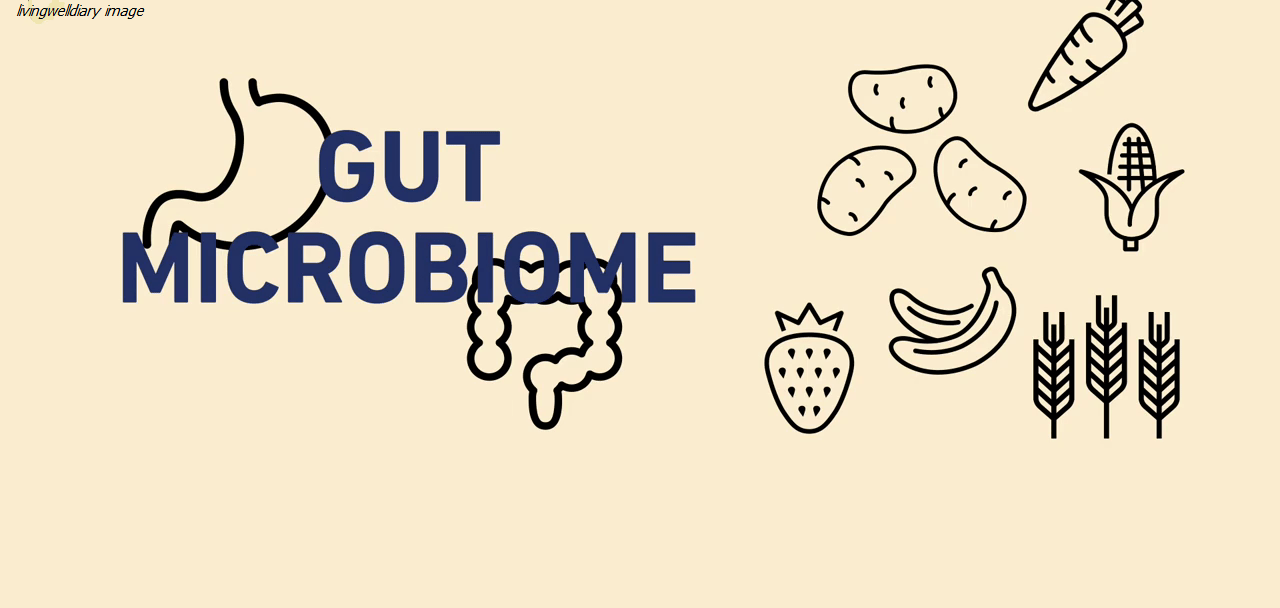
How Microbiome in Your Gut Affects Your Whole Body


Your body is home to trillions of bacteria—roughly the same number as your body’s cells. Most of these bacteria are beneficial, playing a crucial role in digestion, physical health, and even mental well-being. Let’s dive deeper into the importance of these “good” bacteria and how they impact various aspects of your health.


The Gut Microbiome: Your Body’s Bacterial Hub

The gut microbiome refers to the ecosystem of bacteria living in your digestive tract. These bacteria break down food and convert it into essential nutrients for your body. Interestingly, they stop growing when food is scarce, maintaining just the right amount to keep things balanced.


Maintaining Equilibrium: Fighting the Good Fight

Beyond digestion, good bacteria in the gut also keep harmful bacteria in check. They multiply frequently, leaving little room for bad bacteria to thrive. A healthy gut maintains a state of equilibrium—a balance that promotes overall well-being.


What Happens When the Balance is Off?

An overgrowth of harmful bacteria can lead to digestive disorders, such as:

  • Irritable Bowel Syndrome (IBS)
  • Ulcerative Colitis
  • Crohn’s Disease

Researchers are actively exploring new treatments targeting the gut microbiome to manage these conditions.


Gut Bacteria and Heart Health

Some gut bacteria are linked to heart disease. When you consume foods like eggs or red meat, specific bacteria produce TMAO (trimethylamine-N-oxide), a chemical your liver processes. High TMAO levels can contribute to cholesterol buildup in your arteries.
Scientists are investigating DMB (found in olive oil and grapeseed oil) as a natural way to reduce TMAO production and lower cardiovascular risk.


The Role of Gut Bacteria in Kidney Function

Excess TMAO can also harm your kidneys. People with chronic kidney disease (CKD) struggle to eliminate TMAO, which could further increase their risk of heart disease. Experts believe that elevated TMAO might even play a role in the development of CKD.


How Gut Bacteria Affect Your Brain

Your gut and brain communicate through complex signals. This interaction, known as the gut-brain axis, influences emotions, sensory processing, and cognitive function. An imbalance in gut bacteria has been linked to:

  • Anxiety and Depression
  • Autism Spectrum Disorder
  • Chronic Pain

The Link Between Gut Bacteria and Obesity

Poor gut health can interfere with hunger signals, making it harder for your brain to recognize when you’re full. Some studies suggest that the pituitary gland, which regulates appetite, may affect gut bacteria balance. Researchers are exploring this connection to develop new treatments for obesity.


Can You Change Your Gut Bacteria?

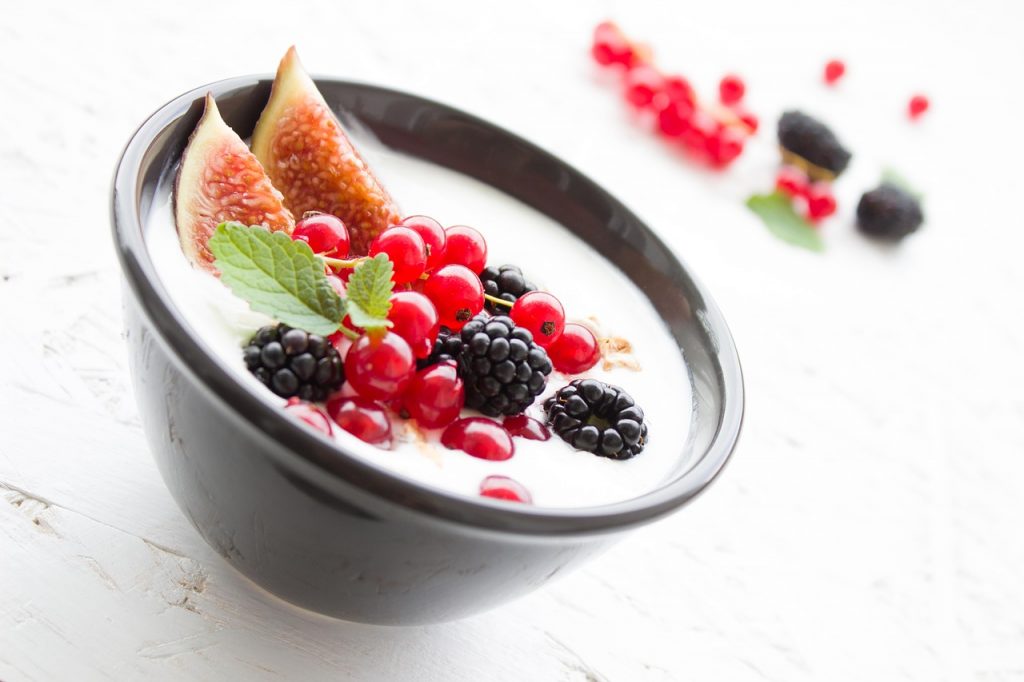
Your gut microbiome starts developing at birth and evolves based on your diet and environment. Although some factors are predetermined, making dietary changes can shift your gut bacteria toward a healthier balance.yogurt, berries, fig
Pixabay Image

Probiotics: Adding Good Bacteria to Your Gut

Probiotics are live bacteria found in certain foods that complement the good bacteria in your gut. However, not all probiotics work the same way—each type has unique benefits. 
How Probiotics Help:

  • Strengthen the immune system
  • Improve digestive health (especially for IBS)
  • Ease allergy symptoms
  • Assist with lactose intolerance

Since everyone’s microbiome is unique, the effectiveness of probiotics varies from person to person.


Sources of Probiotics

Look for probiotics in:

  • Yogurt and aged cheeses (with live cultures like lactobacilli and bifidobacteria)
  • Fermented vegetables (e.g., kimchi, sauerkraut)
  • Pickled foods (e.g., onions, gherkins)

Prebiotics: Fuel for Good Bacteria

Prebiotics are dietary fibers that feed probiotics, helping them grow and thrive. They also enhance calcium absorption. Common sources include:

  • Vegetables (artichokes, asparagus, onions, leeks)
  • Fruits (bananas)
  • Legumes (soybeans)
  • Whole wheat products

Synbiotics: The Perfect Probiotic-Prebiotic Combination

Synbiotics combine probiotics and prebiotics to enhance the lifespan and effectiveness of good bacteria. Some easy synbiotic combos include:

  • Bananas with yogurt
  • Asparagus stir-fried with tempeh

Innovative Ways to Modify Gut Bacteria

Emerging treatments aim to reshape gut bacteria to improve health:

  • Fecal transplants introduce healthy bacteria to treat conditions like C. difficile infections and ulcerative colitis.
  • Deep Transcranial Magnetic Stimulation (dTMS) stimulates brain activity, influencing gut bacteria. This approach is being explored as a potential treatment for obesity.

By understanding the importance of good bacteria and making intentional dietary choices, you can support a healthy gut and improve both your physical and mental health. Whether through probiotics, prebiotics, or emerging therapies, nurturing your gut microbiome is a key step toward long-term well-being.

 Source : WebMD

Premium Contents

Friday, August 2, 2024

Trimming Down with Tea: A Weight-Loss Wonder Brew!

Research has shown that drinking tea can provide you with a huge range of health benefits. Having a cup of this aromatic beverage every day can protect the cells of your body from damage, soothe your digestive system, keep your bones healthy, and even help you lose weight.

All types of tea can provide you with some form of health benefit. However, different types of tea retain different nutrient content. So, they are suited for different purposes.

All types of tea are derived from the leaves of the same evergreen shrub known as ‘Camellia sinensis’. Depending on how the tea leaves are processed, tea can be classified as green tea, oolong tea, black tea, white tea, and yellow tea.

If you want to lose weight, drinking green tea is your best. However, you should also be on a healthy diet program and exercise regularly in order to see significant results.

Why is green tea beneficial for weight loss?

Green tea is loaded with caffeine and a flavonoid known as Catechin which helps to increase the metabolic rate of your body, improve your insulin activity, and even increase fat oxidation.

A faster metabolism helps your body to burn more energy and fat oxidation helps you to get rid of excess fat in your body.

In a study conducted in 2008 over 60 obese people showed that drinking green tea in conjunction with following a fat loss diet and exercise program can help you to lose an extra 7.3 pounds(3.3 kg) than people who only follow an exercise or diet program.

Another study showed that consuming green tea in conjunction with following a healthy diet can help to lose an average of 2.9 pounds over 12 weeks.

This is why green tea is known as the ‘weight loss tea’.

How to consume green tea for weight loss

green tea

You don’t have to gulp green tea all day long in order to see the benefits. Drinking about 2-3 cups per day will do the trick. Of course, the results will vary for different individuals based on their body weight and metabolism.

If you want to see the best results, drink matcha green tea which is a type of concentrated powdered green tea. Matcha green tea is the richest source of antioxidants and nutrients.

Don’t boil green tea leaves directly in boiling water as heat is bad for catechins. Instead, boil the water separately and let it rest for 10 minutes. Then, pour it over the tea leaves and brew it for about 1 minute. If you brew longer, the taste will change.

Green tea is the best tea for weight loss. However, if you don’t like the taste of green tea, you can substitute it for any of the following –

Pu-erh Tea  

Fermented Chinese black tea is known as pu-erh tea. It has an earthy aroma and is often served after a meal. 

Studies conducted on animals have shown that this tea may help lower blood triglycerides and blood sugar levels. Another study conducted over 70 men has shown that consuming pu-erh tea extract can help you to lose 2.2 pounds(1 kg) over a period of 3 months.

Thus, pu-erh tea can help you to lose weight, control obesity, and even suppress weight gain.

Black tea

It is the most widely consumed tea in the world. This type of tea is much more oxidized than other types of tea like oolong, green, or white tea.

The dark color of black tea is a result of the oxidation process where the leaves are exposed to air.

A study conducted over 111 individuals has shown that drinking 3 cups of black tea regularly for 3 months can help in weight loss and even reduce your waist circumference. Another study conducted over a period of 14 years over 4280 people has shown that people who consume black tea had a lower body mass index(BMI) than people who don’t drink it.

Researchers believe that black tea is good for weight loss because it is rich in flavanols which is a type of plant pigment that has properties similar to antioxidants.

Oolong tea

Partially oxidized traditional Chinese tea is known as oolong tea. The color of this tea is lighter than black tea but deeper than green tea. It is also more oxidized than green tea.

Oolong tea has a fragrant and fruity aroma which provides it a unique flavor. However, you should note that the flavor can change depending on the level of oxidation.

A small study has shown that consuming oolong tea 3 days straight can improve your metabolic rate by up to 2.9%. This means you will burn an average of 281 calories in a single day. Another study conducted over 102 overweight people showed that consuming oolong tea for 6 weeks may help you to reduce body fat and body weight by increasing the energy expenditure of your body.

White tea

This type of tea is minimally processed and is the most different than other types of tea. In fact, the tea leaves are harvested while the tea plant is still growing or quite young.

White tea has a delicate and subtle taste. It is also a little sweet which provides a distinct flavor from other types of tea.

Some test-tube studies have found that white tea extract can prevent the formation of new fat cells and even break them down. This may be because white tea has a comparable amount of catechins as green tea.

There is not a lot of research done on white tea for weight loss but it is known to improve oral health and even kill cancer cells.

Herbal tea

Herbal tea differs from regular tea because they are not made from the leaves of ‘Camellia Sinensis’. This type of tea is actually made by infusing herbs, fruits, and spices in hot water.

herbal teas offer different tastes and flavors and make a seductive substitute for sugary beverages or water. Not only is it delicious, but some herbal teas also improve your health and overall wellness. Actually, herbal teas have been generally put to use as natural cures for all sorts of sickness and diseases for centuries.

Some popular varieties of herbal tea include rosehip tea, rooibos tea, hibiscus tea, and ginger tea. Among them, rooibos tea is preferred for weight loss as it can increase fat metabolism and even block the formation of new fat cells.

What do you understand by Cardiovascular disease? Read More

J type diabetes revisited Read More

#bestteaforweightloss #greenteaforweightloss #howtodrinkteaforweightloss #weightlosstea Premium Contents