Friday, June 28, 2024

7 Impressive Health Benefits of Chinese Black Tea

Due to its numerous health benefits black tea is the most widely consumed beverage in the world. Compared to other types of tea like green tea,  oolong tea, or white tea, it is more oxidized. Hence, it has a stronger flavor.

The species of plant from which it is produced is a small evergreen shrub known as ‘Camellia sinensis’. The origin of this type of tea dates back to the mid-17th century in China.

Here are 7 amazing health benefits of Chinese black tea
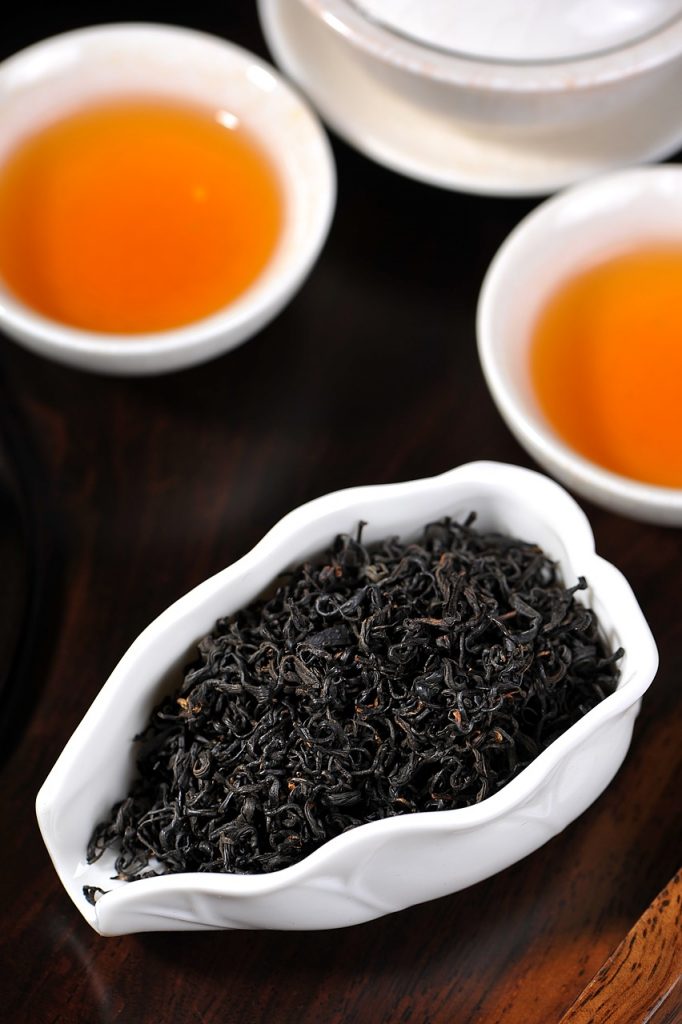
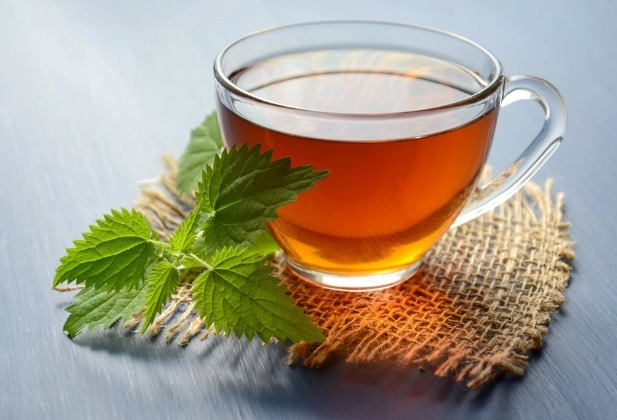
black tea,
Source: Pixabay

Keeps Your Heart Healthy

 Black tea is rich in antioxidants called flavonoids, flavan-3-ols, theaflavins, and gallic acid derivatives. These can keep your heart healthy by preventing abnormal functioning of blood vessels and reversing coronary artery dysfunctions.

Research has shown that drinking three cups of black tea regularly can reduce the risk of heart disease, reduce low-density cholesterol levels, reduce the risk of stroke, and even control healthy blood pressure levels.

Prevent Cancer

Black tea contains polyphenols which can protect you from carcinogens and prevent the spread of cancer cells by inducing apoptosis. Incorporating black tea into your diet may be a good option if you use any tobacco products.

Studies have found that it is effective in treating ovarian cancer, prostate cancer, lung cancer, oral cancer, colorectal cancer, and bladder cancer.

Improves Digestive Tract

Our stomach contains trillions of bacteria and other microbes. Some of these are beneficial for your gut and others can cause illnesses such as type 2 diabetes, inflammatory bowel disease, cardiovascular disease, obesity, and even cancer.

The polyphenols contained in black tea act as a prebiotic and induce the growth of good bacteria. It also inhibits the growth of harmful bacteria like ‘Salmonella’.

Glowing Skin

 Consuming black tea can help you to flush out harmful toxins from your skin as it is rich in antioxidants and tannins. It also has astringent properties.

So, applying it directly on your face or under your eyes can help you to tighten your skin pores, help to get rid of dark circles, lighten blemishes and protect your skin from premature aging.

Lower The Risk of Diabetes

Consuming excess sugar can cause an increase in your blood sugar levels. This can cause depression, obesity, cardiovascular disease, and type 2 diabetes.

Black tea contains catechins and theaflavins which prevent beta-cell dysfunction and raises insulin sensitivity. Thus, drinking black tea can lower the risk of type 2 diabetes.

Boost Your Immune System

Free radicals are harmful and cause damage to our body cells. This can lead to several chronic diseases. Black tea contains polyphenols such as theaflavins, catechins, and thearubigins which help to eliminate free radicals, promote healthy functioning of the cells and also give a boost to our immune system.

Prevent Hair Loss

The hormone responsible for hair loss is known as DHT. Black tea contains caffeine which decreases the production of DHT in our bodies.

Applying it on your scalp after shampooing can also promote hair growth and add luster to it.

 While the majority take tea simply because of its soothing quality and yummy taste, each cup also gives a lot of health benefits.

Conclusion

Swapping calorie-loaded beverages such as soda or juice with tea can cut down overall calorie consumption and as well bring about weight loss.

Black tea contains many antioxidants that fight free radicals that are dangerous to your health. Also, Black tea is very high in flavones while green tea is in catechins, which are beneficial compounds that may enhance your weight loss and improve overall health.

#ChineseBlackTea #antioxidants #StressRelief Premium Contents

Sunday, June 23, 2024

Skin Care Tips to Delay Aging Process

The following good skincare and healthy food habits can help delay the natural aging process and prevent various skin problems.

Healthy Eating

Eat a healthy diet. Eat plenty of fruits, vegetables, whole grains, and lean proteins. Research suggests that a diet containing low fats and processed or refined carbohydrates might promote younger-looking skin.

Manage stress

Uncontrolled stress can make your skin more sensitive and trigger acne breakouts and other skin problems. To encourage healthy skin — and a healthy state of mind — take steps to manage your stress. Set reasonable limits, scale back your to-do list, and make time to do the things you enjoy. The results might be more dramatic than you expect.

Protect yourself from the sun

One of the most important ways to take care of your skin is to protect it from the sun. A lifetime of sun exposure can cause wrinkles, age spots, and other skin problems — as well as increase the risk of skin cancer.

Cleaning a normal skin

Don't just use any soap you find at the sink or in the bathroom to clean your face. And don't feel like you will need to get fancy, or costly products, either. Simply look for skincare that works for you. Apply a mild cleanser with your fingertips. Avoid scrubbing your face. Rinse with enough warm water, then pat dry. Should your skin dries out or becomes oily, consider using a different cleanser.

Don’t smoke

Smoking makes your skin look older and gives you wrinkles. Smoking narrows the tiny blood vessels in the outermost layers of skin, which decreases blood flow. This depletes the skin of oxygen and nutrients that are important to skin health. Smoking also damages collagen and elastin — the fibers that give your skin its strength and elasticity. In addition, the repetitive facial expressions you make when smoking — such as pursing your lips when inhaling and squinting your eyes to keep out smoke — can contribute to wrinkles.

    If you smoke, the best way to protect your skin is to quit. Ask your doctor for tips or treatments to help you stop smoking.

#skincare #skincaretips Premium Contents

Tuesday, June 18, 2024

Cultivating a Positive Mindset: Daily Practices for Inspiration and Gratitude

In the whirlwind of our daily lives, it's easy to feel overwhelmed, stressed, and disconnected from what truly matters. But what if you could harness the power of a positive mindset to transform your life, bringing more joy, inspiration, and gratitude into each day? Imagine waking up with a sense of purpose and going to bed with a heart full of appreciation. In this blog post, we're going to explore the incredible benefits of a positive mindset and share simple, effective daily practices that will help you cultivate inspiration and gratitude. Get ready to embark on a journey that will not only change the way you think but also how you experience life itself.

The Power of a Positive Mindset

A positive mindset is more than just a feel-good buzzword; it's a powerful tool that can fundamentally alter the course of your life. At its core, a positive mindset is about adopting an optimistic outlook and focusing on the good in any situation. This doesn't mean ignoring problems or pretending everything is perfect. Instead, it involves recognizing challenges and choosing to approach them with resilience, hope, and an openness to solutions.

Research has shown that a positive mindset can lead to numerous benefits, including:

Improved mental health:

One of the most significant advantages of maintaining a positive mindset is its impact on mental health. Numerous studies have shown that positivity can reduce symptoms of depression and anxiety. When you focus on positive thoughts, you’re less likely to dwell on negative ones, which can create a vicious cycle of worry and stress. A positive mindset encourages healthier coping mechanisms, making it easier to manage life's ups and downs.

Enhanced physical health:

The mind-body connection is powerful, and a positive mindset can lead to tangible physical health benefits. Optimistic individuals often experience lower levels of inflammation, improved cardiovascular health, and stronger immune responses. Stress is a known contributor to various health issues, and positivity helps mitigate stress, leading to better overall physical health.

Better relationships:

A positive attitude can also transform your relationships. When you approach interactions with optimism and empathy, you foster stronger, more supportive connections. Positivity can make you more approachable and better able to handle conflicts constructively. As a result, your relationships can become deeper and more fulfilling, providing a solid support system that further enhances your well-being.

Increased productivity:

A positive mindset is a powerful driver of productivity and creativity. When you feel good about yourself and your capabilities, you’re more likely to take on challenges and push beyond your comfort zone. Optimism fuels motivation and perseverance, essential components for achieving personal and professional goals. Moreover, a positive outlook can enhance creativity by opening your mind to new ideas and perspectives, enabling innovative solutions to problems.

Daily Practices for Inspiration and Gratitude

Now that we understand the benefits, how can you cultivate this mindset daily? Here are some practical practices you can incorporate into your routine.

Recommended Post: Mastering the Power of Positive Attitude

women positive attitude

Gratitude Journals

One of the most effective ways to cultivate a positive mindset is by keeping a gratitude journal. Each day, take a few minutes to write down three things you're grateful for. These can be big things, like a promotion at work, or small things, like a delicious cup of coffee in the morning.

Why it works: Focusing on gratitude shifts your attention from what you lack to what you have, fostering a sense of abundance and appreciation.

How to start: Keep a notebook by your bed and make it a habit to write in it each night before you go to sleep. Reflect on your day and jot down whatever comes to mind. Over time, you'll find it easier to identify the positives in your life.

Vision Boards

Creating a vision board is a powerful way to visualize your goals and dreams. Collect images, quotes, and other items representing your aspirations and arrange them on a board. Place your vision board somewhere you'll see it every day.

Why it works: Visualizing your goals can increase motivation and clarity, helping you stay focused on what truly matters to you.

How to start: Gather magazines, print out pictures from the internet, and find quotes that resonate with you. Spend an afternoon creating your board, and then hang it where you can see it daily, such as in your bedroom or office.

Inspirational Reading Lists

Incorporate inspirational reading into your daily routine. Whether it's books, articles, or blogs, reading about others' experiences and wisdom can provide you with new perspectives and motivation.

Why it works: Reading inspirational content can uplift your spirits and provide you with the encouragement you need to stay positive.

How to start: Create a reading list of books and articles that inspire you. Dedicate at least 10-15 minutes each day to read something from your list. You can do this in the morning to start your day positively or in the evening to wind down.

Additional Tips for Cultivating Positivity

Beyond these practices, there are other simple habits you can adopt to maintain a positive mindset:

  • Practice mindfulness: Spend a few minutes daily in quiet reflection or meditation. This can help you stay grounded and focused on the present moment.
  • Surround yourself with positivity: Spend time with people who uplift and support you. Avoid negative influences that can drag you down.
  • Exercise regularly: Physical activity releases endorphins, which can improve your mood and overall outlook on life.
  • Help others: Acts of kindness can boost your mood and create a sense of connection and purpose.

Bottom Line

Cultivating a positive mindset is an active and intentional practice that can transform your life. Start by integrating simple daily habits like keeping a gratitude journal, creating a vision board, and building an inspirational reading list. These practices can help you focus on the good, stay motivated, and find constant inspiration. Additionally, incorporating mindfulness, surrounding yourself with positivity, staying physically active, and performing acts of kindness can further enhance your sense of well-being and purpose.

Take the first step by committing to one of these practices today. As you begin to experience the benefits, gradually incorporate more into your routine. Consistent small actions lead to significant changes over time. By actively working on your mindset, you're not only improving your life but also setting a positive example for others. Embrace this journey with determination and openness, and watch as your life transforms in remarkable ways.

#MentalHealth #PersonalGrowth #PositiveMindset #SelfCare Premium Contents

Thursday, June 13, 2024

Weight Loss Tips — How to Have a Better Recipe

Losing weight is not an easy task. It requires determination, discipline, and hard work. It also requires that you stick to diet plans religiously in order for your weight loss program to be a success. Luckily, we have compiled a list of weight loss foods that you can eat to help you maintain weight and shed those fats!

 Leafy greens

food, healthy, vegetable
Pixabay Images

One way to ensure that you reduce your weight is by eating leafy greens which include spinach, kale, and many others. How? They are food that has low energy density. This means that your body won’t be wanting to eat as many calories anymore.

Leafy greens are also high in fiber and low in calories and carbohydrates. This means that you can intake a lot in your diet plans without having to worry about gaining weight. It also helps in cleaning your digestive system so your body can fully absorb the nutrients and antioxidants.

Lean meat

Lean meat is considered to be relatively low in fat content. Chicken and turkey with their skins peeled off and red meat, including pork chops, with the fats, scrape off are good examples of lean meat. The fats on a pork chop make up about two-thirds of its fat content and the skin on chicken could very well make up 80 percent of its fat content. Going for unprocessed lean meat is a great and effective way to boost your protein intake. You could easily lose excess fat if you can swap some of the carbs or fat in your diet with proteins.

Not only does it help you in your weight loss, but it also helps you in cutting your cravings by approximately 60%.

Tuna and salmon

salmon, herbs, food

Tuna and salmon are both high in protein but low in calories. They are what people call “lean fish” and they work just like lean meat, only healthier. These weight loss foods should definitely find their way in your diet plans. Both fish are popular among people who want to lose weight and are a staple in their diet plans. Make sure, though, that you choose those that are canned in water, and not in oil.

Chia seeds

Chia seeds are the wonder weight loss foods when it comes to fiber. Approximately 90% of their carbohydrates is actually fiber, which makes you a lot healthier! Not only does it allow you to be healthier, it also helps cut your cravings leading to weight loss. Adding chia seeds to your daily diet plans would definitely help burn those fats by a significant amount.

Green tea

One of the secret wonders of the world of weight loss is green tea. What’s good about it is that you can actually customize its flavor so you can get a healthy, weight-losing, and delicious beverage.

According to research, caffeine and the nutrients called flavonoids which are found in green tea can actually increase your metabolic rate. This means that you would be able to consume more calories without having to worry about gaining weight. This also means that if you would be consuming the same amount of calories that you do in a day, and you drink tea, you would be experiencing joyful results in terms of weight loss. Perhaps that’s the reason why green tea is taking the world by storm.

#loseweight #weightlosstips Premium Contents

Saturday, June 8, 2024

Green Tea or Coffee: Which is a Better Choice

What you must know about green tea and coffee: Should you consider switching. If you’re a “But first, coffee” kind of person, you probably can’t imagine giving up your daily cup (or cups). And some green tea drinkers wouldn’t even toy with the idea of swapping their jewel-toned matcha for a cup of coffee.

When it comes to your health, there is not one particular obvious champion. Although there are several major distinctions between the two, green tea and coffee, both provide antioxidants and also offer protection from certain health issues.

Both coffee and green tea have plenty of benefits

Coffee has more caffeine Are you a caffeine friend? Coffees might be a better choice. Here is the caffeine content present in the 1 cup of every drink. A cup of brewed coffee: 91. 8 milligrams Made green tea extract: 29. 4 mg But much caffeine isn’t usually far better. Studies shows that 400mg of caffeine is considerably good for an adult. [2] Study shows that several peeps tend to be more sensitive to caffeine compared to others. That is due to hereditary variants within digestive enzymes that break down coffee. Furthermore, because of variation in several receptors in the body that will caffeine targets.

Both are full of Antioxidants

Coffee is very high in phenolic anti-oxidants Roasted coffee is a complex mixture that contains over 1, 000 bioactive compounds. Many of these substances have antioxidant effects. Especially phenolic vitamin antioxidants (such chlorogenic acid,

Green tea extract has a lot of polyphenol antioxidants. Like coffees, catechins and flavonols are the main polyphenols present in green tea extract. Quercetin, plus theogallin are flavonols present in the extract. Epigallocatechin gallate (EGCG), catechin and is one of the most popular vitamin antioxidants in green tea extract. It has been the number one feature of all sorts of health benefits, including anticancer, neuroprotective, antidiabetic, and also anti-inflammatory results.

They Lower Your Chance of Illness

If you’re concerned that your favorite drink is harming your well-being, don’t worry. Green tea extract together with coffee has been associated with a bunch of health benefits, and each can be part of a healthy diet plan.

Coffee

Usually, a cup of coffee lovers out there is going to be happy to realize that regularly consuming coffee has been associated with a lower probability of heart disease, cancer, liver, diabetes, as well as passing away through just about all will cause.

A big study in 2017 evaluation, observed that a decrease in death rate as a result of heart disease has been related to ingesting three to four 4 cups of coffee each day (when in contrast to having none ). Taking coffee has also been recently linked to a lower risk of depression disorders, obesity, and cognitive decline.

Green Tea

Don’t write off green tea extract just yet. It can hang too. Studies suggest that sipping green tea extra can help maintain healthy blood pressure and could help lower the risk of several health issues such as diabetes, heart problems, including liver issues. Research claims that sipping green tea herb will help sustain healthy and balanced blood circulation pressure and might support the reduction of the chance of certain illnesses such as diabetes, cardiovascular disease, plus certain types of cancer.

Green tea also consists of a protein known as L-theanine. This includes soothing in addition to anti-stress substances. Just keep in mind that it would take a lot regarding green tea to obtain this effect. A mug involving environmentally friendly teas contains 25 milligrams of L-theanine. That's much less than the required 200-milligram doses which have been identified to be effective.

Matcha may get you closer. It is a specific type of green tea extract made from a powder. It contains twice much more L-theanine as compared to sencha, another type of green tea extract. The most popular green tea in Japan.

Generally, You can have the two!

Coffee and green tea extract, both have possible health and fitness benefits. Generally, you probably do not have to select from both. You could combine the two! Green tea is excellent if you wouldn't like more caffeine. If you are very sensitive to caffeine or maybe you feel jittery or distressed right after enjoying coffees, switching to green tea will be a better option. Keep in mind green tea contains caffeine but more than trice much less in green tea compared to coffee.

However, should you need a caffeine boost or perhaps want to use caffeinated beverages to boost athletic performance before a workout, coffee drinks may be a much better option. Don't overdo it. Consuming excess caffeine could result in sleeping disorders, restlessness, along with other negative effects, even though you have a good tolerance for caffeine. The very best way to lower caffeine, get more flavonols, and antioxidants in your diet plan would be to have a mug of coffee each morning and enjoy a mug of green tea in the mid-day.

Tips for Healthy Drink: Avoid Added Sugars

If you’re having your coffee or green tea from a cafe, you should know that, despite the fact that the chilled blueberry matcha might be great along with delish AF, these types of drinks could possibly be filled with unhealthy calories and even added sugar. Getting a lot of added sugar isn’t good for your overall health. It was recently associated with a variety of health and fitness issues, which include heart problems along with liver illness. Make coffee or green tea in the home whenever possible, you could be responsible for what happens in it.

Drink safely

It is essential to drink responsibly. As an adult, keep your coffee intake below 400 mg each day. That is about some cups of joe or simply thirteen cups of green tea. Pregnant and breastfeeding moms should keep their own caffeine consumption pretty less than 200 milligrams daily.

Caffeine can make anxiety and mental illness symptoms worse. Therefore if you have stress or notice that your caffeine increases linked to a mental health condition, it will be the best option to reduce caffeinated drinks to the minimum. Coffee may also trigger headaches and heart palpitations in some people. Should you experience these symptoms, they can be linked to your coffee intake. Talk with a doctor.

Too much caffeine could negatively affect your sleep as well. Having too little sleep isn’t good for your health, it may make you feel like crap. To avoid sleep-related side effects, experts recommend you stop any caffeinated drinks by 2 pm.

Bottom Line

Green tea is low in caffeine. You will need to be caution in taking green tea, it can make some people feel dizzy. A cup of coffee have more caffeine, high in calories and also some beneficial compounds. Nevertheless, one isn't really “better” when compared to the other. The choice is up to you.

Do you enjoy this post? Share it! and subscribe

#coffee #greentea #greenteavs.coffee #healthbenefitofcoffee #healthbenefitofgreentea Premium Contents

Friday, June 7, 2024

Probiotics — Probiotic Foods, and Health Benefits

In the quest for optimal health, there's a hidden ally within us that plays a crucial role in our well-being – the gut. The trillions of microorganisms residing in our digestive system hold the key to a healthier and happier life. Enter probiotics, the superheroes of the gut world, and the focus of this blog post. Join us as we delve into the fascinating realm of probiotic foods and explore the myriad health benefits they offer.

What Are Probiotics

Probiotics are live microorganisms, predominantly bacteria and yeast, that confer health benefits when consumed in adequate amounts. They are often referred to as "good" or "friendly" bacteria, and their primary residence is in the digestive tract.

Elie Metchnikoff — was a Russian scientist who came up with the idea in 1907. Metchnikoff observed that Bulgarians who ate or drank fermented dairy each day lived lengthy and healthful lives. the notion the acid-making organisms in those meals ought to preserve the colon healthfully.

Culinary Harmony: Exploring Probiotic Foods for Optimal Gut Health

Embarking on a journey to better gut health is not only beneficial but also a delightful culinary adventure. Probiotic foods, with their diverse flavors and textures, add a symphony of taste to your plate while promoting a harmonious gut environment.

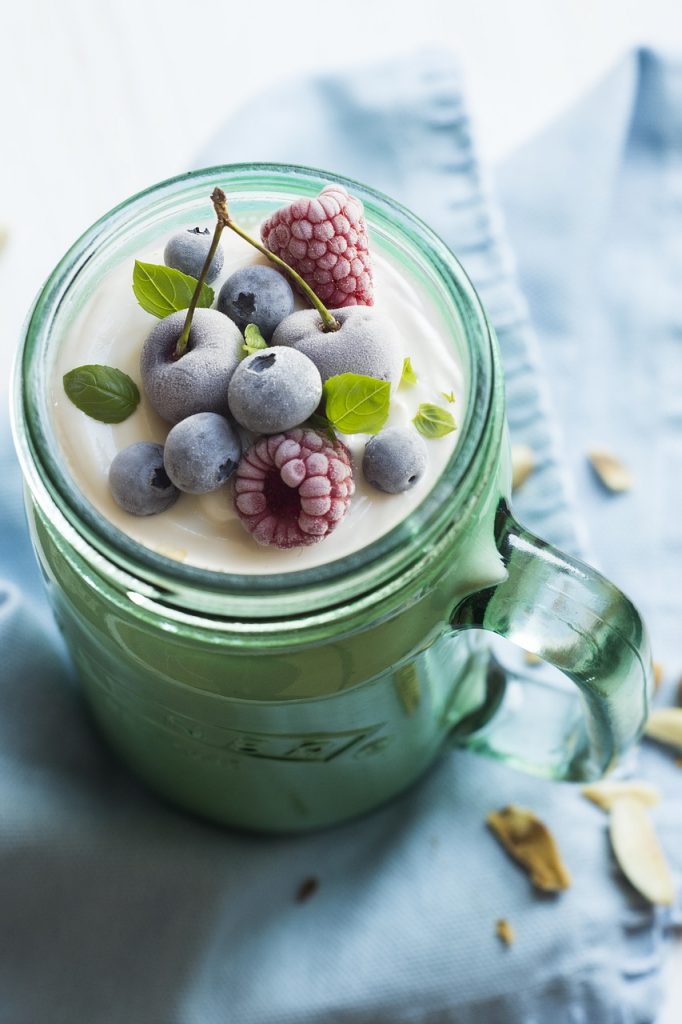
dessert, yogurt, fruit
Pixabay Images

Yogurt: The Creamy Probiotic Powerhouse

Starting with a classic, yogurt is a versatile and widely accessible source of probiotics. Whether enjoyed on its own, mixed with fresh fruits, or blended into smoothies, yogurt introduces beneficial bacteria, such as Lactobacillus and Bifidobacterium, into your digestive system. Opt for plain, unsweetened varieties to maximize the probiotic benefits without unwanted sugars.

Kefir: The Fermented Elixir

Kefir, a fermented milk drink, offers a tangy and effervescent twist to your probiotic journey. This beverage, often made from kefir grains, provides a rich source of probiotics, including various strains not typically found in yogurt. Experiment with flavored kefir or use it as a base for refreshing probiotic-rich smoothies.

Sauerkraut: The Tangy Fermented Cabbage

Hailing from the world of traditional fermented foods, sauerkraut is fermented cabbage that not only tickles your taste buds with its tangy flavor but also introduces a host of probiotics, primarily from the Lactobacillus genus. Add sauerkraut as a zesty topping to salads, sandwiches, or even enjoy it as a side dish to diversify your probiotic intake.

Kimchi: The Spicy Korean Delight

For those who enjoy a bit of heat, kimchi is a Korean staple that combines fermented vegetables, usually cabbage and radishes, with an array of flavorful spices. This probiotic-rich dish not only adds a spicy kick to your meals but also introduces beneficial microorganisms, promoting a healthy gut flora. Incorporate kimchi into stir-fries, rice bowls, or as a side dish for an explosion of flavors.

Miso: The Umami Elixir

Miso, a traditional Japanese seasoning made from fermented soybeans, introduces a depth of umami flavor to your dishes. Packed with probiotics, it is a versatile ingredient for soups, marinades, and glazes. Miso not only enhances the taste of your meals but also supports gut health with its beneficial microorganisms.

As you explore the world of probiotic foods, consider experimenting with different combinations and recipes to suit your taste preferences. Mixing and matching these culinary delights not only enriches your palate but also provides a diverse array of probiotic strains, contributing to a flourishing gut microbiome. So, let your taste buds guide you through this culinary symphony for gut health, and savor the transformative power of probiotic-rich foods in every bite.

What are the Benefits of Probiotics

The Gut-Brain Connection

Beyond digestive health, emerging research suggests a strong link between the gut and the brain. Probiotics play a pivotal role in maintaining this gut-brain axis, influencing mood, cognition, and even behavior. A healthy gut may very well be the key to a happier mind.

Boosting Immunity with Probiotics

Did you know that a significant portion of our immune system resides in the gut? Probiotics fortify the immune system by promoting the production of antibodies and enhancing the activity of immune cells. Regular consumption of probiotic foods can be your secret weapon in the battle against infections.

Digestive Harmony

Say goodbye to bloating, indigestion, and other digestive woes! Probiotics aid in maintaining a balanced gut flora, preventing the overgrowth of harmful bacteria. This, in turn, promotes smoother digestion and absorption of nutrients.

Probiotics for All Ages

From infants to the elderly, everyone can benefit from the wonders of probiotics. They play a crucial role in establishing healthy gut microbiota from early childhood and continue to support digestive health throughout life. Discover the age-appropriate probiotic options for you and your family.

Choosing the Right Probiotic Supplements:

While probiotic-rich foods are an excellent addition to your diet, supplements can provide a convenient and concentrated source of these beneficial microorganisms. Learn how to navigate the world of probiotic supplements, understanding factors like strain diversity, potency, and viability.

Bottom Line

In the intricate tapestry of health, probiotics emerge as a thread that binds various aspects together. The journey to well-being begins in the gut, and by incorporating probiotic foods into our daily lives, we empower ourselves to live a healthier and more vibrant existence. So, embark on this culinary adventure, savor the probiotic delights, and let the transformation of your health unfold – one gut-friendly bite at a time.

#probiotics Premium Contents

Monday, June 3, 2024

Fit on a Budget: Affordable Home Gym Equipment for Your Fitness Journey

In today's world, people are becoming more and more health conscious. However, with the busy lifestyle and expensive gym memberships, it's not always easy to stay fit. But, what if we tell you that you can achieve your fitness goals without breaking the bank? Yes, that's right! In this article, we will be discussing affordable home gym equipment that can help you stay fit and healthy without burning a hole in your pocket.

We'll discuss their pros and cons, helping you make an informed decision on the best equipment to suit your fitness goals and budget. Whether you are a beginner or an experienced gym-goer, there is something for everyone on this list. From resistance bands to yoga mats, we have got you covered. So, let's dive into the world of affordable home gym equipment and discover how you can achieve your fitness goals without spending a fortune.

Resistance Bands

resistance bands
Photo by Angela Roma

Resistance bands are elastic bands made of durable materials, designed to provide resistance during various exercises. They come in different levels of resistance and are great for strength training, toning muscles, and improving flexibility.

How to Use Simply anchor the bands to a sturdy object or use them with your hands or feet to perform a wide range of exercises, such as bicep curls, squats, and leg extensions.

Pros Extremely affordable and versatile. Lightweight and portable, ideal for travel or small spaces. Adjustable resistance levels to accommodate various fitness levels. Can target multiple muscle groups. Suitable for a wide range of exercises, from strength training to stretching.

Cons Limited resistance compared to traditional weights. May not provide the same muscle-building potential as heavyweights. Durability may vary depending on the brand and quality.

Adjustable Dumbbells

adjustable dumbbells
Photo by Andrea Piacquadio

Adjustable dumbbells are compact weightlifting tools that allow you to change the amount of weight easily. They typically come with plates or dials that can be adjusted to increase or decrease the resistance.

How to Use Select the desired weight and secure it using the provided mechanism. Perform a wide range of exercises, including bicep curls, shoulder presses, and lunges.

Pros Allows for a variety of weight options within a single set. Space-saving design, eliminating the need for multiple dumbbells. Versatile for various exercises, including both upper and lower body workouts. Enables progressive overload and muscle growth. Durable and long-lasting with proper care.

Cons Higher initial investment compared to other budget-friendly options. Limited weight increments may not suit advanced weightlifters. Bulky and may require additional storage space.

Stability Ball

stability ball

A stability ball, also known as an exercise ball or Swiss ball, is a large inflatable ball made of durable materials. It is primarily used for core strengthening, balance training, and flexibility exercises.

How to Use Sit or lie on the stability ball while performing exercises like crunches, planks, or back extensions. It can also replace a traditional bench for exercises like chest presses or dumbbell flyes.

Pros Affordable and effective for core and stability training. Engages multiple muscle groups simultaneously. Improves balance, flexibility, and posture. Can be used for a wide range of exercises, from planks to Pilates. Lightweight and easy to store.

Cons Not suitable for heavy weightlifting exercises. Requires additional exercises or equipment to target specific muscle groups. May lose air over time and require reinflation.

Jump Rope:

Jump Rope
Photo by Dom J

A jump rope is a simple and effective cardiovascular exercise tool. It consists of a rope with handles on each end, which you swing over your body while jumping over it.

How to Use Hold the handles and swing the rope over your body, jumping with both feet to clear it as it comes around. Increase the speed or try various jumping techniques to intensify your workout.

Pros Extremely affordable and compact. Excellent for cardiovascular workouts, improving endurance, and burning calories. Portable and suitable for both indoor and outdoor use. Can be used for a variety of exercises, including HIIT workouts. Adjustable length to accommodate different heights.

Cons Limited focus on strength training and muscle building. Requires coordination and skill to perform advanced jump rope techniques. Not suitable for individuals with joint or knee issues.

Conclusion

When it comes to creating a budget-friendly home gym, there are various options to consider. Resistance bands, adjustable dumbbells, stability balls, and jump ropes are excellent choices that provide versatility, affordability, and effectiveness. While each option has its pros and cons, it ultimately depends on your specific fitness goals and preferences. By investing wisely in budget-friendly home gym equipment, you can kick-start your fitness journey without breaking the bank.

#homegymequipment Premium Contents

Sunday, June 2, 2024

8 Biggest Breakfast Mistakes You Can Make

Breakfast has long been regarded as the most important meal of the day. However, if you're making these simple mistakes, it won't give you lots of the energy and brainpower you need. [1]

1. Omitting It

Every now and then, we all walk past the breakfast table. However, doing it every morning may increase your risk of health issues such as high blood cholesterol, heart disease, and type 2 diabetes. Some people may even become more likely to smoke as a result of it. A well-balanced morning meal, on the other hand, can reduce those risks and provide you with the energy you need to have a productive day.

2. Failure to Eat Enough

If your stomach is still grumbling after a little breakfast, you're more likely to overeat or nibble on junk food later in the day, which can lead to weight gain. A hearty breakfast may have the opposite impact. It speeds up your metabolism, allowing you to burn calories all day long.

3. Ignoring the Benefits of Healthy Fats

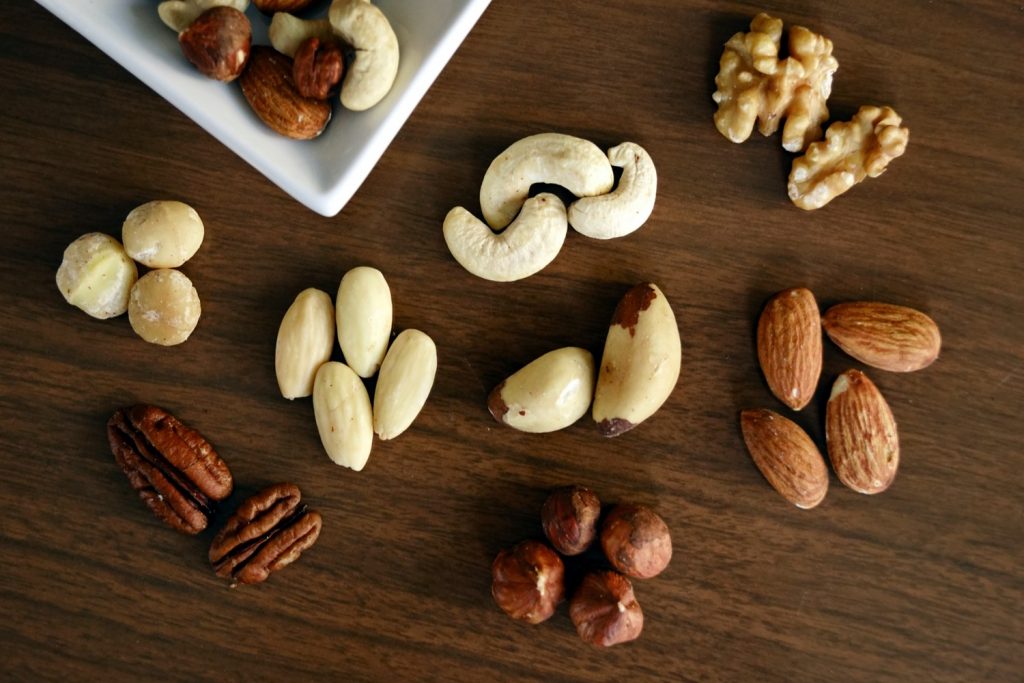
Nuts and Seeds

Unsaturated fats are really beneficial to your health. Add nuts or seeds to yogurt, or spread nut butter over whole-grain toast or an apple to make them part of your breakfast. Omega-3 fats are also good for your heart. Mixing ground flaxseed into your cereal is an easy way to acquire them. Saturated fats, on the other hand, should be avoided because they increase cholesterol. Butter, whole or 2% milk, and morning pastries should all be avoided.

4. Eliminating Carbs

Oats

"Complex carbohydrates" provide you with consistent energy during the day. Don't get rid of them totally. Simply make a good decision. Steel-cut oats, fresh fruit, a low-sugar granola bar, or whole-grain cereal or bagel are all healthy options. On the other hand, "simple carbs" may cause an energy slump in the afternoon. Avoid foods like greasy hash browns, white flour pancakes or waffles, or pancakes made with white flour and sweetened fruit juice.

5. Not Getting Enough Protein

More than your muscles benefit from a protein-rich breakfast. It may also aid in controlling your hunger later in the day. But it doesn't mean you can pile bacon and sausage on your plate. Cottage Cheese, Greek yogurt, Nut butter, turkey bacon, or milk are all leaner options that are healthy for your heart. The fat content of skim and 1% milk is the lowest.

6. Omitting eggs

food, eggs, ingredients

Egg whites are a high-protein and nutrient-packed food. Even the yolks, in moderation, are fine for some of us because they're high in protein, vitamin D, and antioxidants that are good for our eyes. But what about cholesterol? You can eat one entire egg per day if you're in good health. If you have diabetes or heart disease, or if you're at risk for heart disease, you'll probably require significantly fewer than that. Consult your physician.

7. Adding More Coffee Flavors

Many popular flavor enhancers add extra calories to your morning coffee. However, there are multiple ways to prepare your coffee. Instead of sugar, you can sweeten your coffee with a sprinkle of stevia. Although agave nectar contains more calories than white sugar, it is sweeter, so you may use less of it. Instead of cream and whole milk, use low- or no-fat milk. Add cinnamon, nutmeg, or cardamom to give it more flavor.

8. Waving Water Away

It's likely that you haven't had a drink in hours by the time you wake up. As a result, a refreshing glass of water is the perfect way to wash down your breakfast. It will help you fill up without adding many calories to your diet. It may also assist you in thinking more clearly and overcoming a cranky waking mood

#breakfastmistakes #healthybreakfasts Premium Contents