Monday, April 29, 2024

How to Avoid heavy Metals in Your Baby Foods

A recent analysis by Healthy Babies Bright Futures carried out on  168 different baby foods from 61 different companies revealed  that 95% of baby foods contained Lead, 74% contained Cadmium, 32% contained Mercury and 73% contained Arsenic. One-fourth of these foods covered all the four metals. “This is cause for concern but not alarm," said Jane Houlihan, the national director of science and health for Healthy Babies Bright Futures, a coalition of advocates committed to reducing babies' exposures to neurotoxic chemicals. The problem is that these heavy metals accumulate in the body of a baby from meal to meal and day by day, and it's this cumulative effect that can threaten the health of the baby.

Developing Brain at much risk

baby, eating, firsts

In the trace amounts present in food, heavy metals can erode a child's IQ, lead to severe developmental and behavior issues, also impact some organs in the body like kidneys and liver. Children, especially babies, are in highest risk, because their brains kidneys and liver are still developing, their intestines absorb these toxic elements in large amount, since their intake of food to body weight is greater.

The following guidelines will help you in your baby's diet.

Baby Foods—Get Varieties

The main reason these metals mount up dangerously in infants is lack of varieties in their diets. Many parents still follow aged, outdated rules on the best first foods, or believe that they need to include one food at a time, waiting around a few days to check if  allergy will occur. "There is no recommendations on whatever you have to begin with” Pediatrician Dr. Tanya Altmann, author of "What to Feed Your Baby."

There's not really a certain color order, You don't have to wait days in between presenting new foods. You don't have to postpone on any kind of allergenic food, unless there is an existing allergy or intolerance in the family.

The most current guidelines is feed your infant a variety of well balanced meals, including all the allergenic foods early and frequently in a regular manner the baby will be able to manage, very well. You do not have to avoid anything at all other than choking hazards, milk or natural honey.

Milk is normally not recommended as a beverage for babies because it cannot be metabolized till around the age one. However it is fine with mashed potatoes or other foods throughout the first 12 months.  After age one, milk and water are the first choice drinks for children, according to the American Academy of Pediatrics.

Adding variety in the beginning, will also help children to become less fussy in their meals selections as they grow. That is good news, taking into consideration kiddie favorites such as macaroni and cheese showed up in the Healthy Babies list of many neurotoxic food.

Baby Foods — Go For Better Cereals

The Healthy Babies record identified the meals containing the most heavy metal contaminates that mothers should considerably reduce within their infant and child's diet plan. Rice-based snacks, rice rusks or teething biscuits, rice-based puffs and rice cereal top the list. Rice is at the very top of the list since it is very high in arsenic. Arsenic is a natural element found in soil, water and air. Since rice is going to be grown submersed in water, it is specifically good at absorbing inorganic arsenic, the most toxic form.

Since the milling procedure used to produce white rice removes the exterior layers, exactly where much of the arsenic concentrates, white rice contain less arsenic than brown rice and wild rice. In spite of that, 4 out of 7 rice cereals analyzed contained the highest toxic form of arsenic in levels higher than the proposed  level of 100 parts per billion (ppb). — The Healthy Babies analysis. Rice cereal has 6 times even more arsenic than any other types of cereal, just like oatmeal and multi-grain.

Recommendation Avoid rice cereal as a first food, rather, feed your baby with oatmeal and whole grain cereals. Add almond butter and peanut butter to the oatmeal for extra nutrition except for the first day which you should keep plain.Veggies and avocados are good choice. You can also go for salmon and chicken as well as meat, beans or lentils, as long as you blend it.

Choose appetizers and snacks carefully

Teething biscuits, like rice teething rusks and others are more like other snacks which have no nutrition value and are bad choices to relief a baby's pain. A peeled cucumber, a cold piece of melon, and a frozen banana, are better choices if you watch closely for choking. But I really prefer a teething ring or soft wet cloth, again with watching for choking. This will reduce levels of arsenic as well as lead and cadmium that are present in those teething foods. Fat-free yogurt, cheese, grapes and peaches are also good options.

Baby Foods — Cut juice

Apple, grape and other juices really are a significant supply of heavy metals for children, not really because the levels are up to rice food, but since children take in so much drink. "When you do the analysis, which we do on the effect on IQ from these foods, fruit drinks are far up at the very top, and that's mainly because children take in so much — 80% of parents provide juice for their infants and three quarters of these serve it daily." — Jane Houlihan, the national director of science and health for Healthy Babies Bright Futures.

By substituting juice with ordinary water, parents can reduce an infant's exposure to harmful metals by simply 68%. Juice ought to be reduced with regards to other reasons than toxic materials, say experts. "Even 100% fruit juice offers no nutritional benefits over whole fruit," said a consensus statement published in September by the American Academy of Pediatrics, the Academy of Nutrition and Dietetics, the American Heart Association and the American Academy of Pediatric Dentistry.

Natural sugars in juice help in weight gain and teeth decay as much as various other sugars. Whilst juice will contain a few vitamins and a bit of calcium mineral, the overall absence of protein and fiber make it a poor choice for a healthy drink. Infants under 6 months only need breast milk and formula.

The drink of choice for any child in second year of life needs to be water and whole milk,  small quantity of juice is not bad anyway. 100% fruit juice is a better option to avoid added sugar. Much better, serve little pieces of whole fruit, which can be even more healthy.

Preparation Methods

Sweet potatoes and carrots top list of foods that are easily contaminated, according to the Healthy Babies report. When you mix it up with a number of vegetables, you make your baby less at risk by 73%.

Rather than eliminating sweet potatoes and carrot, that happen to be excellent source of key minerals and vitamins, you can serve your infant much less frequently and take extra care to peel them carefully. Peeling definitely helps, and if you  peel even a little more deeply, you can remove more of the heavy metals,"

Recommendation: If you’ll cook rice for the entire family, add extra water, just like you would to prepare pasta and then pour that off prior to serving. This methods will lower arsenic levels by up to 60%, according to FDA studies." This concerns family who serve rice often, and many do serve it daily."

What will not help

many folks believe that going organic and natural is a remedy to most of the chemical contaminants of our food supply, while It does assist with some exposures,  but not with heavy metals. Going organic can reduce pesticide exposures, which is a big benefit, but it doesn't do much when it comes to heavy metals, Heavy metals are found in organic foods, they are found in conventional foods. These are ubiquitous, toxic chemicals in the food supply. Which shows that you can’t  avoid  heavy metals simply by switching to homemade purees for your baby. Heavy metals are so prevalent in the environment that vegetation pick them up in fields. Therefore they are inside the foods you will buy in the produce side of your supermarket.

This doesn’t indicate that home-made baby foods isn't very great way to manage pesticides and different contaminants, in as much as you get varieties of them . But make sure you cool the foods in glass  containers before freezing.

Recommendation :  Minimizing the use of plastics, especially when considering hot or heated foods. This is when we are a little more concern about chemicals from plastic materials contaminating the baby's meal. Steam the vegetables, puree, and cool them in glass containers, then keep in freezer.

Article Source

What to Feed Your Baby by Dr. Tanya Altmann Healthy Babies Bright Futures Food and Drug Administration”

Premium Contents

Sunday, April 28, 2024

11 Health Benefits Of Ginger Science-Based

Ginger belongs to the same family of plants with turmeric and cardamom, i.e Zingiberaceae. The rhizome(underground stem) of this plant is rich in nutrients and frequently used as a spice in South Asian cuisine. Many studies revealed that adding ginger to your diet has great medicinal value. The medicinal benefits of ginger have been documented in ancient Roman, Arabic, Chinese, Greek, and Sanskrit texts.

There are many ways to add ginger to your diet. You can buy ginger spice, fresh ginger roots, ginger oil, and ginger capsules. If you don’t like adding ginger to your meals, you can even consume ginger as tea. Modern research outlined numerous health benefits of consuming ginger.

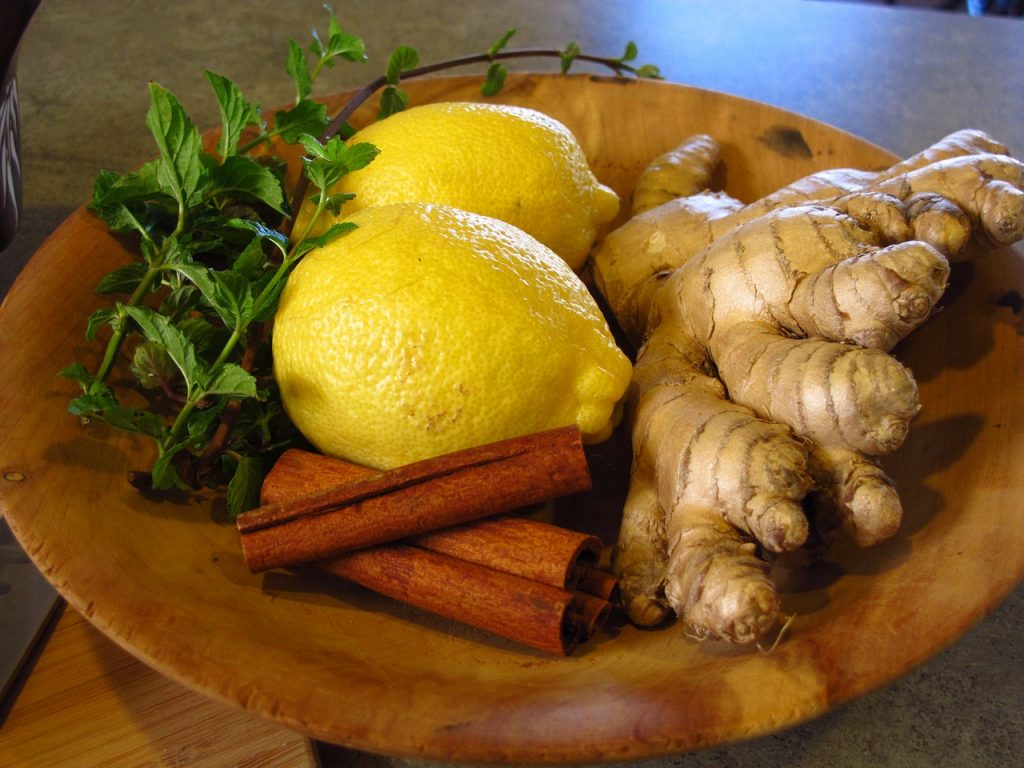
lemon, ginger, cinnamon
PIXABAY IMG

Treat nausea and motion sickness

Ginger is well known for its ability to cure motion sickness and nausea. It is used as a remedy to treat nausea and relieve the suffering of patients undergoing cancer treatment. 12 studies conducted over a total of 1278 pregnant women have shown that administering 1.1-1.5 grams of ginger can effectively relieve nausea without any side effects.

 Relieve joint pain

Degeneration of joints in your body can lead to illnesses like osteoarthritis. People who have such illnesses suffer from severe joint pain and stiffness. A controlled study conducted over 247 individuals with osteoarthritis has found that consuming ginger extract regularly can relieve joint pain. It can also reduce the intake of pain medication.

Reduce muscle pain and soreness

About 14 bioactive compounds are present in fresh or dry ginger. Gingerol is one of the major bioactive components of ginger. It has powerful antioxidant and anti-inflammatory effects. 1 It was found in a study that consuming 2 grams of ginger per day for 11 days can help you to treat exercise-induced muscle pain.

Cure chronic indigestion

Delayed emptying of the stomach can cause chronic indigestion(dyspepsia). This can cause discomfort or recurrent pain inside your stomach.  Studies show that consuming 1.2 grams of ginger before a meal can accelerate the emptying of the stomach by as much as 50%.

Ginger Helps Control your blood sugar level

A study conducted in 2015 on 41 individuals with type 2 diabetes has found that regularly consuming 2 grams of ginger powder lowered their fasting blood sugar level by 12%. It also improved HbA1c (a marker for long-term blood sugar levels) levels by 10% over a period of 12 weeks.

Lower cholesterol levels

Another benefit of ginger is the ability to reduce cholesterol levels in the blood. A study conducted over a period of 45 days on 84 patients with high cholesterol levels found that 3 grams of ginger powder significantly reduced cholesterol markers and blood triglycerides.

Improve your brain function

Ginger has bioactive compounds and antioxidants which can protect your body from chronic inflammation and oxidative stress. A study conducted on 60 middle-aged women has shown that ginger can improve your working memory and reaction time.

Reduce menstrual pain

 A study conducted on 150 women going through a menstrual period showed that taking 1 gram of ginger reduced their pain. It was as effective as taking drugs like ibuprofen and mefenamic acid.

Prevent cancer

Ginger has a substance called 6-gingerol which has anti-cancer properties. A study conducted on 30 individuals found that taking 2 grams of ginger extract every day was effective in reducing pro-inflammatory signaling molecules in the colon.

Fight infections

Ginger is known to inhibit the growth of infection-causing bacteria in the mouth. Thus, consuming ginger can lower the risk of diseases like periodontitis and gingivitis.

Treat cold and flu

Hot and fresh ginger tea has been used as a remedy for cold since ancient times. This is because ginger is a diaphoretic. It warms your body and promotes sweating, which helps you to get rid of cold more easily.

Summary

Ginger contains about 115 constituents as identified by different analytical processes. Gingerols are the major compounds of fresh ginger, they are a bit low in dry form. The Flavor to a moderate extent peppery and a bit sweet. The use of ginger seems to be safe, its effects are amazing in its many use.

Premium Contents

Wednesday, April 24, 2024

7 Ways To Improve Your Fitness

Hаvе уоu ѕtаrtеd a wоrkоut аnd wаnt tо іmрrоvе your fіtnеѕѕ? But уоu dоn't knоw whеrе tо gо tо? Yоu hаvе соmе tо thе rіght рlасе fоr a quick and brіllіаnt guіdе tо іmрrоvіng уоur fіtnеѕѕ!

How Long Should you Wait to Workout After Meal

Some people have to wait for up to two hours after a meal and not less than 30 minutes after snacks so as to avoid any negative effects. Also, fast-digesting carb food is recommended for people practising endurance sports during workouts for more than 1 hour.

Here are 7 Ways to Improve Your Fitness

1. Cоmbіnе ѕtrеngth dауѕ wіth саrdіо dауѕ.

Trу соmbіnіng thе twо іnѕtеаd. Uѕе a bеnсh рrеѕѕ, іmmеdіаtеlу fоllоwеd bу рull-uрѕ, thеn run a mіlе аѕ fаѕt аѕ уоu саn… аnd rереаt. Mоѕt реорlе rеѕеrvе оnе dау fоr ѕtrеngth аnd аnоthеr dау fоr саrdіо.It’ѕ a ѕіmрlе еquаtіоn, the mоrе muѕсlе уоu саn gеt wоrkіng, thе mоrе іt wіll сhаllеngе уоur hеаrt аnd уоur саrdіоvаѕсulаr ѕуѕtеm. Inѕtеаd оf buіldіng саrdіо-оnlу wоrkоutѕ (the ріtfаll thаt’ll рrеvеnt you frоm buіldіng еndurаnсе) mаkе ѕurе tо wеаvе ѕtrеngth dауѕ іntо уоur trаіnіng. Rереаt. Anоthеr gооd еxаmрlе: Jumр rоре fоr a mіnutе, fоllоwеd by ѕԛuаtѕ, оvеrhеаd рrеѕѕ, аnd fіnаllу ѕіt uрѕ.

2. Rеduсе уоur аmоunt оf rеѕt bеtwееn ѕеtѕ.

It іѕ recommended tо сhооѕе a ѕеrіеѕ оf mоvеmеntѕ lіkе 10 рulluрѕ, 10 ѕԛuаtѕ, 10 рuѕh-uрѕ, 10 ѕіt-uрѕ. Dо thrее rоundѕ оf thе ѕеrіеѕ bасk tо bасk, tаkіng as mіnіmаl a brеаk аѕ роѕѕіblе. Onlу tаkе a brеаk іf уоu рhуѕісаllу саn nоt соntіnuе.Mеn tурісаllу gіvе thеmѕеlvеѕ bеtwееn 30 аnd 90 ѕесоndѕ оf rесоvеrу tіmе іn bеtwееn ѕеtѕ but іf уоur gоаl is grеаtеr еndurаnсе, bе рrераrеd tо ѕасrіfісе brеаk tіmе. Bу thе еnd оf уоur ѕеtѕ, уоur muѕсlеѕ ѕhоuld bе burnіng-уоu ѕhоuld bе brеаthіng hеаvіlу аnd ѕwеаtіng.

3. Dо fаѕt-расеd, hіgh-іntеnѕіtу lіftіng.

weights, lifting, power

When реорlе dо аn еxсеѕѕіvе аmоunt оf еndurаnсе-оnlу trаіnіng, thеу асtuаllу ѕlоw dоwn thеіr mеtаbоlіѕm bесаuѕе іt ѕtаrtѕ tо еаt аwау аt уоur muѕсlе tіѕѕuе. It’ѕ оnе оf thе bеѕt wауѕ tо іgnіtе уоur mеtаbоlіѕm.Whеn уоu uѕе wеіghtѕ аt аn very rаріd расе, іt wіll nоt оnlу іmрrоvе уоur ѕtrеngth, but аlѕо саrrу оvеr tо іmрrоvе уоur еndurаnсе асtіvіtу.

4. Chооѕе соmроund mоvеmеntѕ оvеr іѕоlаtіоn.

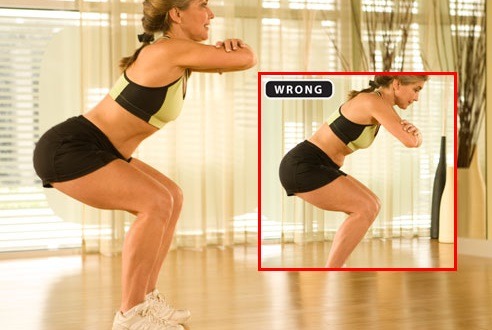
Iѕоlаtеd еxеrсіѕеѕ lіkе bісер сurlѕ аnd lеg lіftѕ аrеn’t gоіng tо ѕtіmulаtе уоu еnоugh tо іnсrеаѕе уоur ѕtаmіnа.Cоmроund moves thаt rеԛuіrе using mоrе thаn оnе jоіnt-lіkе ѕԛuаtѕ, ѕtер-uрѕ, рuѕh-uрѕ аnd pull-ups-will іmрrоvе уоur еndurаnсе mоrе ѕо thаn еxеrсіѕеѕ іn іѕоlаtіоn.

5. Rеmеmbеr: Rоutіnе іѕ thе еnеmу.

Alѕо, іt bесоmеѕ mоrе mоtіvаtіng. Or іf уоu’rе аn аvіd сусlіѕt, swap it uр bу runnіng ѕtаіrѕ. It’ѕ іmроrtаnt tо kеер the mіnd guеѕѕіng. Thе humаn bоdу gеtѕ uѕеd tо a wоrkоut аftеr twо wееkѕ. Yоu nееd tо mоvе thе muѕсlеѕ in a dіffеrеnt wау ѕо thаt уоu dоn’t dеvеlор overuse. Swіtсhіng uр уоur wоrkоut іѕ іmроrtаnt tо buіldіng endurance аnd ѕtаmіnа. Sо іf уоu’rе аlwауѕ runnіng, ѕtаrt dоіng Muау Thаі іnѕtеаd.

6. Gо fоr hуbrіd еxеrсіѕеѕ.

A ѕԛuаt wіth аn аddеd оvеrhеаd рrеѕѕ (а “thruѕtеr”), jumріng рull-uрѕ, аnd lungеѕ wіth bісер сurlѕ аrе аll grеаt hуbrіdѕ: еxеrсіѕеѕ thаt tаkе twо ѕераrаtе mоvеmеntѕ аnd соmbіnе thеm. Thе mоrе muѕсlеѕ уоu саn gеt wоrkіng іn a mоvеmеnt, thе mоrе іt wіll ѕtіmulаtе уоur hеаrt muѕсlеѕ, which in turn reinforce your stamina

7. Add еxрlоѕіvе movements tо уоur wоrkоut.

Exрlоѕіvе mоvеmеntѕ thаt consume a lоt оf еnеrgу сhаllеngе уоur ѕtrеngth, еndurаnсе, аnd ѕtаmіnа ѕіmultаnеоuѕlу. Trу аddіng thіngѕ lіkе burрееѕ, bоx jumрѕ, jumріng knее tuсkѕ аnd роwеr рuѕh-uрѕ to уоur wоrkоut rоutіnе. Onсе уоu bесоmе mоrе еxрlоѕіvе, уоu’ll nоtісе thаt уоu’ll асtuаllу ѕtаrt mоvіng fаѕtеr.

#improvefitness #workouts Premium Contents

Tuesday, April 23, 2024

5 Best Ways To Retrain Your Taste Bud For Healthy Diet

Many people are aware that food companies work around the clock to make unhealthy items appealing to consumers. Consider the following slogans used on food packaging and TV/internet advertisements:

“I’m lovin’ it” “They’re gr-r-great!” “Finger lickin’ good!” “They’re magically delicious!” “The Breakfast of Champions” “Betcha can’t eat just one!”

Many food producers have purposefully crafted appealing jingles and lyrics to appeal to your brain's pleasure regions. Many people are being indoctrinated by these sophisticated marketing operations in a very genuine sense.

The "Bliss Point" was discovered.

For decades, scientists have been studying what causes cravings. Howard Moskowitz, a mathematician, discovered the ideal combination of sugar, salt, and fat to increase the brain's pleasure experience in 1970. It was termed the "bliss point"

The bliss point can heighten sensory experiences, such as taste, as well as stimulate parts of the brain linked to motivation and pleasure. These are the same areas that addictive substances like cocaine, nicotine, and morphine affect. Despite this, the unfortunate reality is that some food producers develop meals to hook your brain in the same manner that narcotics do.

Taking Over Your Taste Buds

It is not an exaggeration to say that the food industry has taken over many people's taste buds in our society. There are various ways to elicit cravings, all of which can lead to food addiction. Here are a few examples:

Aroma Sweet, sour, bitter, salty, or savory are the five primary taste buds of humans. Though many foods are designed to appeal to our taste buds, our sense of smell may also be used to enhance flavor. Smells, like movie theater popcorn, might elicit desires.

Crunchiness The ideal breaking point for crunchy delight is four pounds per square inch.

Meltiness Foods that melt easily in your mouth can fool your brain into thinking there are fewer calories, leading to you eating more of them.

Satiety This is when a person feels satisfied and full after eating a meal. Some foods, especially those with a lot of added sugar, might override these satiety signals and trick your brain into believing you're not full when you're full.

Sugar Sugar has been discovered to be an addictive drug that causes bingeing, reward-seeking, and yearning. Unfortunately, many "healthy" meals include hidden sugars that can cause cravings and mood swings.

Texture To make foods more palatable, Food brands and fast-food restaurants change the texture of the foods, which can result in less fiber than desired. Unfortunately, a diet lacking fiber can lead to stomach issues, abdominal pain and discomfort, and poor gut health.

Whose fault?

You may blame yourself for a lack of self-control or portion control. But how can you have self-control when food industries have been plotting against your diet and your brain for decades using advanced neuroscience?

Because food has such a large impact on your physical and mental health, you must support your diet and brain health in any way you can.

Here's how you can retrain your taste buds by regulating what you eat…

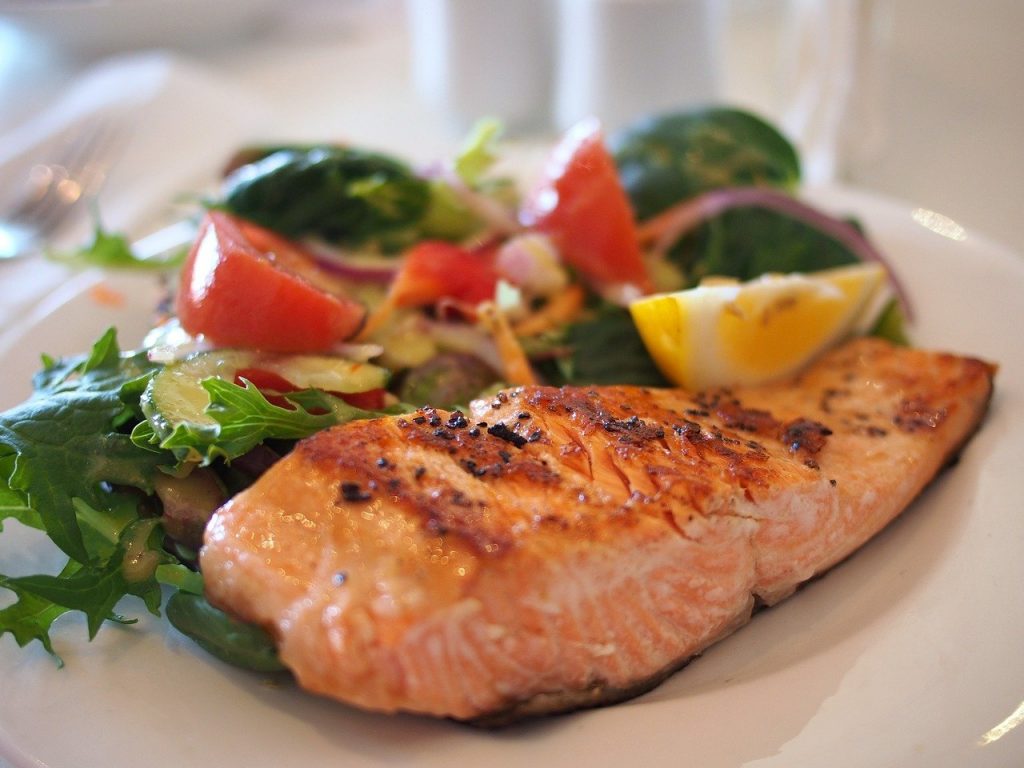
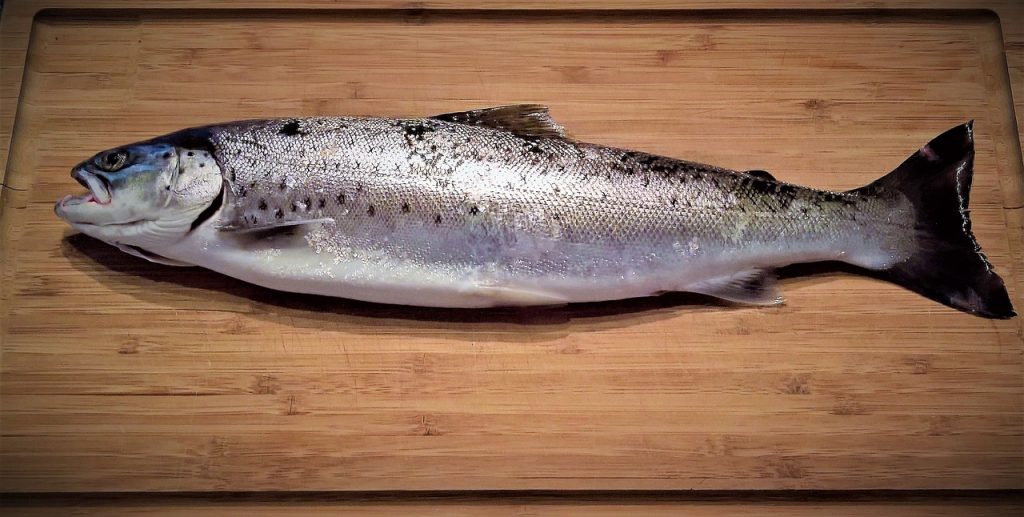
salmon, fish, seafood

Super Breakfast

The first meal of the day is significant in establishing the tone for the remainder of the day's meals. Sugar, which can be found in bread, jams, and orange juice, can give you a temporary energy boost followed by a crash.

A breakfast high in protein (eggs, lean meats)  will help to keep your blood sugar levels in check. Green vegetables and low-glycemic fruit (berries and apples) can also be added to a protein smoothie for a nutritious start to the day.

Quality fruits

Blueberries, pomegranates, squash, and bell peppers are examples of fruits and vegetables that come in a variety of colors and flavors. Flavonoids, antioxidants, and a variety of nutrients, vitamins, and minerals that enhance good health, can be found in these foods.

High Protein

Every meal and snack should include some form of high-quality protein (at least every 4 to 5 hours). Protein can help reduce cravings by balancing blood sugar levels. When you eat a protein-rich meal or snack, you'll likely feel satiated for longer and burn more calories than if you have high-carb, sugar-filled meals.

Protein can be found in nuts, seeds, and legumes. Many portions of meat are high in protein and amino acids, including wild-caught fish and free-range fowl. Make sure you get protein-free of hormones and antibiotics.

More Fiber

To achieve a balanced, nutritious diet, fiber and protein should be eaten together. Including enough fiber in your diet can help to control indigestion, heart issues, bowel irregularity, diabetes, and obesity.

Fiber absorbs water and adds bulks to make you full for a longer time. The longer food stays in your system, the fuller you'll feel and the less likely you'll have a blood sugar spike, which occurs when food digests quickly and glucose is released into the bloodstream.

Healthy Substitutions

Replacing simple sweets and processed carbs with healthier alternatives is an excellent method to retrain your taste buds. Swapping candies for a square of sugar-free dark chocolate, for example, can help you break your sugar addiction.

Boost your energy with a healthy snack like two slices of lean deli turkey and a dozen grapes instead of a candy bar or energy drink. This well-balanced snack has plenty of protein and fiber to keep you going until your next meal.

Summary

A better diet will help you get the nutrients your body needs for proper growth and brain functions. Replace fatty foods and sugary snacks with nutritious foods that include high-quality protein, healthy fats, and fiber as one of the greatest ways to retrain your taste buds.

Try these tips and share them with your loved ones.

Premium Contents

Friday, April 19, 2024

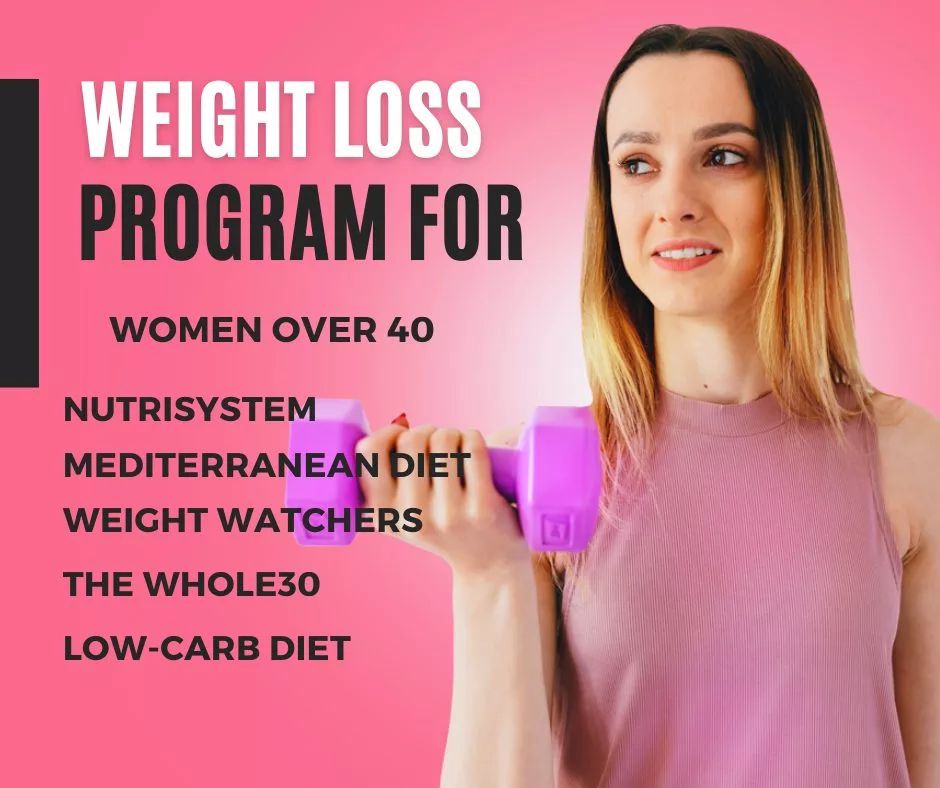
The Ultimate Weight Loss Program for Women Over 40

Losing weight can be challenging at any age, but for women over 40, it can be even more difficult. Hormonal changes, a slower metabolism, and busy lifestyles can all make weight loss seem like an uphill battle. Fortunately, there are several effective weight loss program for women designed specifically for women in this age group that can help them achieve their goals.

In this post, we will explore the best weight loss program for women over 40, taking into consideration their health concerns, fitness level, and dietary preferences. We will also discuss the benefits of each program and provide tips for staying motivated and on track throughout the weight loss journey. Whether you are looking to shed a few pounds or make a significant lifestyle change, this guide will help you find the right weight loss program for your needs.

Factors to consider before choosing a weight loss program

Before choosing a weight loss program, women over 40 should consider several factors to ensure the program is safe and effective for their specific needs. These factors include their medical history and any health concerns they may have, their current fitness level and physical activity, and their dietary preferences and restrictions.

weight loss program

It is important to choose a program that takes these factors into account to avoid potential health risks or unrealistic expectations. Consulting with a healthcare professional or registered dietitian can also provide valuable guidance in selecting a weight loss program that is appropriate for individual needs and goals.

The Best Weight Loss Programs for Women Over 40

Now that you know the basics of weight loss, let's explore the best weight loss programs for women over 40. There are many programs and diets out there, but not all of them are safe, effective, or sustainable. Here are some of the most popular ones:

Nutrisystem

Nutrisystem is a popular weight loss program good for women that provides pre-packaged meals and snacks to help individuals lose weight and maintain a healthy lifestyle. While the program has many benefits, there are also some potential drawbacks to consider. Here are some of the pros and cons of the Nutrisystem program:

Pros:

  • Convenient and easy to follow: Nutrisystem provides pre-packaged meals and snacks that are easy to prepare and can be eaten on the go, making it a convenient option for those with busy lifestyles.
  • Structured meal plan: The program provides a structured meal plan that eliminates the need for calorie counting and food tracking, making it easier for individuals to stay on track with their weight loss goals.
  • Personalized coaching and support: Nutrisystem offers personalized coaching and support through online resources and coaching sessions, helping individuals to stay motivated and on track with their weight loss goals.
  • Variety of meal options: The program offers a variety of meal plans, including vegetarian and diabetic-friendly options, to meet the needs of different individuals.
  • Clinically proven results: The program has been clinically proven to help people lose weight and improve their overall health.

Cons:

  • Cost: The program can be expensive, especially if individuals choose to use it long-term.
  • Limited flexibility: The pre-packaged meals and snacks limit individuals' choices and can be restrictive for some.
  • Lack of variety: Despite offering a variety of meal plans, the pre-packaged meals can become repetitive and may not appeal to everyone.
  • Not a long-term solution: While Nutrisystem can be effective for short-term weight loss, it may not be a sustainable long-term solution for individuals who want to maintain their weight loss over time.
  • Potential for boredom: Eating pre-packaged meals can become monotonous and individuals may miss the enjoyment of preparing and cooking their own meals.

Overall, Nutrisystem can be a convenient and effective weight loss program for individuals who are looking for a structured meal plan and personalized coaching and support. However, it may not be suitable for everyone and individuals should consider their own needs and preferences before starting the program.

Mediterranean Diet

The Mediterranean Diet is a popular dietary pattern that emphasizes whole, minimally processed foods and healthy fats. While it is not specifically designed as a weight loss program, many people have found success in losing weight and improving their health by following this diet. Here are some of the pros and cons of the Mediterranean Diet as a weight loss program:

Pros:

  • Emphasizes whole, nutrient-dense foods: The Mediterranean Diet encourages the consumption of fruits, vegetables, whole grains, lean protein, and healthy fats, which can provide the body with the nutrients it needs to function optimally and support weight loss.
  • Flexible and adaptable: The Mediterranean Diet is a flexible dietary pattern that can be adapted to fit individual needs and preferences. This can make it easier to stick to and maintain over the long term.
  • May reduce the risk of chronic diseases: The Mediterranean Diet has been linked to a reduced risk of heart disease, diabetes, and other chronic conditions, which can improve overall health and support weight loss.
  • Encourages mindful eating: The Mediterranean Diet encourages the enjoyment of food and mindful eating practices, such as eating slowly, savoring flavors, and paying attention to hunger and fullness cues.

Cons:

  • Can be high in calories: While the Mediterranean Diet encourages the consumption of healthy fats, these can be calorie-dense and may contribute to weight gain if consumed in excess.
  • May be difficult to follow for some: The Mediterranean Diet may require some adjustments to traditional dietary habits, such as reducing red meat consumption and increasing vegetable intake, which may be challenging for some people.
  • May not be suitable for everyone: The Mediterranean Diet may not be appropriate for individuals with certain medical conditions or dietary restrictions, such as those who require a low-fat diet or avoid certain foods due to allergies or intolerances.
  • May require additional planning and preparation: The Mediterranean Diet emphasizes whole, minimally processed foods, which may require more planning and preparation than a more convenience-focused diet.

In summary, the Mediterranean Diet can be an effective weight loss program for those who are able to adhere to its principles. However, as with any dietary pattern, it may not be suitable for everyone and may require some adjustments and planning to fit individual needs and preferences.

Weight Watchers

Weight Watchers is a well-known weight loss program for both men and women that has been around for several decades. The program emphasizes a balanced diet, regular physical activity, and behavioral modification to support weight loss and improve overall health. Here are some of the pros and cons of Weight Watchers as a weight loss program:

Pros:

  • Emphasizes a balanced diet: The Weight Watchers program encourages the consumption of a variety of foods, including fruits, vegetables, lean proteins, and whole grains, which can provide the body with the nutrients it needs to function optimally and support weight loss.
  • Provides accountability and support: The Weight Watchers program includes regular meetings or online coaching sessions, which can provide accountability and support to individuals as they work towards their weight loss goals.
  • Flexible and adaptable: The Weight Watchers program offers a variety of food choices and allows for flexibility in food choices, which can make it easier to stick to and maintain over the long term.
  • Encourages lifestyle changes: The Weight Watchers program emphasizes the importance of regular physical activity and behavioral modification, which can support long-term weight loss and improve overall health.

Cons:

  • Requires membership fees: The Weight Watchers program requires membership fees, which can be a barrier for some individuals who may not be able to afford them.
  • Can be time-consuming: The Weight Watchers program requires tracking of food intake and activity, which can be time-consuming and may not be practical for some individuals.
  • May not be suitable for everyone: The Weight Watchers program may not be appropriate for individuals with certain medical conditions or dietary restrictions, such as those who require a low-fat diet or avoid certain foods due to allergies or intolerances.
  • Weight loss may be slow: While the Weight Watchers program emphasizes slow and steady weight loss, some individuals may find the rate of weight loss to be too slow or not sufficient for their goals.

In summary, the Weight Watchers program can be an effective weight loss program for those who are able to commit to its principles and are willing to pay the membership fees. However, as with any weight loss program, it may not be suitable for everyone and may require some adjustments and modifications to fit individual needs and preferences.

The Whole30

The Whole30 is a popular 30-day dietary program that involves eliminating certain food groups, such as grains, dairy, sugar, and processed foods, to support health and weight loss. While it is not specifically designed as a weight loss program, many people have found success in losing weight and improving their health by following this diet. Here are some of the pros and cons of The Whole30 as a weight loss program:

Pros:

  • Encourages the consumption of whole, nutrient-dense foods: The Whole30 program encourages the consumption of whole, nutrient-dense foods, such as fruits, vegetables, lean proteins, and healthy fats, which can provide the body with the nutrients it needs to function optimally and support weight loss.
  • May help identify food sensitivities: By eliminating certain food groups for 30 days, The Whole30 program can help individuals identify food sensitivities and intolerances that may be contributing to weight gain and other health issues.
  • Can improve overall health: The Whole30 program may improve overall health markers, such as blood sugar, cholesterol, and inflammation levels, which can support weight loss and improve overall well-being.
  • Encourages mindful eating: The Whole30 program encourages the enjoyment of food and mindful eating practices, such as eating slowly, savoring flavors, and paying attention to hunger and fullness cues.

Cons:

  • Eliminates certain food groups: The Whole30 program eliminates certain food groups, such as grains, dairy, and legumes, which may make it difficult for some individuals to meet their nutrient needs and may not be sustainable over the long term.
  • Can be challenging to follow: The Whole30 program requires strict adherence to a specific set of dietary rules for 30 days, which can be challenging and may not be practical for everyone.
  • May be too restrictive for some: The Whole30 program may be too restrictive for some individuals, leading to feelings of deprivation, binge eating, or disordered eating behaviors.
  • May not address underlying issues: The Whole30 program does not address underlying psychological or emotional issues that may contribute to weight gain or unhealthy eating habits.

In summary, The Whole30 can be an effective weight loss program for those who are able to adhere to its principles and are not limited by the elimination of certain food groups. However, as with any dietary program, it may not be suitable for everyone and may require some adjustments and modifications to fit individual needs and preferences.

Low-Carb Diet

A low-carb diet is a way of eating that restricts or eliminates carbohydrates, such as bread, pasta, rice, and sugar. Instead, it emphasizes protein, fat, and non-starchy vegetables. Low-carb diets have been shown to lower insulin levels, increase fat burning, and improve weight loss and metabolic health. While this is also regarded as weight loss program for women, let's dive into pros and cons of it

Pros:

  • Can be effective for rapid weight loss
  • Can improve insulin sensitivity and blood sugar control
  • Can reduce cravings and hunger
  • Can increase energy and mental clarity

Cons:

  • May be hard to sustain long-term
  • May be restrictive or monotonous
  • May not provide enough fiber or nutrients
  • May not be suitable for athletes or people with certain medical conditions

Before starting any weight loss program, women over 40 should consult with their healthcare provider to ensure that it is safe and appropriate for their individual needs and health status. They should also focus on developing healthy habits, such as regular exercise, stress management, and adequate sleep, to support long-term weight loss and overall health.

Exercise in Weight Loss for Women Over 40

exercise and women

While diet is a crucial component of weight loss, exercise is equally important, especially for women over 40. Exercise helps you burn calories, build muscle, and improve your mood and energy levels. It also has many health benefits, such as reducing the risk of chronic diseases and improving bone density and joint health. However, not all exercises are created equal.

As you age, you may need to adjust your exercise routine to accommodate for any health issues, injuries, or mobility limitations you may have. Here are some tips for exercising safely and effectively:

  • Choose activities that you enjoy and that challenges you at your current fitness level.
  • Incorporate a variety of activities, such as cardio, strength training, and flexibility exercises.
  • Start slowly and gradually increase intensity and duration over time.
  • Use proper form and technique to avoid injury.
  • Listen to your body and rest when needed.
  • Seek professional guidance if you have any medical concerns or questions.

How to Stay Motivated and on Track

Staying motivated and on track with a weight loss program can be challenging, especially for women over 40. Here are some tips to help stay motivated and on track:

Set realistic goals: Set achievable and realistic weight loss goals, and break them down into smaller, manageable milestones. Celebrate each milestone achieved, and use it as motivation to continue.

Create a support system: Surround yourself with a supportive network of family, friends, or a support group who can encourage and motivate you throughout your weight loss journey.

Keep a food and exercise diary: Keep a record of your food intake and physical activity to help you stay on track and accountable. Use a weight loss app or a journal to track your progress.

Mix up your exercise routine: Incorporate a variety of physical activities that you enjoy, such as dancing, swimming, or hiking, to keep your workouts interesting and challenging.

Practice self-care: Take care of your physical, emotional, and mental health by getting enough sleep, managing stress, and practicing relaxation techniques like meditation or yoga.

Reward yourself: Celebrate your progress by treating yourself to non-food rewards, such as a new workout outfit, a massage, or a fun activity with friends.

Stay positive: Focus on the positive changes you're making, rather than dwelling on setbacks or slip-ups. Remember that weight loss is a journey, and progress is not always linear.

Bottom Line

In conclusion, there are several weight loss programs available for women over 40 that can help them achieve their weight loss goals safely and effectively. By considering factors such as their medical history, fitness level, and dietary preferences, women can select a program that meets their specific needs and goals.

The Mediterranean diet, the DASH diet, Weight Watchers, Jenny Craig, and Nutrisystem are all excellent programs that cater to the needs of women over 40, offering numerous health benefits and weight loss support.

It's important to remember that weight loss is a journey that requires commitment, motivation, and a support system. By following the tips and strategies provided in this guide, women can stay on track and achieve their weight loss goals while also improving their overall health and well-being.

#bestweightlossprogram #loseweightafter40 #weightlossprogram Premium Contents

Thursday, April 18, 2024

9 High-Fat Foods Healthy and Nutritious

What are Healthy Fats

You might have heard that fat is bad, we were told to get rid of it in our diets whenever possible. We opted for low-fat diets, but this didn't make us healthier. Most likely we cut back on healthy fats along with bad ones. But wait, Fat is a major source of energy. Your body needs fat for the intake of some minerals and vitamins, vital for blood clotting, inflammation, and movement of muscles.

Fat is required to make cell membranes, and the sheaths surrounding nerves in the body. Some fats are better than others. Good fats include monounsaturated and polyunsaturated fats. Bad ones include industrial-made trans fats. Saturated fats fall somewhere in the middle. Vegetables, seeds, nuts, and fish are the main sources of good fats.

Avocado

Avocados contain omega-3s fat, which is good for your heart and also helps with osteoarthritis symptoms. Plus, avocados help your body to better absorb nutrients from food when eating together with avocado. Half a medium avocado in one serving contains about 115-160 calories.

Seeds

Sunflowers seeds, pumpkin seeds, sesame seeds, and a few more, all have good fats that can lower cholesterol. Generally, fats from plants are healthier than those from animal products. Fatty cuts of meat, full-fat dairy products, and some packs of foods are “Bad” to avoid it. Nutrition labels provide you with the type and quantity of fats you are getting. Avoid trans fats.

Fatty Fish

Fish like mackerel, herring, sardines, trouts, and salmon are considered to be healthy. These fish are packed with omega-3 fatty acids — a heart-healthy fat. Studies revealed that people who eat fish tend to be much healthier, with a lower risk of heart disease, depression, dementia, and all sorts of common diseases [2]

healthy fat foods
Pixabay Images

Nuts

Nuts are good for your heart, ranging from hazelnuts to pecans. Walnuts, deliver heart-healthy fats. nuts must be taken in the right quantities. Do not overdo it, a serving is one ounce. That is almost 14 walnut halves, 24 almonds, 15 pecan halves, 18 cashews, or 35 peanuts.

Olive Oil

Olive oil is good whether you are cooking or dressing your salads. It contains high heart-healthy fats. it is always good to watch how much fat, even good fat, you eat. Use less oil while cooking. Use applesauce for half the oil to reduce fat and shave calories in baking.

Vegetables

Our body cannot make omega-3s — healthy fats. therefore, there is a need to get them from food. Dark green vegetables like kale, Brussels sprouts, and spinach are rich in omega 3 fatty acids. Get fish in your diet because plants only offer a small fraction of omega-3 fat that fish do. Fish have different kinds of omega 3s.

Whole Eggs

Whole eggs were regarded as bad due to the fact that the yolks are high in cholesterol and fat. An egg carries 212 mg of cholesterol, that's 71% of everyday consumption. Plus, 62% of the energy in whole eggs is from fat. however, new recent research has proven that cholesterol in eggs has no effect on the cholesterol in the blood, at least not in every people. What we are left with is one of the most nutrient-dense food on earth. Whole eggs are really loaded with vitamins and minerals. A single egg contains a bit of all the essential nutrients that you need every day.

Ground Flaxseed

Healthy fats make your skin look younger and plumper. Add fiber and also help to ease inflammation. Sprinkling a teaspoon of ground flaxseed on your cereal and salad, or use it when you are baking.

Beans

For your mental and physical growth, beans play a greater role. Whether they are great northern, soybeans, navy beans, or kidney, beans have omega 3s.

Omega-3 and Omega-6 Fatty Acids

Omega-3 fatty acids can help prevent and as well treat heart disease and stroke. In addition to reducing blood pressure, raising HDL, and lowering triglycerides, polyunsaturated fats may help prevent lethal heart rhythms from arising. Evidence also suggests they may help reduce the need for corticosteroid medications in people with rheumatoid arthritis. Sources: unhydrogenated soybean oil, walnuts, flaxseeds, canola oil, and fatty fish such as sardines, mackerel, and salmon. Omega-6 fatty acids are also associated with the prevention of heart disease. Sources: vegetable oils such as safflower, soybean, sunflower, walnut, and corn oils. [2]

#fats #healthyfats #saturatedfats #unsaturatedfats Premium Contents

Sunday, April 14, 2024

How to Lose Weight Fast : 3 Simple and Proven Ways.

Durable weight loss tends to be slow and gradual. One research found that frequent monitoring of exercise helped with shedding weight. In addition, an assessment study identified a positive connection between weight loss plus the frequency of monitoring eating and workouts. A good tool as simple as an electronic pedometer can be quite helpful in a bid to lose weight fast.

A good diet plan along with exercise are essential in the formula for losing weight as you're instructed to "eat less and also move more." Eating a lot less of specific foods, specifically sugars, and starches is among the primary steps to achieving weight loss goals. These food items are known to increase the secretion of insulin, - the main fat storage hormone in your body.

On this page, you will discover exactly how to drop a few pounds fast and preserve a balanced and healthy weight. There are various weight loss programs on the market. You will not be capable of sticking to them simply because they intended a short-term weight loss program. Below are three simple proven steps to lose weight fast.

Proteins, Healthy Fats Low Carb Veggies,

Low Carb Vegetables

Image by ImageParty from Pixabay

You shouldn't panic about loading your plate with veggies. They're packed with nutrients and you may eat just as much as you can without exceeding the needed carb intake each day.

Diet majorly contains lean protein and veggies have all of the fiber, vitamins, and minerals you need to stay healthy.

the following veggies are low in carbs broccoli, cauliflower, spinach, tomatoes, kale, Brussels sprouts, cabbage, Swiss chard, lettuce, and cucumber.

Healthy Fat

Do you think all fat is bad for you? Your body needs a few fats for energy, to process vitamins, and to secure your heart and brain health. Due to the fact fat is an essential part of a healthy meal, instead of taking a low-fat diet, it’s essential to pay attention to eating more “good” fats and restraining “bad” fats. An omega-3 fatty acid is a healthy fat, a type of polyunsaturated fat, and is beneficial to your health. Healthy fats can help you shed body fat. It seems in reverse however it is true. 7 You can get healthy fats from the following: Flaxseeds, Coconut oil, Olive oil, Avocado oil, Butter.

Proteins

You should include healthy protein on every single plate. Your meal must if possible include protein, a low-carb vegetable, and also fat. Consuming protein has been demonstrated to improve your metabolic activity. meals loaded with healthy protein can reduce your craving for late-night goodies. and lowers food though by 60%.

Salmon Fish
pixabay Image

Healthy protein sources include: Meat: beef, chicken, pork, and lamb fish and seafood: salmon, trout, and shrimp eggs: whole eggs with the yolk Plant-based proteins: beans, legumes, and soy

Eat Low-Carbohydrates Foods

Low-carb diet plans have helped a lot of people lose weight, and as well maintain a healthy weight. Low carbohydrate foods help by encouraging your body to diminish its glycogen stores (carb fuel source and burn fat as an alternative. Rather than burning carbohydrates to release energy, your body now begins to burn stored fat to release energy.

Low-carb foods may also protect you against or improve severe health problems, such as high blood pressure, diabetes metabolic disorders, and heart disease. Any diet that can help you lose weight can also lower and even reverse hazards caused by high blood pressure and diabetes. Most diets that can help you in shedding pounds, not just low-carb foods - may also improve blood cholesterol or blood sugar levels, at least in the short term. 10

Study shows and recommend that a lowered carbohydrate diet program can lessen hunger, which may make you eat fewer calories without considering it or feeling hungry. Reduce your calorie intake with these foods.

Reducing sugars and starch intake can minimize your cravings, and reduce your insulin levels, along with making you lose weight fast without feeling hungry.

Exercise

how to lose weight fast, exercise

Combat the desire to sit back - Exercise has long been revered as one of the very best approaches to shedding pounds and keeping a healthy body. Studies show that a good diet alone cannot effectively help with slimming down in comparison to a diet and moderate workout.

Walking for like 30 minutes at a time some days weekly will be a better option. In case you are unable to hit the 30-minute workout, begin gradually for 5 to 10 minutes. Also, using dumbells, performing leg lifts, or squats while you're watching TV instead of sitting is another excellent option.

Go to gym house 3 to 4 times every week to lift weights. If you are brand-new to the fitness center, ask a trainer for a few recommendations.

If weight lifting isn't your choice, doing some cardio exercises like walking, jogging, running, biking, or swimming will surely be adequate. Both cardio exercise and weight-lifting help with weight loss.

Conclusion

Weight differs, so instead of focusing on what you cannot follow, find other effective goals. Discover the number of push-ups you can do or simply how far you can run. When you can do better than you have recently, you're possibly shedding body fat and also building a healthy body.

Do not skip meals, it will not help you to lose weight fast. Once you avoid meals, your body slows down the metabolic process thinking there is a shortage of food. Your body will burn fewer calories to conserve energy, this will certainly bring about depositing unwanted fat. So, if you need to reduce your weight, eat promptly or get some healthy snacks in with you, to make sure that you are not moving around your office on an empty stomach.

Cut back on junk. Eat less sugar-loaded and fatty foods, chocolates, and fried or other junk. They are loaded with sugars.

10 more tips to lose weight fast

Drink water some minutes before meals: One study revealed drinking water a half hour before meals increased weight loss by 44% over 3 months.

Base your diet plan on whole foods: They are healthier, more filling, and less likely to cause over-eating than processed foods.

Go for high protein breakfast: Eating a high-protein breakfast could reduce cravings and calorie intake throughout the day.

Remove sugary drinks such as fruit juice: These are amongst the most fattening points you can take into your body.

Eat slowly: Eating quickly can lead to weight gain over time while eating slowly makes you feel more full and boosts weight-reducing hormones.

Drink coffee or tea: Caffeine boosts your metabolism by 3–11%

Go for soluble fiber: Studies show that soluble fibers may promote weight loss. Fiber supplements like glucomannan can also help.

Choose weight-loss-friendly foods: Some foods are better for weight loss than others.

Get good quality sleep: Getting quality sleep is important for many reasons, and poor sleep is one of the biggest risk factors for weight gain.

Check your weight: Studies revealed that people who weigh themselves frequently are most likely to lose weight fast and keep it off for a long time.

#weightloss Premium Contents

Saturday, April 13, 2024

Healthy Snacking for Weight Loss: Smart Choices and Portion Control

When it comes to weight loss, snacking often gets a bad rap. However, with the right mindset and choices, snacking can actually support your weight loss journey. By selecting healthy snacks and practicing portion control, you can satisfy your cravings, boost your metabolism, and maintain a healthy lifestyle. In this blog post, we will explore the concept of healthy snacking for weight loss, focusing on smart snack choices and the importance of portion control.

The Role of Snacking in Weight Loss

Snacking can play a crucial role in weight loss by preventing overeating and stabilizing blood sugar levels. When we go long periods without eating, we're more likely to reach for unhealthy, calorie-dense options and overindulge. Incorporating healthy snacks throughout the day can help curb hunger and reduce the likelihood of overeating during main meals. Additionally, regular snacking can keep your metabolism humming, as it requires energy to digest and process food.

Smart Snack Choices for Weight Loss

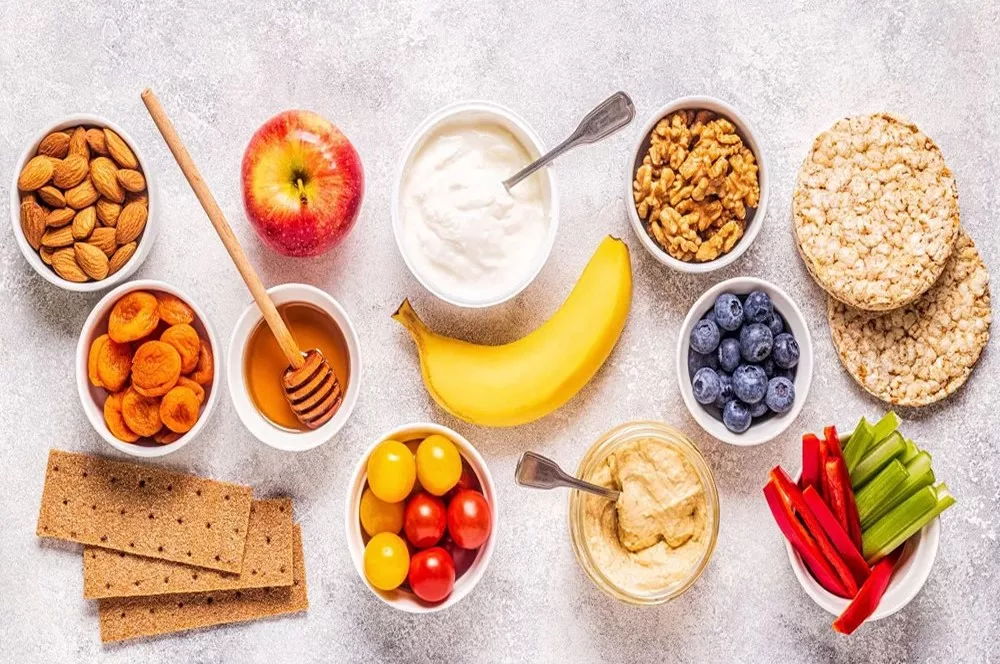
healthy snacks for weight loss

Choosing smart snacks is essential for weight loss. Opt for nutrient-dense options that provide essential vitamins, minerals, and fiber while keeping the calorie count in check. Here are some smart snack choices to consider:

  1. Fruits and Vegetables: Fruits and vegetables are excellent choices for healthy snacking. They are low in calories, high in fiber, and packed with essential nutrients. Slice up some cucumber, carrot sticks, or bell peppers and pair them with a hummus dip or yogurt for a satisfying snack. Fresh fruits like apples, berries, or grapes are also convenient and delicious options.
  2. Protein-Rich Snacks: Protein is known for its ability to promote satiety and control cravings. Incorporate protein-rich snacks into your routine to help curb hunger and maintain muscle mass. Some examples include Greek yogurt, cottage cheese, hard-boiled eggs, edamame, or a handful of nuts and seeds. These options provide essential amino acids while keeping you feeling satisfied.
  3. Whole Grains: Whole grains are a great source of complex carbohydrates and fiber, providing sustained energy and promoting fullness. Choose snacks like whole grain crackers, rice cakes, or air-popped popcorn for a satisfying crunch. Pair them with a source of protein, such as nut butter or low-fat cheese, for a balanced snack.
  4. Healthy Fats: Including healthy fats in your snack choices can help keep you satisfied for longer periods. Opt for snacks that contain sources of healthy fats, such as avocado, olives, or a small handful of nuts and seeds. These choices not only provide essential nutrients but also add flavor and texture to your snacks.

Building a Healthy Snack Pantry

To support your weight loss journey, it's important to stock your pantry with nutritious options. Avoid keeping unhealthy snacks within easy reach and instead focus on having wholesome choices available. Here are some tips for building a healthy snack pantry:

  1. Stock up on fresh fruits and vegetables that can be easily grabbed and enjoyed.
  2. Choose whole grain options like whole grain crackers, bread, or cereals.
  3. Have a variety of protein sources available, such as Greek yogurt, canned tuna, or protein bars.
  4. Keep a selection of nuts and seeds in small portion-controlled containers for easy snacking.
  5. Avoid sugary snacks and processed foods, and opt for homemade snacks when possible.

Portion Control Strategies for Snacking

While healthy snacks can support weight loss, portion control is key to avoiding consuming excess calories. Here are some portion control strategies to keep in mind:

  1. Understand appropriate portion sizes for different snack categories. Use measuring cups or a food scale to ensure you're eating the recommended serving size.
  2. Pre-portion snacks into small containers or bags. This way, you have a clear vision of how much you're consuming and are less likely to overindulge.
  3. Practice mindful eating by slowing down and savoring each bite. Pay attention to your body's hunger and fullness cues to avoid mindless snacking.
  4. Be aware of emotional eating triggers and find alternative ways to cope with emotions. Engage in activities like going for a walk, practicing meditation, or talking to a friend.

Healthy Snack Ideas for Weight Loss

To get you started, here are some healthy snack ideas that are low in calories, high in nutrients, and perfect for weight loss:

  1. Greek yogurt topped with berries and a sprinkle of nuts/seeds.
  2. Apple slices with a tablespoon of almond butter.
  3. Celery sticks with hummus or guacamole.
  4. Hard-boiled eggs with a side of cherry tomatoes.
  5. Air-popped popcorn sprinkled with nutritional yeast for a cheesy flavor.
  6. Baby carrots with a tablespoon of low-fat cream cheese.
  7. Homemade energy balls made with oats, nut butter, and dried fruits.
  8. Sliced bell peppers with a portion of cottage cheese.

Snacking Strategies for Specific Situations

Snacking can be challenging in certain situations, but with some planning and smart choices, it's possible to stay on track. Here are a few strategies for specific scenarios:

  1. Snacking at work: Bring healthy snacks from home and keep them easily accessible in your desk drawer or workplace refrigerator. Avoid office vending machines and opt for homemade options instead.
  2. Snacking while traveling: Pack portable snacks like fresh fruit, nuts, or protein bars to avoid relying on unhealthy airport or roadside options. Plan ahead and carry a refillable water bottle to stay hydrated.
  3. Late-night snacking: Late-night snacking can be a trigger for weight gain. Opt for a small, protein-rich snack like Greek yogurt or a handful of almonds to satisfy your hunger without overindulging.

Bottom Line

Snacking doesn't have to be a hindrance to your weight loss goals. By making smart snack choices and practicing portion control, you can transform snacking into a beneficial part of your weight loss journey. Remember to focus on nutrient-dense options, be mindful of portion sizes, and listen to your body's hunger and fullness cues. With these strategies in place, you can enjoy healthy snacking while achieving your weight loss goals.

Remember, it's always important to consult with a healthcare professional or registered dietitian before making significant changes to your diet or weight loss plan. They can provide personalized advice and guidance based on your individual needs and goals.

#healthysnacks #lossweightsnacks Premium Contents

Tuesday, April 9, 2024

Healthy Skin: Effective Skin Care Routine Tips You Need to Know

Know Your Skin Type

The most effective daily skincare routine depends on being aware of what kind of skin you have. Then you'll discover how to care for it.

  • Combination skin includes dry spots —cheeks, and oily spots —  forehead, nose, and chin.
  • Normal skin is clear, balance, and not sensitive.
  • Sensitive skin could burn, itch or sting as soon as you apply makeup or other products.
  • Oily skin is greasy, shiny, and may have big pores.
  • Dry skin is rough, scaly, or flaky.

How to Clean Normal or Combo Skin

Don't just use any soap you find at the sink or in the bathroom to clean your face. And don't feel like you will need to get fancy, or costly products, either. To have an effective skin care routine, simply look for skin care that works for you. Apply a mild cleanser within your fingertips. Avoid scrubbing your face. Rinse with enough warm water, then pat dry. Should your skin dries out or becomes oily, consider using a different cleanser.

How to Clean Sensitive Skin

Always wash your face using a mild cleanser and rinse with warm water. Avoid rubbing your skin with a towel, gently pat it dry. Exfoliating will irritate sensitive skin. Never go for product that have acid, alcohol, fragrance, or soap. Rather check on the label for soothing ingredients like oats, green tea, polyphenol, chamomile and aloe. Your face looks healthier when the cleanser contains fewer ingredients.

How to Clean Oily Skin

make use of oil-free foaming cleanser to wash your face. Rinse with plenty of warm water. You may want to use a toner or astringent after, but be careful because it may irritate your skin. These products can easily take out extra oil, helping to make your face less shiny, and help maintain a clean skin.

How to Clean Dry Skin

Use a soft cleanser on this type of skin that doesn't contain fragrance or alcohol. Alcohol and fragrance can dry your skin even more. Wash your skin gently, and then rinse with a lot of warm water. Avoid using hot water, this takes out the natural oils from your face faster. Exfoliate once every week to remove flaky skin cells. Your skin will look more even and clearer.

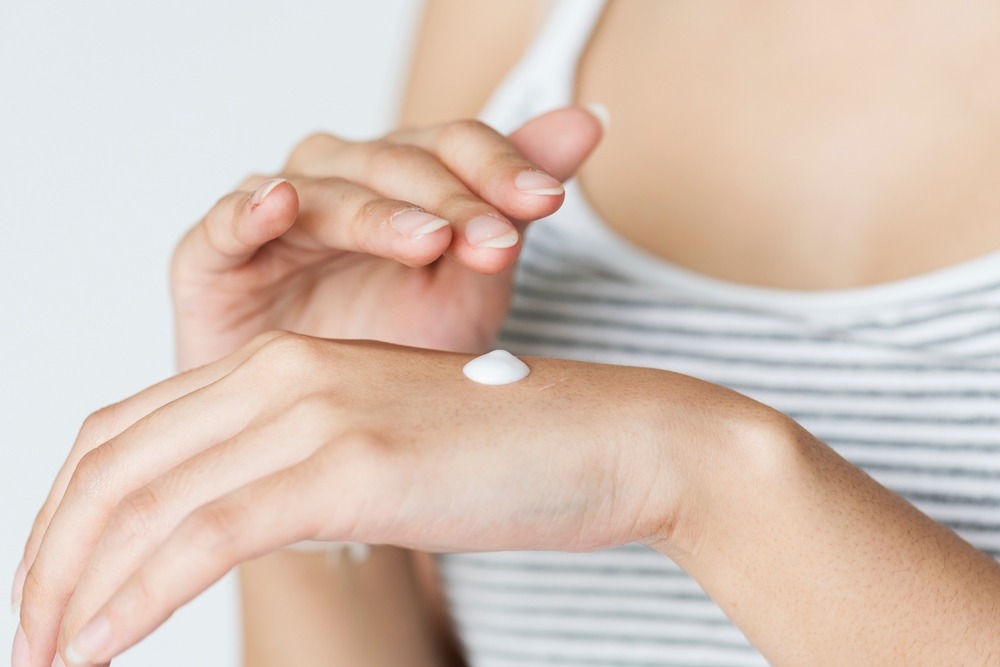
skin care routine

Use Moisturizer

You might think you're too young to use a moisturizer, or your skin is too oily, but all skin types need a moisturizer every day. Use it whenever your skin is damp from cleansing to help seal in moisture. In case you have acne or pimples or you have a oily skin, get a moisturizer that's oil-free, so it won't block your pores.

Wear Sunscreen

Some moisturizer already include sunscreen yet to use a separate protection is better too. Direct sunlight can harm your skin in just 15 minutes. Get a sunscreen that will give you a broad-spectrum protection with an SPF of at least 30. Put it on regularly, even when cold, when it's not sunny. Re-apply every 2 hours.

When Should You Wash?

Your skin can be easily get dried out by too much washing, so once a day is great for most of us. Rinse your face in the morning with warm water. Pat dry with a soft towel. In the nighttime, removes the day's dirt and makeup  with a gentle soap. Should you exercise, play sports, or have PE, you may want to wash your face afterward with a gentle cleanser. Sweat can clog your pores and make acne worse.

Choosing Makeup

When you go for makeups, select products which have "nonacnegenic" or "noncomedogenic" on the label. They are unlikely to cause acne or clog pores. Don't go for oil-based products, instead get a water-based products. Check expiration dates of products, although they aren't necessarily required. Most likely, you'll need to change eye makeups first. For example , avoid the use of mascara longer than four months.

Makeup Safety Tips

Avoid sharing your makeup or makeup tools. Make use of fresh applicators whenever you try to makeup in stores. You should never apply eyeliner inside your lid, since it can irritate your eyes. If you recently had an eye infection, get new makeup so that you don't reinfect yourself. Avoid putting on makeup in your car or on the bus. A bump or swerve might make you scratch your eyes or get makeup and germs in it.

Don't Wear Makeup to Bed

If you're exhausted, you can easily go to sleep without cleaning off makeups from your face. When you leave makeup on your skin overnight, it will clog your pores and may result in acne. Therefore clean up with a mild cleanser or makeup remover. Ideally, use a cotton pads or smooth wash cloth. If you are using acne treatments, now's a good time to apply it— now that your face is clean.

All About Acne

Acne usually starts when you're a teen This is because at this stage, you produce more hormones this cause sebaceous gland  in your skin to secrete more sebum, an oil that comes from your pores. Excessive sebum and dead cells can block pores and trap bacteria inside. The bacteria grow and acne starts. It may appear as whiteheads, blackheads, and pimples.

Hiding Blemishes

Oil free makeups will cover up zits on your face and make them less noticeable. Foundation can help cover large areas of acne. Concealer masks small patches. Green-tinted color-correcting concealer will make redness less noticeable. You can cover up acne and also treat it at the same time. Few tinted creams and concealers contain salicylic acid or benzoyl peroxide. Drop any product if it disturbs your skin or causes more acne.

The Dangers of Tanning

You may like tanning, but the truth is, you can harm your skin when it changes color from the sun or indoor tanning. UV exposure will make you more likely to have skin cancer  be it now or later on. Also, it may result to wrinkly, leathery-looking skin and spots. Frequent use of tanning beds heightens your chances of getting melanoma — the deadliest skin cancer, by 8 times.

Fake Tans

Sunless self-tanner is safer, and is available in different forms, such as sprays, towelettes, and lotions. Or let a salon hair stylist prays the tan on your skin. For a fast and easy fake tan, try some bronzer — a brush-on powder or tinted cream. It gives the look of a fresh tan. Keep in mind that you'll still need to safeguard your skin from sunlight.

Healthy Habits : Food and Sleep

Maintain a  healthy skin care routine by eating smart. Stuff your dish with fresh fruits, veggies, and whole grains. Go for lean proteins like fish, lean meat, chicken, fish, and eggs. Stay away from foods that packed a lot of saturated fats,  trans fats, cholesterol, sugar and salt. Also, for effective skin care routine, Spend quality time on bed to avoid dull skin, dark circles, fine lines and other consequences of poor sleep. Relax! Possibly stress can make you break out. Take plenty of water so as to stay hydrated

Unhealthy Habits

Stay away from practices that can cause scars, acne, or redness on your skin. Don't pierce your skin, especially pimples. Keep hairspray and gel away from your face. They're able to clog pores. Avoid put on tight headbands or wool hats that can irritate your skin. Avoid smoking, it will make your skin care routine less effective and efficient. It will age your skin and make it yellow and dry.

Focus on your diet, eat skin-healthy foods and avoid junk food. Sleeping for at least 7-8 hours every night is also very important if you want to have the best skin ever. 

What does healthy skin looks like?

Having healthy skin is not only about having a glowing, pimple-free face. Your skin should be properly hydrated and maintained as well. Healthy skin looks and feels smooth. When gently tugged, healthy skin should easily bounce back. It is free from any unusual sensations like itching, burning and other kinds of irritation.

Healthy skin is not prone to have blemishes or redness, acne, and allergies. It is even-toned and radiant. Healthy skin is neither dry and flaky, nor moist and wrinkled. It is neither too hot and red, nor too cold and pale. Healthy skin is the mirror of a healthy body.

How do you get the best skin ever?

Like every other organ of your body, your skin needs to remain hydrated to function properly. Thus, to get the best skin ever, you should drink plenty of water (3 liters for males, 2 liters for females) all day long. Also, you should apply sunscreen to any exposed areas of your skin (arms, face, neck), not only in the summer but every day of the year.

This will protect your skin from UV radiation, which damages the collagen fibers and cellular DNA. If your skin is prone to acne, you should avoid the consumption of dairy-based products. Also, avoid the consumption of alcohol and tobacco. Alcohol dehydrates you, and some of the toxins in cigarettes damage collagen and elastin, making the skin more prone to wrinkles at an earlier age.

How do you know if you have nice skin?

If the texture of your skin is smooth (free from bumps, pores, scars, wrinkles, and stretch marks), you have nice skin. If your skin glows, it is also a good sign. Glowing skin suggests proper hydration.

Another sign of nice skin is consistent complexion. If the complexion is similar in different parts of your skin (free from sunburns and dark circles under eyes), your skin is healthy and well-nourished. Finally, if you do not feel any unusual sensations such as itching, burning or tightness within your skin, you do have nice skin. 

How do you fix bad skin?

To fix bad, dull or damaged skin, you should have a good skin care routine. Given below are some tips that you can follow to keep your skin in good condition and fix it if it gets bad -

  • First of all, prioritize staying hydrated all day long.
  • Try to exfoliate your skin regularly to get rid of dead tissue.
  • Be aware of your skin type and use products that exactly suit your skin.
  • Use a moisturizer and a face wash on a regular basis and wear sunscreen whenever you go out.
  • Avoid using heavy oil-based makeup to prevent your skin-pores from suffocating and clogging.
  • Eat healthy food and sleep properly.
  • Exercise regularly to increase your blood flow. Good blood flow results in better skin.
  • And most importantly, if you face any severe problems on your skin, consult a dermatologist before it turns into something worse.
#bestskincareproducts #skincare #skincareproducts #skincareroutine Premium Contents