Saturday, March 30, 2024

What to Know About Erectile Dysfunction —Causes, Treatment and Prevention

What is Erectile Dysfunction

Erectile dysfunction is sometimes called impotence. This is when a man lacks the ability to have or keep an erection strong enough to have sex. Several men have this experience when they're stressed. Although periodical erection dysfunction is common. However, when this is frequent, it may be a sign of health problems, emotional, or relationship difficulties that need to be treated by professionals.

At the point of sexual excitement in a man, muscles in the penis relax, this caused the blood to flow through the penile arteries to fill the two tubes of spongy tissue inside the penis. As the chambers load up with blood, the penis becomes rigid. When the muscles contract, the blood, through the penile veins flows out. Thus, an erection ends.

What is the Main Cause Of Erectile Dysfunction

Factors such as health problems, emotional issues, and relationship difficulties are major players when it comes to erectile dysfunction. Causes include : diabetes kidney disease cardiovascular disease obesity using tobacco products high blood pressure consuming too much alcohol high cholesterol hormonal imbalance such as low testosterone level increased age stress anxiety depression relationship problems certain prescription medications, such as those used to treat high blood pressure or depression. Just one of these factors can lead to erectile dysfunction or some of them. This why you need to consult your doctor so as to treat any of the underlying health conditions.

Treatments of Erectile Dysfunction

The underlying causes of erectile dysfunction will determine the treatment and method your doctor will prescribe. You may need to combine medication with talk therapy.

Foods that help with Erectile Dysfunction.
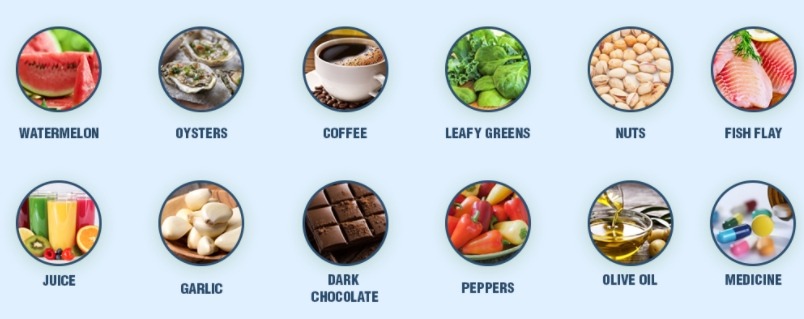
Can foods you eat be of help? Below is a list of foods that can help in the treatment of erectile dysfunction.

Oysters

Oysters can affect your sex drive by boosting your testosterone levels. They are also packed with zinc, but you may need to cook them to save yourself from other side effects, such as accumulation of zinc in your body. be certain of the source and that they are cooked very well.

Dark Chocolate

 Chocolates are high in flavanols, plant nutrients that make your body make more nitric oxide, increase blood flow, and lower blood pressure, this can help with erections. Dark chocolate is good for your heart, one ounce a few times per week can help your erection.

Nuts

Walnuts contain arginine, an amino acid that enables your body to make nitric oxide. Nuts are high in fiber and are a good source of vitamin E and folic acid. A few small handfuls in your diet daily are better. Note, Nuts have a lot of calories.

Watermelon

 This refreshing fruit contains a compound that has effects comparable to ED drugs on your blood vessels. Studies reveal that it can even revive your sex drive. 92 percent of watermelon is water, the rest contained an antioxidant, lycopene that aids the better performance of your heart, skin, and prostate.

Coffee

 Starting your day with a cup of coffee is more than a satisfying pick-me-up. Drinking just two cups of coffee may give your sex life a boost. A study revealed men who drank two, three cups of coffee daily were less to suffer erectile dysfunction. This is because the caffeine helps increase blood flow. Note, many sports drinks, teas, and sodas also contain caffeine.

Fish

Salmon is a great source of omega-3, heart-healthy fatty acids, that can increase nitric oxide in your body. 8 ounces of salmon in a week and other fatty fish can lower your blood pressure, prevent heart attack and blood clots.

Olive Oil

Olive oil help gets rid of the bad cholesterol, it is full of monounsaturated fat. It can also help your body to make more testosterone. Extra –virgin olive oil i.e, the olive is pressed without high heat or chemicals, this preserves the healthy antioxidant content.

Garlic

Garlic may be of help in erectile dysfunction. If the sticky deposit forms on arteries walls, blood flow could be cut off or reduced, which can boost your sex life. Add garlic to your diet, it will help clear the sheets in your arteries wall, keep it healthy as you age.

Peppers

You can spice up your sex life by adding a few chili peppers to your diet. The stuff in habaneros, jalapenos, cayennes, and other peppers help relax the arteries, help blood flow into the heart and other organs in your body which include the penis. Peppers can aid to lower blood pressure and cholesterol and prevent blood clots.

Greens

Leafy veggies are nutritional power-house. They are high in minerals, omega-3s, and vitamins. Kale, leafy green is a nitric oxide booster, they add possible benefits to your sex life.

Exercise — Can it Improve Erectile Dysfunction

Kegel exercises simply strengthen your pelvic floor muscles. How do you recognize your pelvic floor muscles? Stop peeing midstream, the muscles that help you to achieve this are your pelvic floor muscles. Contract them for 3 seconds, and then relax. do this over 10 to 20 times in a row, three times a day.

Moderate to vigorous exercises such as swimming and running are good options for your overall health. Thus, the blood flow rate becomes increased and efficient, possibly helping with erectile dysfunction.

How to Prevent Erectile Dysfunction

Creating healthy lifestyle is a major among other steps to help prevent erectile dysfunction. Such will not only improve sex health but also overall health. These are major prevention tips

Keep diabetes, heart disease, and other medical conditions under control. Look for help in case you're encountering depression or anxiety Eat healthy foods Ensure that you get good exercise on daily basis. Discover better approaches to manage stress Stop smoking. Keep your weight under control. Try not to utilize drugs that haven't been suggested by your physician. You should keep checkups with your blood pressure and cholesterol levels. Your doctor will be able to easily identify any underlying cause that can lead to erectile dysfunction.

#featured Premium Contents

Friday, March 29, 2024

7 Super Foods that Unclog Arteries Naturally and Prevent Heart Attack

What is Atherosclerosis

It describes the hardening of your arteries as a result of plaque formation. The main components of this plaque that build up in your arteries include calcium, cellular waste materials, fatty acids, cholesterol, and fibrin, a blood protein that aids in clotting. [1]

You risk the chance of suffering a heart attack or stroke when plaque blocks your arteries. Most likely, your doctor will advise eating a balanced diet and exercising frequently. So, If you exhibit symptoms of atherosclerosis, your doctor will probably prescribe a statin to lower cholesterol or a fibrate to lower triglycerides, along with a variety of different drugs. While several studies have shown that these drugs have adverse effects, they can also be used to treat or manage atherosclerosis.

The good news is, that atherosclerosis is preventable and even reversible in some cases. You can take charge of your health starting today.

Here are the 7 foods you'll want to eat more of, to clean your arteries.

These foods can not only prevent arterial plaque buildup, but they may also help unclog your arteries.

Garlic

Garlic is a real superstar when it comes to cardiovascular disease, which is the main cause of mortality for people in industrialized nations. No less than 220 different health conditions or symptoms can be treated or prevented with the use of garlic.

One study even found that the curative properties of this spicy cuisine could lower the risk of stroke by more than 50%.

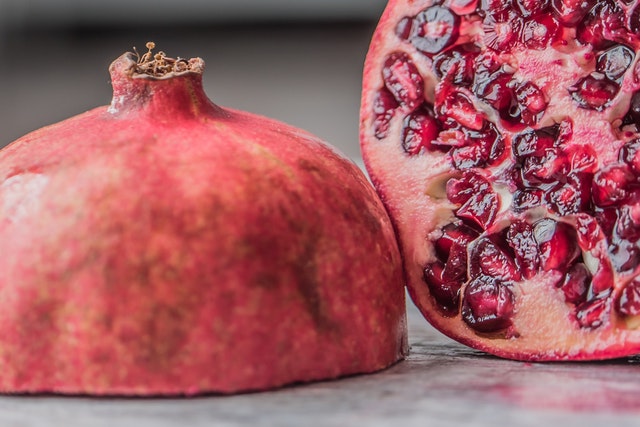
Pomegranate.

Photo by Jessica Lewis Creative

Despite the fact that not everyone like the pomegranate's somewhat acidic yet delightfully sweet flavor, numerous studies have shown that this fruit is an expert in removing plaque formation.

Pomegranate juice, which is high in polyphenols like tannins and anthocyanins, has been demonstrated in one research to reduce arterial plaque by as much as 30%. Additionally, it reduces blood pressure and boosts total antioxidant status (TAS) by 130%. It can slow the oxidation that leads to plaque development, according to a different study.

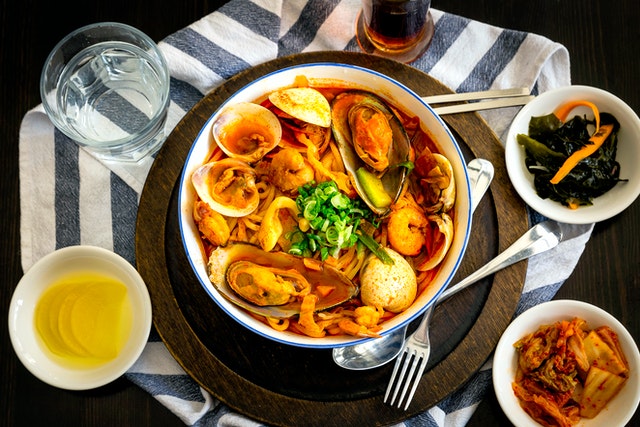
Kimchi

Photo by SenuScape

Fermented foods are without a doubt beneficial to your digestion and overall health. They are packed with probiotics that support a healthy gut, which is crucial for general health, according to studies.

Kimchi, a classic Korean meal prepared with fermented cabbage, is the ideal food to help decrease arterial plaque development when it comes to heart health and atherosclerosis. In fact, a study discovered that kimchi lowers LDL cholesterol and prevents plaque accumulation more effectively than a common statin.

The high probiotic content of kimchi aids in the elimination of any potentially hazardous toxins and poisons in your gut.

Numerous studies have demonstrated the ability of these incredibly extraordinarily friendly bacteria to both prevent and treat the symptoms of more than 200 different ailments.

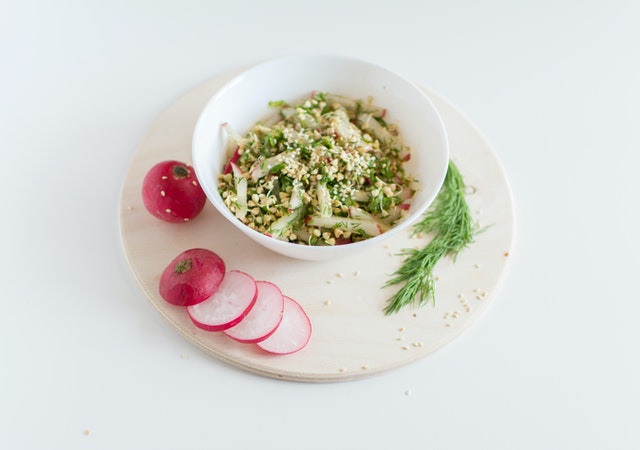
Sesame Seeds.

sesame
Photo by BULBFISH

The tiny seed has a unique flavor and is packed with nutrients, including selenium, Vitamin B1, Calcium, copper and manganese, iron, phosphorus, calcium, magnesium, zinc, molybdenum, and even fiber are all present in sufficient amounts in sesame seeds.

The remarkable compounds sesamin and sesamolin are the sources of sesame's heart-healthy qualities. They are known as lignans, and they can cut cholesterol significantly, lower blood pressure even further, and even raise vitamin E levels in tissues.

According to a study, consuming sesame seed oil daily for 45 days will help decrease your blood pressure naturally.

Sesame oil has been shown to protect against atherosclerosis, and according to a second study. Sesamin can shield your liver from oxidative damage, according to additional studies.

Remarkably, scientists even show this little seed is more effective than a popular medication for knee pain caused by arthritis.

Turmeric

tumeric

Turmeric is the best spice available for maintaining heart health. This brilliant yellow spice's main active component is curcumin, an extraordinarily potent polyphenol.

Turmeric would be the "wonder" substance if there ever was one. Numerous studies have demonstrated the potency of this cardio-protective spice when it comes to heart health.

One study demonstrates how turmeric can stop the artery damage typically brought on by blockages. Another study demonstrates that two months of daily curcumin use can considerably enhance your blood vessels' ability to operate. According to research, ingesting curcumin regularly lowers the risk of cardiovascular problems.

Vitamin B.

B1 (thiamine), B2 (riboflavin), B3 (niacin), and B5 are among the B vitamins (pantothenic acid) B6 (pyridoxine) B7 (biotin) B12 (cobalamin) Vitamin B12 All of them can typically be found in a single B-complex vitamin, albeit these aren't the ideal choice for long-term health.

Homocysteine, a naturally occurring amino acid, has recently been discovered to play a crucial role in heart disease by experts.

Homocysteine levels that are too high can harm your arteries and make blood clot more quickly. Blood artery blockages are more likely as a result, which increases your chance of developing heart disease. Fortunately, researchers also discovered that folic acid, vitamin B12, and vitamin B6 are potent inhibitors of heart disease. According to one study, 2.5 mg of folic acid,0.5mg Vitamin B12 and 25 mg Vitamin B6, can successfully reduce artery wall thickness and homocysteine levels.

Niacin and folic acid are also crucial for heart health, according to a study.

B vitamins, in short, may assist to reduce the risk of heart disease. The top sources of B vitamin-rich foods include,

whole grains (brown rice, barley, millet) Meat (red meat, poultry, fish) Dairy and egg products (milk, cheese) Legumes (beans, lentils) Nuts and seeds (sunflower seeds, almonds) Vegetables with dark leaves (broccoli, spinach, kai lan) Fruits (citrus fruits, avocados, bananas)

L-Arginine.

The amino acid, L-Arginine is the final natural remedy for unclogging arteries. Studies have shown that L-arginine can reduce arterial thickness by up to 24 percent.

This powerful amino acid is known to reduce inflammation, a major contributor to heart disease, among other significant health advantages.

L-Arginine also repairs blood vessels, fights congestive heart failure (CHF) and coronary artery disease, and even aids in lowering high blood pressure. It also reduces the chance of arteriosclerosis and heart attacks.

L-Arginine should absolutely be added to your list of all-natural ways to unclog arteries because it has been shown to be effective for 158 different disease treatments.

Foods high in L-Arginine

Meat (red meat, chicken, turkey). Fish (salmon, haddock). Nuts and seeds (almonds, cashews, pumpkin seeds). Legumes (soybeans, chickpeas). Whole grains (brown rice, oats). Dairy products (milk, yogurt, cheese)

This is just a small number of nature’s amazing substances to help reduce your risk of heart disease.

There are actually close to 300 natural substances known for heart health. Medications are not always the answer.

A healthy diet, and plenty of exercises, along with nature’s medicines, can go a long way to keeping you and your heart healthy for years to come.

#hearthealth Premium Contents

Monday, March 25, 2024

Vitamin D — 8 Impressive Benefits of Sunlight

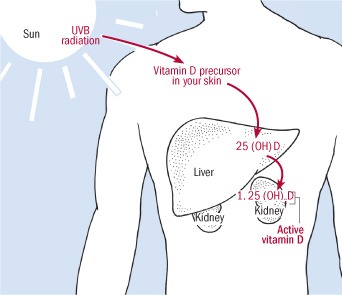
Sunlight is the ultimate source of energy on earth. Without it, life on earth is not possible. Human skin could make many vitmain D when exposed to the sunlight. Spending a few minutes every day out in the sunshine can provide you with a range of health benefits. It can also improve our mood and make us energetic. In fact, ancient Greeks used sunlight as a form of therapy called ‘heliosis’. Today, sunlight therapy is practiced in the west too and is known as ‘heliotherapy’.

Let us look at 8 amazing benefits of being in sunlight:

Cure seasonal affective disorder

Sunlight triggers the release of serotonin, which is an essential neurotransmitter responsible for controlling our feelings of happiness and well-being.

Inadequate exposure to sunlight can dip our overall serotonin levels. This can lead to a disorder called seasonal affective disorder(SAD). People with Seasonal affective disorder often go into seasonal depression.

Improve the Health of Your Bones

Frequent exposure to sunlight helps to increase the Vitamin D levels in your body. Vitamin D3 helps your body to absorb essential minerals like calcium and phosphorous which are needed to form strong bones in our body.

Low levels of vitamin D in your body during childhood can stunt the growth of a child. It can lead to several bone-related diseases like osteoporosis and osteomalacia. There is also an increased risk of fracture from an impact.

Improves your immune system

Studies have shown that regular exposure to medium intensity sunlight can give a boost to your immune system. A healthy immune system can protect you from various types of infections and pathogens.

Vitamin D
Source : Harvard Health

Improve the quality of our sleep

A hormone known as melatonin is responsible for your sleep cycles. Exposure to sunlight prevents the production of melatonin during the day. This leads to more efficient production of melatonin during night-time which helps to sleep better at night.

Prevent various skin infections

Too much sunlight can be bad for your skin due to the effects of ultraviolet radiation. However, dermatologists have found that moderate exposure to sunlight can actually prevent various skin related illnesses like eczema, psoriasis, and acne.

Reduces the risk of cancer

Excess time under sunlight can lead to skin cancer. However, research has found that optimal exposure to sunlight can prevent several conditions like colon cancer, prostate cancer, ovarian cancer, pancreatic cancer. This is all due to the effects of vitamin D.

Reduces blood pressure

A research conducted by the University of Edinburgh has found that exposure to sunlight can trigger the release of nitric oxide into our bloodstream. Nitric oxide is known to lower your blood pressure. Thus, if you suffer from high blood pressure or hypertension, spending a few minutes in the sun every day can help you to manage it.

Improve the health of your brain

Research has found that sunlight can have a positive effect on the health of your brain. Regular exposure to sunlight can help us to remain calm and controls the circadian cycle of our body. This protects us from excess stress and also protects us from neuro degenerative diseases. 

Premium Contents

Sunday, March 24, 2024

A Week Meal Prep Challenge: Jumpstart Your Healthier Lifestyle

Welcome to the 5-Day Meal Prep Challenge – your gateway to a healthier and more organized lifestyle! Meal prep is not just about saving time; it's about making conscious choices for your health, reducing food waste, and ultimately, achieving your wellness goals. In this challenge, we'll provide you with actionable tips and healthy meal plan ideas that will empower you to take control of your nutrition and set the foundation for a healthier you.

Day 1: Planning for Success

Before we dive into the kitchen, let's start with a solid plan:

  • Set Clear Goals: Define your health and wellness objectives, whether it's losing weight, eating more plant-based, or simply improving your overall nutrition.
  • Create a Realistic Meal Plan: Develop a meal plan that aligns with your goals and daily schedule. Consider your dietary preferences and restrictions.
  • Source Healthy Ingredients: Take time to shop for fresh, high-quality ingredients. Make a list and stick to it to avoid impulse purchases.

Day 2: Prepping Like a Pro

Now that you have a plan, it's time to get organized:

  • Gather Your Tools: Collect essential meal prep tools like sharp knives, cutting boards, containers, and kitchen gadgets.
  • Step-by-Step Prep Guide: Learn efficient meal-prepping techniques. Start with washing and chopping your ingredients, and then store them properly.
  • Time-Saving Tips: Discover tricks to streamline your meal prep process, such as multitasking and batch-cooking.

Recommended Post: 3 Simple Steps To Lose Belly Fat in Just A Week

Day 3: Breakfasts to Kickstart Your Day

Breakfast is the most important meal of the day; here are some healthy options:

  • Overnight Oats: Prepare jars of oats, yogurt, and fruits the night before for a quick, nutritious breakfast.
  • Smoothie Packs: Pre-pack your favorite smoothie ingredients in freezer bags for a convenient morning blend.
  • Egg Muffins: Make a batch of savory or sweet egg muffins for a protein-packed breakfast on the go.

Day 4: Lunches for Energy and Focus

Energize your day with these balanced lunch ideas:

  • Salad Jars: Layer salad ingredients in Mason jars to keep them fresh and crisp until lunchtime.
  • Grain Bowls: Prepare quinoa or brown rice with lean protein, veggies, and your choice of sauce.
  • Wrap and Roll: Make wraps or rolls with whole-grain tortillas and fillings of your choice.

Day 5: Dinners That Impress and Nourish

End your day with flavorful and nourishing dinners:

vegetables, cool backgrounds, ingredients-7102900.jpg
  • Sheet Pan Dinners: Toss your favorite protein and veggies with seasonings, then bake on a single sheet for minimal cleanup.
  • Slow Cooker Meals: Set it and forget it! Slow cooker recipes like chili or stew are perfect for busy evenings.
  • Stir-Fry: Quickly stir-fry lean protein and colorful vegetables with your favorite sauce.

Day 6: Snacks and Treats for Sustained Energy

Don't forget the importance of healthy snacking:

  • Fruit and Nut Bars: Make your own bars with dried fruits, nuts, and a hint of honey.
  • Greek Yogurt Parfaits: Layer yogurt with berries and granola for a satisfying snack.
  • Homemade Popcorn: Popcorn is a whole-grain snack; customize it with various seasonings.

Day 7: Reflecting on Your Journey

As the challenge comes to an end, take time to reflect:

  • Evaluate Your Experience: Consider what worked well and what didn't. Adjust your meal prep routine accordingly.
  • Long-Term Planning: Use the lessons learned during this challenge to establish sustainable meal prep habits.
  • Resources for Success: Explore additional resources, such as meal planning apps, cookbooks, and online communities, to support your journey. Check More at GoodHouseKeeping

Bottom Line

Congratulations on completing the 5-Day Meal Prep Challenge! By taking the time to plan, prep, and prioritize your nutrition, you've already taken significant steps toward a healthier lifestyle. Remember, meal prep is not a one-time event; it's a lifelong skill that can transform your relationship with food and your overall well-being. Share your success stories and connect with others on this journey toward a healthier you. Keep up the good work, and happy meal prepping!

Premium Contents
Wednesday, March 20, 2024

Drinking Water — Benefits and Facts You Need to Know

How Much Water do you need?

The amount of drinking water required daily differs from person to person, based on how active they are, what amount of sweat they have, and the like.

There is no particular amount of drinking water that must be taken on a daily basis, but there is general agreement on what a healthy fluid intake is.

The Institute of Medicine suggested that an adequate daily fluid intake is: About 125 ounces of fluids a day for men. About 91 ounces of fluids a day for women. You could have enough water balance in the body unless you undergo rigorous exercise or heat stress for a long time. [2]

Water Foods

water foods

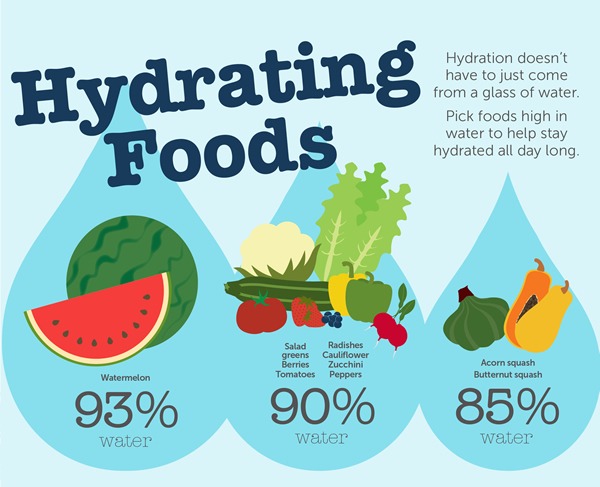
Averagely people get about 20% of their water for the day from food. Watermelon is 93% of water, Apple fruit is 65% water Berries is 90% water. Salad is 90% water, also, other veggies such as Broccoli, Tomatoes, Cauliflower, Radish are 90% water. Banana is 70% of water. Even foods that you might not think of as moist -- American cheese is 28% water, ground beef is about 53% water even a slice of white bread is 40% water.

When do you Get Dehydrated

Having exercise in hot, humid weather can get you dehydrated easily. Shorten your workouts or exercises during hot weather and cover-up

On average, you should take a rehydration break at least every 20 minutes. Most people would stay adequately hydrated by drinking about 7 to 10 ounces of fluid every 10 to 20 minutes during exercise. But your exact need depends on things like how hard you're working, whether you are indoors or outdoors, and your age, gender, and weight.  It's also helpful to drink two cups of fluids (about 17 to 20 ounces) about two to three hours before a workout.

Alcohol

Alcoholic beverages have the most dehydrating effect. Coffee and other caffeinated drinks do make you urinate more, but overall, they're hydrating because of their water content. Juices, sodas, and other sweet drinks also are hydrating. Drinking water is usually a better choice for hydration because it doesn’t have extra calories.

How much fluid you need depends upon several things, including:

  • Age: Kids need plenty of fluids; they can get dehydrated much more easily than adults. Older people may need more fluids because of health conditions or because they tend to lose their sense of thirst.
  • Gender: Men need more fluids than women. (Pregnant women need more fluids than other women.)
  • Weight: Heavier people need more water.
  • Health: Conditions such as diabetes, cystic fibrosis, and kidney disease can boost your need for fluids.
  • Environment: You need more fluids in extreme weather conditions (especially hot, humid, or cold) and at high altitudes.

You lose about 10 or more cups of water every day just living: breathing, sweating, urinating, etc. Eating and drinking usually make up for it.

Watch

An easy way to monitor your hydration level is to check the color of your urine. The darker your urine, the less hydrated you are. Drink enough fluids to keep your urine a lighter color. If your urine is clear or pale, chances are you are well hydrated.

Other practical ways to monitor your hydration status include keeping an eye on your body weight (you lose weight as you lose water) and perspiration (the more you perspire, the more water you're losing).

Why is Water Important

Water helps in the circulation of essential nutrients to all parts of the body especially muscle cells which reduced muscle tiredness. Water has detoxification benefit and also aid digestion. Water could help with weight loss. Studies show that by drinking water, people tended to eat and drink fewer calories, probably because the water filled them up. As a result, they lost weight. Both studies were short-term, however, and it's unknown if the results would have held up over a longer time. Sodium is something your body needs when you're trying to rehydrate, either during or after exercise. That’s why sports drinks are often rich in sodium -- one of the “electrolytes” your body loses during exercise. Drinks and snacks with sodium also can trigger thirst and help you retain fluids. But too much salt can raise your blood pressure and worsen heart conditions in some people.

Get Too Much

It is possible to have too much drinking water. Healthy kidneys in an adult can process anywhere from 20 to 1,000 milliliters of fluid per hour. It's not easy to overload them, but it can happen. Getting too much water, especially in a short time, is dangerous. Symptoms of too much water include weight gain, bloating, nausea, and vomiting. Sudden cases of water intoxication can cause low blood sodium, which can result in headaches, confusion, seizures, and coma.

Water in your Body

The human body is mostly water: up to 60%, on average (and depending on how well-hydrated you are). Water makes up about 73% of the brain and heart, 79% of muscles, 64% of the skin, and 31% of bones. It helps move nutrients, get rid of waste, keep your temperature at the right level, lubricate and cushion joints, keep your skin moisturized, and lots of other things.

Signals you are dehydrated

Thirst is one of the first warning signals that you may be getting dehydrated. But don't rely on thirst alone. Other early signs are fatigue, flushed skin, faster breathing and pulse rate, and trouble exercising. Later signs include weakness, dizziness, and labored breathing. If you think you're becoming dehydrated, you should move to a cool place and rehydrate. Drink fluids slowly -- drinking too fast can stimulate urination, resulting in less hydration.

Rehydration

Drinking water is usually enough to rehydrate unless you're exercising really hard or for a long time. Sports drinks may replace more lost fluids because athletes enjoy the taste. Athletes should drink between 16 and 24 ounces of water or other fluid for every pound they lost during their workout.

#benefitsofdrinkingwater Premium Contents
Tuesday, March 19, 2024

What are 5 Proven Foods That Help Manage Your Blood Pressure

World Health Organization said the number of adults aged 30-79 years with high blood pressure has increased from 650 million to 1.28 billion in the last thirty years. [1]

According to Joy Bauert a nutritionist, there are certain foods you can actually eat to help you manage your blood pressure.

What exactly defines high blood pressure imagine this our blood carries oxygen and nutrients throughout our body using a network of these tiny little vessels they're like small tubes now as the blood travels it exerts pressure on the vessel walls which are known as blood pressure if the pressure gets intense it's high blood pressure.

Blood Vessel A, is a normal healthy blood vessel. Soft and flexible allows blood to flow effortlessly. but arteries thicken and harden with age as a result of plaque buildup. The consequence is narrow, stiff arteries, and they increase

Blood Vessel B, this vessel demonstrates high blood pressure. Distressed, there's plaque within the wall so it's a narrowed space, and also this wall will have a hard time. Stiffed, hardened, and contracting but it'll exert a lot of energy. Another thing is if this guy or gal who owns this vessel takes in a lot of salt, salt draws in water and increases the volume which will then increase the blood pressure even further.

The foods that actually help you manage your blood pressure the first one people are going to like the sound of is

Cocoa Powder

Photo by samer daboul:

Everybody seems to know the virtues of dark chocolate but the real hero is the cocoa powder that's within the dark chocolate because that's where all the flavonols are housed. That's what helps to keep our blood vessels healthy and elastic.

Pick up some cocoa powder you could put it in smoothies you could put it in oatmeal you can also put a little bit of your morning coffee. It is delicious and healthy for your blood vessel.

Spinach

This is another key food it's a triple threat. High in potassium, magnesium, and folate. Potassium is a sort of anti-sodium. Sodium draws in water, potassium flushes it out, and flushes the sodium out. Instead of lettuce on a sandwich put spinach leaves. Also, if you have a simmering pot of soup on the stove or marinara sauce dump those spinach leaves, in stir it. It's extra yummy and is a great idea.

Garlic

Garlic is another one. Does it have to be raw garlic? No. It could be powder it could be mince garlic or roasted garlic. Garlic has two active ingredients one is called allicin which keeps the lining of the cells healthy. Another active ingredient that acts as an ACE inhibitor, is a prescription medication but there are no side effects. Roasting garlic is one of the most delicious things ever and it's super easy.

White Beans

All beans are great for your heart because they have protein, fiber, potassium, and magnesium. But I am highlighting white beans as the superhero here because they have the added benefit of calcium and calcium.

White bean helps our blood vessels to contract and dilate. If you make a soup, instead of using cream to thicken it up you can add a white bean (get a can of white bean, puree it) and it is delicious.

Pumpkin

Finally, pumpkin is loaded with potassium remember pea for pumpkin pea for potassium flushes out that sodium and fluid and you can take canned pumpkin puree it's available year-round and you can make a nice pumpkin pudding.

Include these five great ingredients in your diet to help you manage your blood pressure.

If you love this post kindly share it with others check our other wellness tips below.

Premium Contents

Friday, March 15, 2024

Brain Health Habits — How to Keep Your Brain Healthy and Active

Psychiatrist Daniel G. Amen, M.D., Double Board-Certified psychiatrist and brain-imaging expert, gives us much food for thought and motivation in his Public Broadcasting special program Use Your Brain to Change Your Age. In this program, he shares with us his experience of having performed more than 70,000 brain scans on patients over the last 20 years from 90 different countries. He has seen time and time again successes where brains were in various stages of deterioration and by going through a brain-healthy program were able to reverse the damage and prevent Alzheimer's disease and other dementia-related illness. Dr. Amen recommended three steps to brain health: Love your brain; avoid things that hurt it; give it things that help it. That's it.

You can play an important role in your brain health You can also have a significant impact on your friends and loved one's brain health, too. Start by sharing healthy tips with those you love. Engage in regular brain-healthy habits. From using food as medicine to learning a new dance step or participating in a creative writing workshop.

Diet plays a great role in brain health. The brain is like any other organ that is susceptible to (foods) that can protect against oxidation damage. These (good) foods act like little tiny fire extinguishers that help put out those fires that otherwise would cause damage leading to loss of brain function.

Here are healthy Habits that keep your brain healthy and active

Photo b y Kindel Media from Pexels

Use all your senses

The more you engage your senses in learning a new thing the more your brain is involved in keeping the memory. In a study, emotionally neutral images were displayed to adults along with a smell. they were not informed to keep the memory of what they saw. Later, they show them a set of images, this time without odors, and asked to identify which they had seen before. They had excellent recall for all images that are odor-paired, and especially those images associated with pleasant smells. Brain imaging shown that the piriform cortex, the main odor-processing region of the brain, became active when people saw objects originally paired with odors, even though the smells were no longer present and the subjects hadn't tried to remember them. Therefore, exercise your senses as you learn new things.

Don't skimp exercising or sleeping

Exercise increases oxygen levels in your brain and prevents memory loss and heart diseases. At the same time, exercise enhances the effects of brain chemicals and protect damage brain cells. Sleep deprivation can occur in brain functions and are not able to operate fully which reduces creativity, problem-solving skills as well as critical thinking skills. Remember sleep is necessary for memory consolidation.

Memory-friendly diet

You can eat to boost memory and brain health. You may have heard of the MIND diet (Mediterranean-DASH Intervention for Neurodegenerative Delay), which uses a combination of diets to boost brain function. It consists of monounsaturated fat (good fat), omega-3, and plenty of fruits and vegetables. In studies, the MIND diet shown to slow down cognitive decline.

Eat Whole Grains

Rich in complex carbohydrates, fiber, and omega 3 fatty acids, whole grains release glucose slowly into the bloodstream so that your brain gets a steady boost of energy. They can also promote mental alertness and improve your overall mood. Try steaming or preparing them in a rice cooker. Some examples include bulgur, brown rice, barley, whole-wheat couscous, and quinoa.

Add lutein to your diet.

Lutein is an important natural antioxidant that helps maintain healthy eyes and supports brain health as we age. Dark leafy green vegetables (kale, spinach, collards, and turnip greens), egg yolks, peas, and corn are superfoods when it comes to providing lutein. Lutein is also available as a supplement.

Eat a diet rich in vitamin E.

Vitamin E helps support brain health. Milk, butter, eggs, vegetable oils, nuts, whole grains, wheat germ, and dark leafy greens like spinach are rich in Vitamin E. Also, you can take it as a supplement.

Antioxidants Foods

like broccoli, blueberries, spinach and berries, and Omega-3 fatty acids - like fish, can do great wonders for your brain and memory. Rather than having 3 large meals, eat 5 or 6 small meals throughout the day. 8 Antioxidants and What They do for You

Omega-3

Omega-3 fatty acids play a critical role in helping the brain function and build gray matter. A breakdown in communication between the brain and muscles leads to scoliosis. Omega-3s help supports the effective treatment that requires retraining the brain to correct postural defects. Seafood, baked, grill, or saute some salmon, mackerel, kippers, or trout. These are oily fish with high levels of omega-3 fatty acids that contribute to healthy brain function and reducing memory loss.

Eat Halibut

Noted for its firm texture and clean taste, halibut is a good source of protein. It's also rich in selenium, phosphorus, vitamin D, and several B vitamins (niacin, vitamin B6, and vitamin B12). [3] Regular consumption of halibut will reduce the risks of developing cancers of the kidneys and colorectal. By decreasing high blood pressure, A cooked half-filet (160 grams) of halibut, which is the recommended serving size, provides over 100% of your daily dietary needs 

Avoid Stress

When you are stressed, the brain releases a chemical called cortisol which adversely affects your memory and other brain functions. So if you are frequently stressed out you will find it tough to recall long-term memories - you'll have that feeling that your mind has gone blank - even when the answer should be obvious. Cortisol also diverts glucose in the blood to muscles and away from the brain, so your hippocampus is again deprived of oxygen.

Summary

Healthy food, good exercise, and good sleep all are essential for a healthy and functioning brain. You can prevent memory loss, reverse the damage and prevent Alzheimer's disease and other dementia-related illnesses. Pursuing a hobby, learning a song, dance step, new skill, will keep you mentally active. When you stop learning, your brain cells begin to die.

Premium Contents

Thursday, March 14, 2024

Protein-Packed Meal Prep: Fueling Your Fitness Goals

Are you looking to supercharge your fitness journey? The path to a healthier, stronger, and more energetic you starts with what you put into your body. Nutrition plays a pivotal role in achieving your fitness goals, and one of the most important components of a balanced diet is protein. In this blog post, we will delve into the world of protein-packed meal prep and explore how it can be a game-changer for anyone striving for fitness excellence. We'll also provide you with a treasure trove of healthy meal prep ideas to get you started on the right track.

The Power of Protein

  1. Understanding the Importance of Protein in Fitness
  2. Protein isn't just for bodybuilders; it's essential for anyone working towards a fitter, healthier lifestyle. Protein is the building block of muscles and is crucial for muscle repair and growth. It also revs up your metabolism, helping you burn calories more efficiently, and reduces your appetite, making it easier to stick to your nutrition plan.
  3. Recommended Daily Protein Intake
  4. The amount of protein you need depends on various factors, including your age, gender, activity level, and fitness goals. We'll help you calculate your daily protein needs so you can tailor your meal prep accordingly.
  5. Sources of High-Quality Protein
  6. Discover a variety of protein sources, from lean meats and poultry to plant-based options like tofu, tempeh, and legumes. We'll also explore dairy and dairy alternatives for those who prefer a different approach to protein intake.
  7. Protein-Rich Snacks for On-the-Go Fitness Enthusiasts
  8. For those busy days when you need a quick protein boost, we've got you covered with delicious and portable snack ideas.

Benefits of Healthy Meal Prep

  1. Time and Money Savings Learn how meal prepping can save you time and money while ensuring you always have nutritious meals at your fingertips.
  2. Portion Control and Calorie Tracking Gain control over your portion sizes and track your calorie intake with ease through meal prepping.
  3. Consistency in Nutrition Consistency is key in any fitness journey. Meal prepping helps you stay on track by providing a consistent source of balanced meals.
  4. Reducing Food Waste and Promoting Sustainability Discover how meal prep can help you reduce food waste and contribute to a more sustainable, eco-friendly lifestyle.
  5. Reducing the Temptation of Unhealthy Options By having prepped meals readily available, you'll be less likely to succumb to unhealthy, convenience-driven food choices.

Planning Your Protein-Packed Meal Prep

protein meal prep
  1. Setting Clear Fitness Goals Begin your meal prep journey by setting clear and achievable fitness goals.
  2. Calculating Your Protein Needs We'll walk you through the process of calculating your daily protein requirements based on your specific goals.
  3. Choosing Recipes That Align with Your Goals Explore a selection of protein-packed recipes tailored to different fitness objectives.
  4. Creating a Meal Plan and Shopping List Learn how to plan your meals for the week ahead and create a shopping list to streamline your grocery trips.
  5. Selecting the Right Containers and Storage Techniques Ensure your prepped meals stay fresh and safe with the right containers and storage methods.

Protein-Packed Meal Prep Ideas

  1. Breakfast Options Fuel your mornings with protein-packed breakfast ideas, such as overnight oats with Greek yogurt and berries, protein smoothie packs, and veggie-packed egg muffins.
  2. Lunch and Dinner Options Discover delicious lunch and dinner recipes, including grilled chicken with quinoa and roasted vegetables, a nutrient-rich lentil and chickpea salad with tahini dressing, and succulent baked salmon with sweet potatoes and asparagus.
  3. Snacks and Sides Elevate your snack game with protein-rich Greek yogurt, edamame and hummus, and energy-boosting protein balls.

Meal Prepping Tips and Tricks

  1. Batch Cooking and Freezing Save time by batch cooking and freezing meals for later.
  2. Pre-cutting and Washing Ingredients Reduce prep time by pre-cutting and washing your ingredients in advance.
  3. Using Seasonings and Sauces Keep your meals interesting with a variety of seasonings and sauces.
  4. Proper Labeling and Rotation of Meals Stay organized and avoid food waste by labeling and rotating your prepped meals.
  5. Staying Organized with a Meal Prep Schedule Learn how to create a meal prep schedule that fits seamlessly into your routine.

Maintaining Freshness and Quality

  1. Proper Storage Guidelines Understanding the intricacies of proper storage is paramount in preserving the flavors and nutrients of your meals. Dive deep into the specifics of refrigeration and freezing, exploring optimal temperatures and storage durations to keep your meals at their peak.
  2. Reheating Tips Ensuring your meals taste as delectable as the moment they were prepared. Explore advanced reheating techniques, such as sous-vide methods and oven reheating, to elevate the dining experience.
  3. Avoiding Common Meal Prep Mistakes Identify potential pitfalls that could compromise the quality of your meals and discover proactive measures to steer clear of these issues.

Bottom Line

In conclusion, protein-packed meal prep is your secret weapon for achieving your fitness goals. By understanding the importance of protein, reaping the benefits of healthy meal prep, and implementing our planning, cooking, and storage tips, you'll be well on your way to a healthier, stronger, and more energized you. Start your meal prep journey today and watch your fitness goals become a reality.

Additional Resources: Healthy Meal Prep Ideas For Weight Loss

Premium Contents

Sunday, March 10, 2024

The Benefits of Yoga: Nurturing Mind, Body, and Spirit

Originating as a spiritual practice millennia ago, today Westerners primarily engage in yoga for exercise or stress relief. Yoga is a practice that unites the body, mind, and spirit. Through a combination of physical postures, breathing exercises, and meditation, it aims to enhance overall well-being.. In this extensive guide, we'll explore the profound benefits of yoga and delve into how it enhances the mind, strengthens the body, and nourishes the spirit.

Physical Advantages of Yoga

Increased Flexibility

Yoga's gentle stretches and poses are designed not only to improve flexibility but also to expand your body's range of motion. Elevate these benefits by gradually deepening into poses like the Triangle Pose and the Dancer's Pose. Consistency is key, as the body responds positively to regular, mindful stretching.

Strength Building

Yoga's strength-building benefits can be further amplified by holding poses longer and incorporating more challenging variations. Progress from Warrior I to Warrior III, engaging core muscles for increased stability. Add in dynamic sequences like Sun Salutations to enhance muscular endurance and overall strength.

Improved Posture

Beyond the mat, yoga's impact on posture can be intensified by focusing on alignment during poses. Heighten this advantage by incorporating balancing poses like the Eagle Pose and the Tree Pose, which not only strengthen your core but also encourage proper spinal alignment.

Mental Benefits of Yoga

Stress Reduction

The stress-relieving properties of yoga can be enhanced by incorporating mindfulness meditation. Take a few moments in each pose, especially during Savasana, to focus on your breath and quiet the mind. Consider adding aromatherapy or calming music to deepen the relaxation experience.

Enhanced Focus and Concentration

To amplify the mind-focusing benefits of yoga, practice concentration techniques during poses. The Tree Pose is an excellent opportunity to concentrate on a fixed point, sharpening your mental focus. Gradually extend the duration of concentration for a more profound impact.

Emotional Well-being

Yoga's positive impact on emotional well-being can be deepened by integrating meditation into your practice. Consider guided meditation or mindfulness exercises after your physical practice to promote emotional balance. Poses like Bridge Pose and Camel Pose can be practiced with affirmations for emotional release.

Spiritual Advantages of Yoga

Mind-Body Connection

To enhance the mind-body connection, approach each pose with mindfulness and intention. Incorporate breathwork, such as Ujjayi Pranayama, into your practice to deepen this connection. Explore advanced poses like Crow Pose, where balance and mental focus are paramount.

Inner Peace and Tranquility

Cultivating inner peace through yoga can be intensified by creating a dedicated, tranquil space for your practice. Use calming props like bolsters and blankets during poses like Supported Child's Pose to enhance the sense of serenity. Regular meditation, focusing on the present moment, can also deepen feelings of tranquility.

Recommended Post: The Health Benefits of Pu-erh Tea: What Science Says

Increased Self-Awareness

To amplify the self-awareness benefits of yoga, incorporate journaling into your practice. Reflect on your thoughts and feelings after each session, noting any shifts in awareness. Explore advanced poses like Pigeon Pose with mindful breathing for a more introspective experience.

Getting Started: Beginner Poses and Routines

yoga class

Warm-up Poses

Before diving into poses, enhance your warm-up routine by incorporating dynamic movements like Sun Salutations. This not only warms up your muscles but also promotes a seamless flow between poses.

Basic Yoga Poses for Beginners

For beginners, focus on refining your alignment in foundational poses. Use props like blocks and straps to support proper form. Gradually progress from basic poses to more advanced variations to continually challenge your body.

Simple Yoga Routines

Sample beginner routines are provided, offering a foundation for holistic practice. To further enhance your routine, consider integrating mindfulness or meditation at the beginning or end. Gradually increase the duration and complexity of your routines as your comfort and confidence grow.

Bottom Line

Yoga is a dynamic journey of self-discovery that extends far beyond the physical. Embrace the myriad benefits it offers for your mind, body, and spirit, and consider the ways in which you can deepen each advantage. Whether you're a beginner or an experienced yogi, the transformative power of yoga awaits. Begin your enriched journey today and witness the profound impact on every aspect of your life.

#benefitsofyoga #yoga #yogaclass Premium Contents

Saturday, March 9, 2024

The Best and Worst Juice for Your Health

Juice: What’s In Your Glass?

Everyone enjoy cool glass of fruit juice. Sweet taste, vibrant color, and it is good for you. Not so fast, say dietitians. The best kind of juice supply you with some nutrients, no clear difference between the worse juice and liquid candy. You have to know the difference.

The 100% Fruit Juice Dilemma

100 percent fruit juice is a good source of nutrients like potassium and vitamin C, but too much juice can serve as other source of sugar and calories. Many expert recommend sticking to one juice serving a day. Since juice does not contain the same fiber and nutrients that raw fruits have.

Best Choice: Vegetable Juice

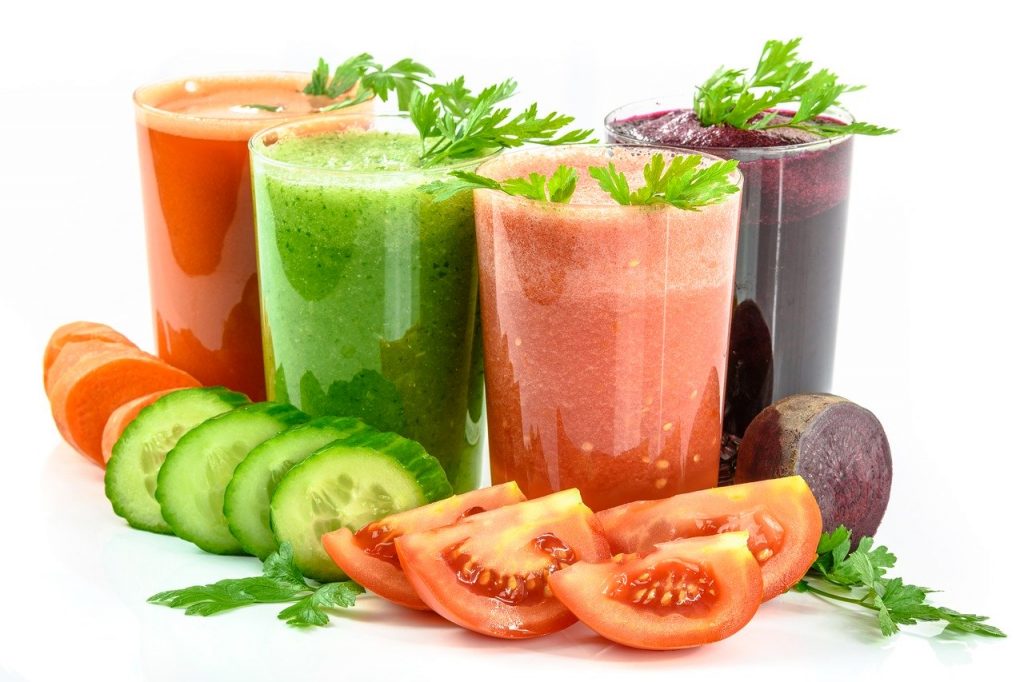
Drinking veggies is good and convenient for you. Beet juice may help lower the risk of high blood pressure. Lycopene in tomato juice may help curb the risk of prostate cancer. Pulpy vegetable juice can still retain some fiber but not as much as raw vegetables.

vegetable juices, vegetables, secluded
PIXABAY

Good Choice  — Acai Berry Juice

Acai juice is made from a berry found in South America. Acai pulp seems to contain a higher concentration of antioxidants than blackberries, cranberries, blueberries, or strawberries,

Worst Choice  — Juice ‘Cocktails’

Avoid juice cocktail, and juice-flavored beverage. Most of which contain very small amounts of real juice. Nutritionally, their main ingredients are usually sweetener such as high-fructose corn syrup, water and very small amount of juice. These are rich in sugar and calories, but low in nutrients. Water is a better option.

Good Choice — Pomegranate Juice

Do you want to know which juice offer the biggest nutritional payoff per sip? Pomegranate juice tops the list. It is high in calories and sugar, but rich in antioxidants. Pomegranate juice have a higher concentration of antioxidants than green tea or red wine.

Good Choice — Cranberry Juice

Cranberry juice contains vitamin C which is needed by your immune system. Also, when you drink unsweetened cranberry juice, helps prevent the accumulation of bacteria that cause urinary tract infections in humans.

Good Choice — Red Grape Juice

Red grape juice also contain flavonoids and resveratrol, as you have probably heard of red wine. Both are good for your heart. The key is that, the juice and red wine both are made with the entire grape: skin, seed and all.

Good Choice — Prune Juice

Prune juice have always being used to relieve constipation. It is effective because it is a good source of fiber and contain sorbitol, a natural laxative. Prune juice is also packed with antioxidant, potassium, and iron.

Good Choice — Orange Juice

Orange juice contain high proportion of vitamin C, calcium, and vitamin D, which help your bones. Unsweetened orange juice has fewer calories than some grape or berry juice. It also contain fewer antioxidants than grape, pomegranate, and blueberry juice.

Kids and Juice

Almost all children like juice, but do not give them too much. The American Academy of Pediatrics recommends no more than 4-6 ounces of 100 percent fruit juice per day for children below 6, and 8 to 12 ounces for ages 7-18.

Go for Whole Fruit

whole fruits

 An alternative to drinking too much of fruit juice is to eat the whole fruit. You will get all the nutrients present in the fruit’s flesh and pulp, also the fiber will help you feel full and curb your hunger.

#bestandworstjuice #juice Premium Contents

Tuesday, March 5, 2024

10 weight loss tips to Consider in 2023

Drink water before meals

Drinking water before a meal can be an effective weight loss strategy as it can help you control appetite and promote feelings of fullness. Research has shown that when you drink water before eating, you'll reduce the amount of food consumed during the meal and promote a reduction in overall caloric intake.

Additionally, drinking water can increase your body metabolism, which can help you burn more calories and thereby support weight loss. [1]

It's important to note that while drinking water before a meal can be a useful tool for weight loss, it should be part of a comprehensive approach that includes a balanced diet and regular physical activity. Drinking water should not be relied upon as a sole method for weight loss and it should be consumed in moderation as part of a healthy and balanced lifestyle.

Eat fiber-rich foods

Including fiber-rich foods in your diet can be an effective strategy for weight loss. Fiber is a type of carbohydrate that is not digested by the body, which means it passes through the digestive system relatively unchanged. This property makes fiber-rich foods filling and satisfying, which can help you control appetite and reduce overall caloric intake.

Fiber also helps to slow down the digestion of other foods, which can regulate blood sugar levels and reduce the risk of overeating. Additionally, fiber-rich foods are often low in calories, which makes them a great option for those looking to lose weight.

Good sources of fiber include whole grains, fruits, vegetables, legumes, and nuts. It's important to remember that while fiber can be a helpful tool for weight loss, it should be part of a balanced diet that includes a variety of healthy foods and regular physical activity.

Reduce portion sizes

Reducing portion size is a simple and effective weight loss strategy. By paying attention to portion sizes, you can eat satisfying meals while still managing your calorie intake. A helpful approach is to use a food scale or measuring cups to ensure that you're eating appropriate portions.

Also, using smaller plates and bowls can also help to reduce portion size as they can give the illusion of a larger meal. It's important to remember that reducing portion size is just one part of a comprehensive approach to weight loss, and should be combined with a balanced diet and regular physical activity for best results.

Avoid sugary drinks

cocktail, drink

Avoiding sugary drinks is an important weight loss strategy as they are a major source of empty calories in many people's diets. Sugary drinks, such as soda, sports drinks, and sweetened tea and coffee, are high in calories and low in nutrients, meaning that they provide a lot of energy without providing any health benefits.

Consuming sugary drinks can lead to weight gain over time as they contribute to an overall increase in caloric intake. Also, sugary drinks can also lead to insulin resistance and other metabolic problems, which can make it difficult to lose weight.

A better alternative to sugary drinks is water, which is calorie-free and essential for hydration. If you are looking to lose weight, it is a good idea to avoid sugary drinks and choose healthier beverages instead.

Cut out processed foods

Cutting out processed foods is a powerful weight loss strategy as these foods are often high in calories, sugar, and unhealthy fats. Processed foods are typically high in sodium, which can contribute to water retention and bloating.

Futhermore, many processed foods are also low in fiber, making them less satisfying and easier to overeat. By reducing or eliminating processed foods from your diet, you can reduce your overall caloric intake and improve your diet quality.

Instead, focus on eating whole, unprocessed foods such as fruits, vegetables, whole grains, and lean protein sources. These foods are more nutrient-dense, and they can help to keep you feeling full and satisfied, reducing the urge to overeat and leading to weight loss over time.

Increase physical activity

Excercise is a crucial component of any weight loss plan. Regular physical activity can help to boost your metabolism, burn calories, and build lean muscle mass. By increasing the amount of physical activity in your life, you can help to increase the number of calories you burn on a daily basis, leading to weight loss over time.

Also, physical activity can also improve your mental health and reduce stress, which can help to prevent overeating. There are many different types of physical activity that you can engage in, such as running, cycling, swimming, or weightlifting. The key is to find an activity that you enjoy and that you can stick with over the long term. Aim to engage in at least 30 minutes of moderate physical activity, such as brisk walking, most days of the week to see the best results.

Get enough sleep

Getting enough sleep is an important factor to consider when trying to lose weight. Sleep deprivation can affect hormones that regulate hunger and fullness, leading to an increase in appetite and cravings for high-calorie, sugary foods.

Lack of sleep can also reduce the amount of energy you have, making it harder to engage in physical activity and leading to a decrease in overall calorie burn. Aim to get 7-9 hours of sleep each night to promote weight loss and overall health.

Establishing a regular sleep routine, such as going to bed and waking up at the same time each day, can also help to regulate your body's natural sleep-wake cycle and improve the quality of your sleep. A good night's sleep can not only help you maintain a healthy weight, but it also has numerous other benefits, such as improved mood, increased energy, and better overall health.

Avoid eating late at night

Late-night eating can lead to overeating, as well as an increase in calorie consumption and weight gain. When you eat late at night, your body is winding down and preparing for sleep, making it less effective at burning calories and more likely to store excess calories as fat.

Late-night eating can disrupt your sleep, which can have negative effects on weight loss and overall health. To avoid late-night eating, try to eat your last meal of the day at least 2-3 hours before bedtime. This will give your body enough time to digest the food and avoid disrupting your sleep. Instead of snacking at night, focus on eating healthy, balanced meals throughout the day, and find alternative ways to relax or unwind in the evening, such as reading, taking a bath, or meditating. By avoiding late-night eating, you can improve the quality of your sleep and achieve your weight loss goals.

Avoid skipping meals

Avoiding skipping meals is an important weight loss tip. Skipping meals can lead to overeating later in the day and can also slow down your metabolism. When you skip a meal, your body goes into a "starvation mode" and conserves energy, making it harder to lose weight.

Skipping meals can also lead to feelings of fatigue and low energy, making it harder to stay active and burn calories. Instead of skipping meals, focus on eating regular, balanced meals and snacks throughout the day. This will help to regulate your hunger levels and prevent overeating. Eating smaller, more frequent meals can also help to keep your metabolism working at an optimal level, allowing you to burn more calories and achieve your weight loss goals.

By avoiding skipping meals and eating a balanced diet, you can maintain steady energy levels and promote healthy weight loss.

Reduce Stress

Reducing stress can play a crucial role in weight loss. Stress triggers hormonal imbalances that can lead to overeating and weight gain. To reduce stress, consider incorporating stress-reducing activities into your daily routine such as yoga, meditation, deep breathing, or exercise.

Getting enough sleep, engaging in hobbies, and spending time with loved ones can also help reduce stress. It is important to find what works best for you and make it a habit to incorporate it into your daily life for long-term stress management and a healthier approach to weight loss.

Bottom Line

While weight loss is important for a number of health reasons, it can often be difficult to lose weight. In particular, people who are struggling with weight issues may be tempted to seek weight loss solutions that are not

A variety of factors can affect weight loss, including your genes, age, gender, diet, exercise habits, and physical stress.

However, there are a number of effective strategies that you can use to help you lose weight and keep it off for good. The best weight loss program is one that you can stick with for the long-term.

To make weight loss easier and more successful, try to keep portions small and limit sugary drinks. Additionally, it's important to exercise regularly and increase physical activity levels. If you have a weight loss goal, try to incorporate all three of these weight loss strategies into your weight loss program.

Focus on slow and steady weight loss through a balanced diet and regular exercise. Consult a healthcare professional before starting a new diet or exercise program.

Premium Contents