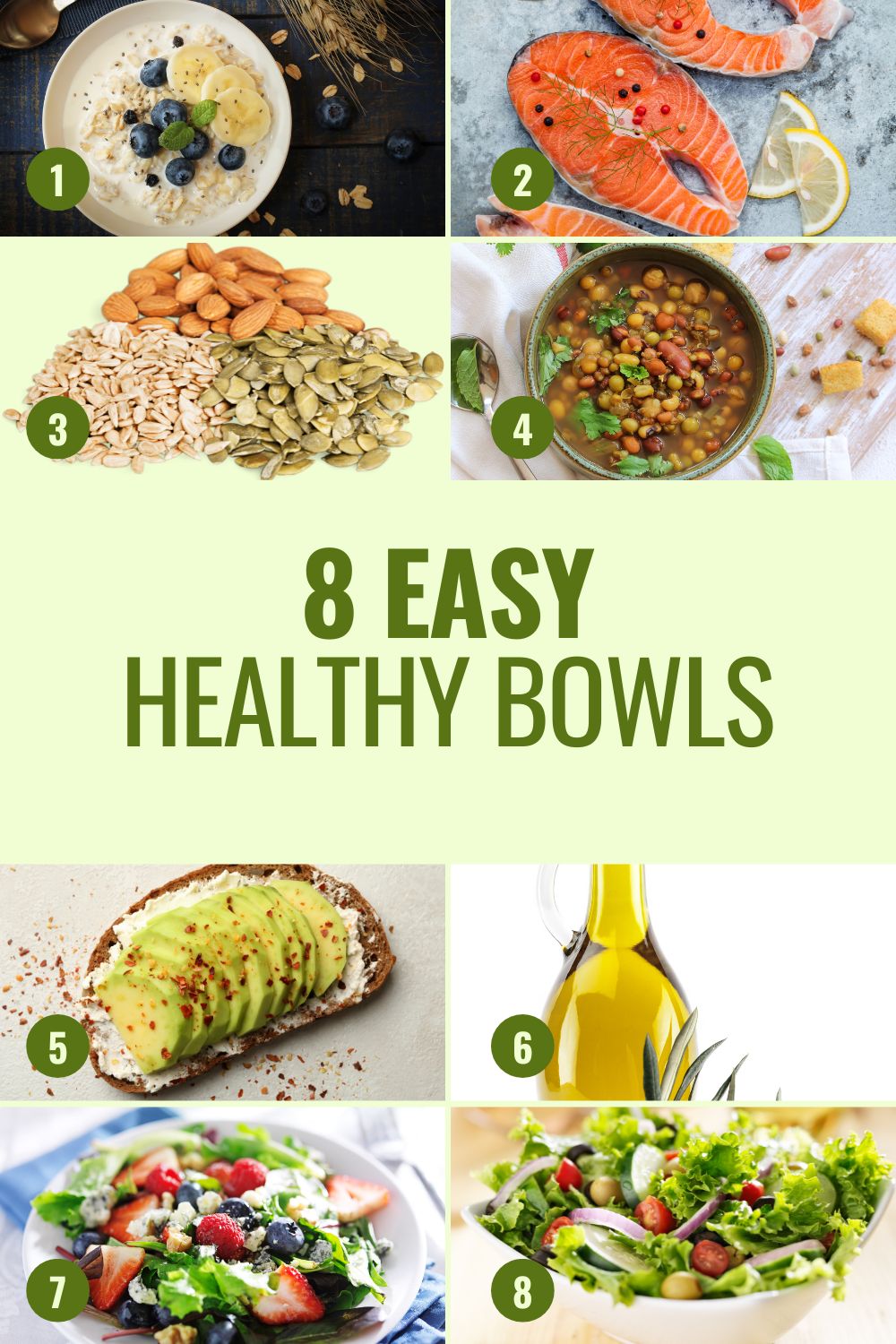
 8 Foods That Lower Cholesterol Naturally
High cholesterol is a leading cause of heart disease, stroke, and other cardiovascular conditions. Fortunately, making simple dietary changes can help manage cholesterol levels effectively. Certain foods contain nutrients and compounds that target LDL (bad cholesterol) and boost HDL (good cholesterol), making them powerful allies in your heart-health journey.
Here’s an in-depth look at eight foods that naturally lower cholesterol and how to incorporate them into your diet.
1. Oats: The Breakfast Hero
Oats are a cholesterol-lowering superstar, thanks to their high soluble fiber content, particularly beta-glucan. This fiber forms a gel-like substance in your digestive system, which traps cholesterol and removes it from your body.
How to Enjoy: Start your day with a bowl of oatmeal topped with fresh fruits and nuts. You can also bake oat-based muffins or use oat flour in recipes.
2. Nuts: Crunchy and Heart-Healthy
Almonds, walnuts, and pistachios are packed with healthy fats, plant sterols, and nutrients that lower LDL cholesterol and protect your arteries. Nuts are also an excellent source of antioxidants, which combat inflammation linked to heart disease.
How to Enjoy: Snack on a small handful of mixed nuts or sprinkle them over salads, yogurts, or smoothies.
3. Fatty Fish: Omega-3 Powerhouse
Fatty fish such as salmon, mackerel, tuna, and sardines are rich in omega-3 fatty acids. These essential fats help reduce triglycerides, lower LDL cholesterol, and improve HDL levels.
How to Enjoy: Aim to eat fatty fish at least twice a week. Grill, bake or steam them to preserve their nutritional value.
4. Avocados: Creamy and Nutritious
Avocados are loaded with monounsaturated fats, fiber, and potassium, all of which contribute to better cholesterol levels and heart health. Studies show that regular avocado consumption can significantly reduce LDL cholesterol.
How to Enjoy: Add avocado slices to your sandwiches, blend them into guacamole, or use them as a spread on whole-grain toast.
5. Legumes: Fiber-rich and Filling
Legumes, including beans, lentils, and chickpeas, are high in soluble fiber and plant-based protein. They help lower LDL cholesterol by binding to cholesterol molecules in the gut, preventing absorption.
How to Enjoy: Incorporate legumes into soups, stews, salads, or as a side dish. You can also try making bean-based spreads like hummus.
6. Fruits: Nature’s Sweet Treat
Fruits such as apples, oranges, and berries contain pectin, a type of soluble fiber that helps lower cholesterol. Additionally, they are packed with antioxidants that support heart health.
How to Enjoy: Snack on fresh fruit, blend them into smoothies, or use them as natural sweeteners in desserts.
7. Vegetables: Nutrient-Dense and Versatile
Vegetables, particularly leafy greens like spinach and kale, as well as broccoli and carrots, are excellent for chol
Premium Content
8 Foods That Lower Cholesterol Naturally
High cholesterol is a leading cause of heart disease, stroke, and other cardiovascular conditions. Fortunately, making simple dietary changes can help manage cholesterol levels effectively. Certain foods contain nutrients and compounds that target LDL (bad cholesterol) and boost HDL (good cholesterol), making them powerful allies in your heart-health journey.
Here’s an in-depth look at eight foods that naturally lower cholesterol and how to incorporate them into your diet.
1. Oats: The Breakfast Hero
Oats are a cholesterol-lowering superstar, thanks to their high soluble fiber content, particularly beta-glucan. This fiber forms a gel-like substance in your digestive system, which traps cholesterol and removes it from your body.
How to Enjoy: Start your day with a bowl of oatmeal topped with fresh fruits and nuts. You can also bake oat-based muffins or use oat flour in recipes.
2. Nuts: Crunchy and Heart-Healthy
Almonds, walnuts, and pistachios are packed with healthy fats, plant sterols, and nutrients that lower LDL cholesterol and protect your arteries. Nuts are also an excellent source of antioxidants, which combat inflammation linked to heart disease.
How to Enjoy: Snack on a small handful of mixed nuts or sprinkle them over salads, yogurts, or smoothies.
3. Fatty Fish: Omega-3 Powerhouse
Fatty fish such as salmon, mackerel, tuna, and sardines are rich in omega-3 fatty acids. These essential fats help reduce triglycerides, lower LDL cholesterol, and improve HDL levels.
How to Enjoy: Aim to eat fatty fish at least twice a week. Grill, bake or steam them to preserve their nutritional value.
4. Avocados: Creamy and Nutritious
Avocados are loaded with monounsaturated fats, fiber, and potassium, all of which contribute to better cholesterol levels and heart health. Studies show that regular avocado consumption can significantly reduce LDL cholesterol.
How to Enjoy: Add avocado slices to your sandwiches, blend them into guacamole, or use them as a spread on whole-grain toast.
5. Legumes: Fiber-rich and Filling
Legumes, including beans, lentils, and chickpeas, are high in soluble fiber and plant-based protein. They help lower LDL cholesterol by binding to cholesterol molecules in the gut, preventing absorption.
How to Enjoy: Incorporate legumes into soups, stews, salads, or as a side dish. You can also try making bean-based spreads like hummus.
6. Fruits: Nature’s Sweet Treat
Fruits such as apples, oranges, and berries contain pectin, a type of soluble fiber that helps lower cholesterol. Additionally, they are packed with antioxidants that support heart health.
How to Enjoy: Snack on fresh fruit, blend them into smoothies, or use them as natural sweeteners in desserts.
7. Vegetables: Nutrient-Dense and Versatile
Vegetables, particularly leafy greens like spinach and kale, as well as broccoli and carrots, are excellent for chol
Premium Content
Wednesday, December 4, 2024
8 Powerful Foods to Naturally Lower Cholesterol and Boost Heart Health
8 Foods That Lower Cholesterol Naturally
High cholesterol is a leading cause of heart disease, stroke, and other cardiovascular conditions. Fortunately, making simple dietary changes can help manage cholesterol levels effectively. Certain foods contain nutrients and compounds that target LDL (bad cholesterol) and boost HDL (good cholesterol), making them powerful allies in your heart-health journey.
Here’s an in-depth look at eight foods that naturally lower cholesterol and how to incorporate them into your diet.
1. Oats: The Breakfast Hero
Oats are a cholesterol-lowering superstar, thanks to their high soluble fiber content, particularly beta-glucan. This fiber forms a gel-like substance in your digestive system, which traps cholesterol and removes it from your body.
How to Enjoy: Start your day with a bowl of oatmeal topped with fresh fruits and nuts. You can also bake oat-based muffins or use oat flour in recipes.
2. Nuts: Crunchy and Heart-Healthy
Almonds, walnuts, and pistachios are packed with healthy fats, plant sterols, and nutrients that lower LDL cholesterol and protect your arteries. Nuts are also an excellent source of antioxidants, which combat inflammation linked to heart disease.
How to Enjoy: Snack on a small handful of mixed nuts or sprinkle them over salads, yogurts, or smoothies.
3. Fatty Fish: Omega-3 Powerhouse
Fatty fish such as salmon, mackerel, tuna, and sardines are rich in omega-3 fatty acids. These essential fats help reduce triglycerides, lower LDL cholesterol, and improve HDL levels.
How to Enjoy: Aim to eat fatty fish at least twice a week. Grill, bake or steam them to preserve their nutritional value.
4. Avocados: Creamy and Nutritious
Avocados are loaded with monounsaturated fats, fiber, and potassium, all of which contribute to better cholesterol levels and heart health. Studies show that regular avocado consumption can significantly reduce LDL cholesterol.
How to Enjoy: Add avocado slices to your sandwiches, blend them into guacamole, or use them as a spread on whole-grain toast.
5. Legumes: Fiber-rich and Filling
Legumes, including beans, lentils, and chickpeas, are high in soluble fiber and plant-based protein. They help lower LDL cholesterol by binding to cholesterol molecules in the gut, preventing absorption.
How to Enjoy: Incorporate legumes into soups, stews, salads, or as a side dish. You can also try making bean-based spreads like hummus.
6. Fruits: Nature’s Sweet Treat
Fruits such as apples, oranges, and berries contain pectin, a type of soluble fiber that helps lower cholesterol. Additionally, they are packed with antioxidants that support heart health.
How to Enjoy: Snack on fresh fruit, blend them into smoothies, or use them as natural sweeteners in desserts.
7. Vegetables: Nutrient-Dense and Versatile
Vegetables, particularly leafy greens like spinach and kale, as well as broccoli and carrots, are excellent for chol
Premium Content

Sunday, September 1, 2024
Amazing Health Benefits of Massage Therapy
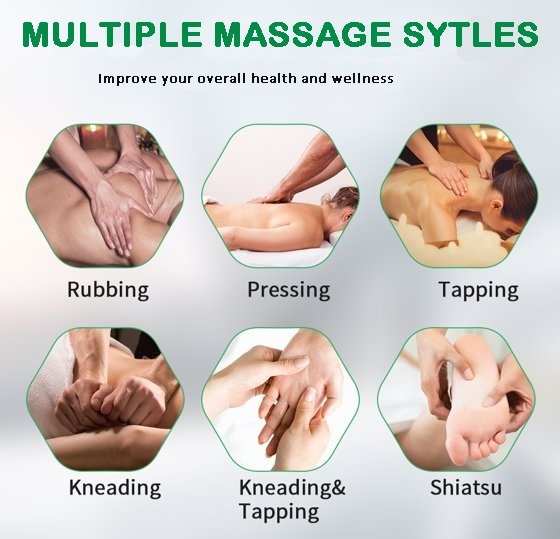
Massage therapy has been practiced for centuries, offering relaxation and health benefits to people worldwide. Today, there are over 80 different massage styles, each with unique movements, pressures, and techniques. These styles typically involve rubbing, pressing, or manipulating soft tissues using hands, fingers, elbows, forearms, or even feet. As awareness grows, especially among baby boomers, more people are discovering how massage can support recovery from injuries, relieve symptoms of health conditions, and promote overall well-being.
Choosing the Right Massage Style
With so many options available, you may wonder which massage type is best for you. Some styles focus on relaxation and stress relief, while others target specific health issues or aid in recovery. To make the most of your session, discuss your needs and goals with your massage therapist beforehand. They can customize techniques based on your preferences, age, or condition. Let’s explore some popular massage styles and how they can benefit your health.
1. Swedish Massage
This is the most popular type of massage, known for its soothing, long strokes that release muscle tension. It combines gentle kneading and rhythmic tapping to relax muscles and promote circulation.
Common Swedish Massage Techniques:
- Effleurage: Long, gliding strokes to relax soft tissues.
- Petrissage: Kneading and rolling motions to loosen muscles.
- Tapotement: Light tapping using the edge of the hand or fingers.
- Friction: Circular movements to enhance circulation and break down scar tissue.
Great for relaxation, Swedish massage can also aid recovery from minor injuries.
2. Thai Massage
Thai massage involves stretching and acupressure techniques. The therapist moves your body into yoga-like positions to increase flexibility, relieve joint pain, and improve energy flow. This style is more active and stimulating than traditional massages.
3. Sports Massage
Designed specifically for athletes, sports massage focuses on muscles used during physical activity. It helps improve flexibility, prevent injuries, and promote faster recovery after sports events or workouts.
4. Shiatsu Massage
Shiatsu, meaning "finger pressure" in Japanese, involves applying rhythmic pressure to specific acupressure points. It aims to unblock energy pathways (Chi) and restore balance, improving relaxation and well-being.
5. Hot Stone Massage
Warm stones are placed on targeted areas of the body to penetrate heat deep into muscles. Often combined with other massage techniques, hot stone massage soothes tension and provides deep relaxation.
6. Pregnancy Massage
Pregnancy massage helps manage the physical changes and discomforts that occur during pregnancy. It can reduce swelling, relieve back pain, and ease joint stress while promoting relaxation. Therapists use special pillows to ensure comfort and safety.
7. Deep Tissue Massage
This technique focuses on deeper layers of muscle tissue and is ideal for addressing chronic pain or injury-related stiffness. Using slow, firm strokes, it helps release knots and relieve tension in problem areas.
8. Chair Massage
Chair massages are shorter, quick-relief sessions performed in a portable chair with the client fully clothed. These are common at workplaces, airports, and events, targeting the neck, shoulders, and upper back to relieve stress.
9. Lymphatic Drainage Massage
This gentle massage stimulates the flow of lymph fluid, which helps the body remove toxins and waste. It can boost immune function and reduce swelling, making it helpful for post-surgery recovery or chronic conditions.
10. Reflexology
Reflexology involves applying pressure to specific points on the feet that correspond to various parts of the body. This technique promotes relaxation and supports overall health by stimulating energy flow throughout the body.
Health Benefits of Massage Therapy
Massage therapy offers more than relaxation. It can effectively address several health challenges, including:
- Headaches: Studies show that massage therapy can reduce the frequency of migraines and improve sleep quality.
- Cancer Symptoms: When used alongside conventional treatments, massage can relieve pain, fatigue, and anxiety. However, cancer patients should consult their doctor before receiving massages.
- Back Pain Relief: Research indicates that regular massages help alleviate chronic back pain and improve mobility.
- Depression: Clinical studies suggest massage therapy can reduce symptoms of depression by promoting relaxation and improving mood.
- Arthritis Relief: A clinical trial found that Swedish massage improved pain, stiffness, and joint function in participants with knee arthritis.
Final Thoughts
Massage therapy offers a wealth of benefits for both physical and mental well-being. Whether you want to relax, recover from an injury, or improve flexibility, there is a massage style to suit your needs. Take time to discuss your goals with a qualified therapist, and enjoy the restorative power of touch therapy to enhance your health and wellness.
Recommended Post: 10 Daily Habits That Will Boost Your Mental Health
Article Source
National Center for Complementary and Alternative Medicine: "Massage Therapy as CAM" and "Massage Therapy for Health Purposes.".
U.S. Department of Labor Bureau of Labor Statistics: "Massage Therapists."
"National Multiple Sclerosis Society: "Massage and Bodywork."
Tuesday, August 27, 2024
What You Need To Know About Alcohol And Your Fitness
Many people are concerned about the health risks of alcohol. While you don’t need to avoid alcohol entirely if you’re healthy, drinking in moderation is essential. Consuming alcohol every day—or even most days—can lead to serious health consequences over time.
One of the most common issues is fatty liver disease, which occurs in 90% of people who consume 1.5 to 2 ounces of alcohol daily. If left unchecked, fatty liver can progress to liver fibrosis and eventually cirrhosis, where healthy liver tissue is replaced by scar tissue.
Here’s what you need to know about alcohol consumption and your health.
Is Alcohol Really Good for You?
You may have seen studies suggesting that moderate drinking can offer health benefits, like lower heart disease risks and longer lifespans. While the research isn’t conclusive, drinking small amounts of alcohol may increase good cholesterol levels and prevent blood clots.
5 Surprising Facts About Alcohol and Health
Moderation is Key
Light to moderate alcohol intake can provide some benefits. However, regularly drinking more than a couple of ounces can harm your health.It Can Interfere with Medication
Mixing alcohol with medication can create dangerous interactions. A recent study found that more than 40% of people drink alcohol while taking medications that may interact negatively.It Weakens the Immune System
Daily alcohol consumption makes your body more prone to infections, such as colds and the flu, by weakening your immune system.Alcohol Affects the Heart and Pancreas
Heavy drinking can cause cardiomyopathy (a weakened heart), arrhythmias (irregular heartbeats), and pancreatitis (inflammation of the pancreas).It Raises Cancer Risk
Excessive alcohol use increases the risk of several cancers, including mouth, throat, liver, and breast cancer.
Alcohol and Sleep: Why It May Disrupt Your Rest
While a glass of wine or beer before bed may help you fall asleep faster, it can disrupt your sleep quality. As alcohol metabolizes, it causes fragmented sleep during the second half of the night, leaving you feeling tired the next day. Limiting alcohol before bedtime can improve your overall sleep.
Drinking and Diabetes: What to Know
If you have diabetes, moderate drinking may still be safe. However, it’s crucial to consult your doctor since alcohol can affect blood sugar levels and interact with medications.
Alcohol and Irregular Heartbeat
Even moderate drinking—just one to three drinks per day—can increase your risk of atrial fibrillation (AFib), a common heart rhythm disorder. AFib can cause dizziness, fatigue, shortness of breath, and chest pain, potentially leading to severe complications if left untreated.
Can People with Epilepsy Drink Alcohol Safely?
For people with epilepsy, the stakes are higher. The good news is that studies show occasional or moderate drinking doesn’t significantly increase seizure risk. However, it’s still important to monitor your alcohol intake and consult your doctor for personalized advice.
Final Thoughts
Moderation is essential when it comes to alcohol. Enjoying a drink occasionally can fit into a healthy lifestyle, but frequent drinking can damage vital organs, disrupt sleep, weaken the immune system, and increase the risk of serious health conditions. Always be mindful of how much you drink—and if you’re on medication or managing chronic health conditions, consult your healthcare provider.
Stay informed and drink responsibly to protect your health!
Read More Premium ContentsThursday, August 22, 2024
The Science of Rapid Weight Loss: What Really Works
In a world where quick solutions are often desired, rapid weight loss has become a common goal for many. While it’s essential to focus on long-term health, there are research-backed methods that can help accelerate your weight loss journey. This post explores the science behind rapid weight loss and outlines strategies that are both effective and sustainable.
Understanding Weight Loss: The Basics
Weight loss happens when you burn more calories than you consume, creating a calorie deficit. This forces your body to tap into stored fat for energy. Achieving rapid weight loss requires maximizing this deficit through a combination of dietary adjustments, lifestyle habits, and strategic exercise. Let’s explore the science-backed methods to help you reach your goals quickly and safely.
Proven Strategies for Rapid Weight Loss
1. Calorie Deficit: The Foundation of Weight Loss
To lose one pound of fat, you need a calorie deficit of about 3,500 calories. For rapid weight loss, aim for a daily calorie deficit of 500 to 1,000 calories. Tools like mobile apps or food journals can help you track your intake and monitor progress, ensuring you stay on target.
Tip: Gradual and consistent tracking keeps you accountable and helps identify patterns that may hinder your progress.
2. High-Intensity Interval Training (HIIT)
Exercise plays a critical role in rapid weight loss, and HIIT is one of the most efficient methods. HIIT involves short bursts of intense exercise followed by rest or low-intensity recovery. Research shows that HIIT increases fat loss, boosts metabolism, and burns more calories in less time compared to steady-state cardio.
Example HIIT Routine:
Try alternating between 30 seconds of sprinting and 1 minute of walking for 20 minutes. This can maximize calorie burn both during and after your workout.
3. Incorporate a Protein-Rich Diet
Protein helps in multiple ways: it promotes satiety, preserves lean muscle mass, and increases calorie expenditure due to its thermic effect. Including lean sources of protein such as chicken, fish, tofu, and legumes can reduce appetite and help you stay within your calorie limits.
Pro Tip: Aim to include protein with every meal to keep hunger at bay and fuel your metabolism effectively.
4. Intermittent Fasting (IF)
Intermittent fasting has gained popularity as a powerful weight loss tool. It involves alternating periods of eating and fasting, such as the 16/8 method (16 hours of fasting, 8 hours of eating). IF enhances fat-burning, improves insulin sensitivity, and can help control calorie intake naturally.
Consider This: Start with a 12-hour fast and gradually increase the fasting window as your body adjusts to the routine.
5. Practice Mindful Eating
Mindful eating focuses on being fully present during meals, savoring every bite, and recognizing hunger cues. Research shows that this practice reduces overeating, emotional eating, and binge eating—factors that can hinder rapid weight loss.
How to Practice: Eat without distractions (like your phone or TV) and take the time to appreciate the flavors and textures of your food.
6. Prioritize Sleep for Better Results
Sleep is often overlooked but plays a vital role in weight management. Inadequate sleep disrupts hunger-regulating hormones and increases cravings for unhealthy foods. Aim for 7-9 hours of quality sleep per night to support your body’s metabolism and recovery.
Actionable Tip: Create a bedtime routine, such as reading or meditation, to help you fall asleep faster and improve sleep quality.
7. Stay Hydrated Throughout the Day
Proper hydration is essential for weight loss. Drinking water before meals can help reduce appetite and calorie consumption. Additionally, water boosts metabolism and supports overall health.
Quick Hack: Start your day with a glass of water to kickstart your metabolism, and drink a glass before each meal to prevent overeating.
8. Choose Nutrient-Dense Foods
Nutrient-dense foods provide essential vitamins and minerals without excess calories. Fill your plate with fruits, vegetables, lean proteins, and whole grains to feel satisfied and energized while maintaining a calorie deficit.
Meal Idea: A salad with grilled chicken, quinoa, and mixed greens offers protein, fiber, and essential nutrients in a low-calorie meal.
Final Thoughts
Rapid weight loss is achievable when you combine a calorie deficit with efficient exercise, mindful eating, and healthy lifestyle habits. While these strategies can accelerate results, it’s crucial to maintain a focus on long-term health and sustainability.
Before starting any rapid weight loss plan, consult with a healthcare professional or dietitian to ensure the approach is safe for your needs and goals. Remember, the ultimate goal is not just to lose weight quickly but to adopt habits that support lifelong wellness.
By incorporating these science-backed strategies, you can achieve your weight loss goals faster while ensuring you maintain good health along the way. Stay consistent, be patient with yourself, and celebrate every step forward!
Recommended Post: How to Lose Weight Fast — 3 Simple and Proven Ways
#LoseWeight #weightloss #WeightLossTips Premium ContentsSaturday, August 17, 2024
Best Vegan Protein Powder For Weight Loss
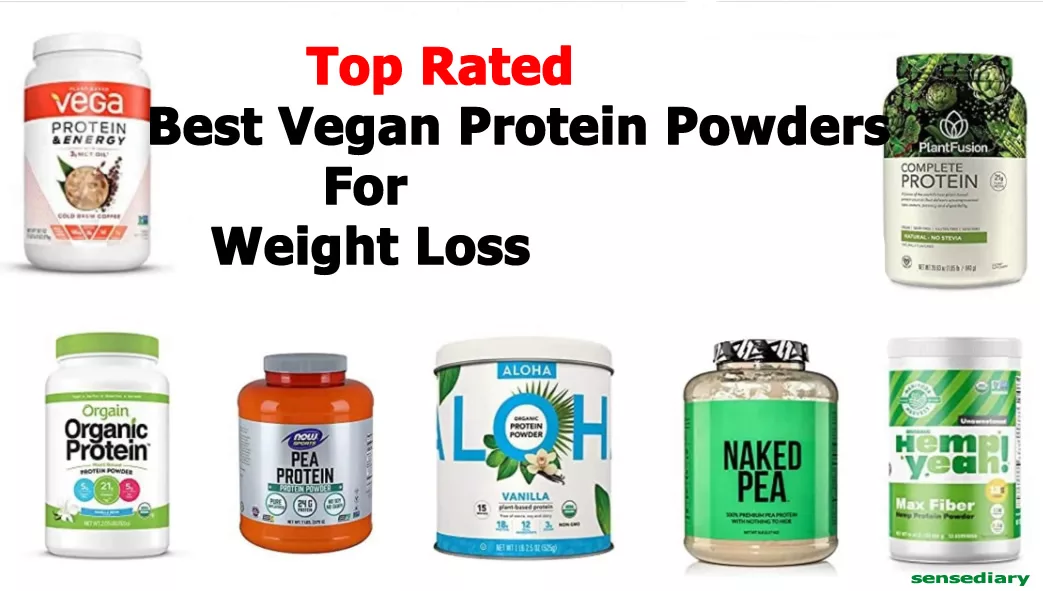
Losing weight can be challenging, but it's a rewarding journey that promotes health and well-being. While regular exercise and a healthy diet are essential, adding vegan protein powder to your routine can supercharge your efforts. Not only do these plant-based powders provide high-quality protein, but they also cater to individuals with dietary restrictions or those following a vegan lifestyle.
In this article, we’ll explore the best vegan protein powders for weight loss, why protein is crucial for shedding pounds, and how to seamlessly incorporate these powders into your diet. Whether you’re fully plant-based or just curious about vegan options, this guide will help you make an informed choice.
Why Protein is Essential for Weight Loss
Protein plays a key role in weight management. As you lose weight, maintaining muscle mass becomes crucial since muscle burns more calories than fat. Without adequate protein, your body may break down muscle for energy, slowing your metabolism and hindering progress. Consuming enough protein helps you:
- Preserve muscle mass during weight loss.
- Boost metabolism by supporting lean muscle.
- Stay fuller for longer since protein takes more time to digest.
A diet rich in protein also reduces the chances of overeating, promoting sustained calorie control. While the general recommendation is 0.36 grams of protein per pound of body weight per day, individuals aiming for weight loss or muscle gain may need more.
Why Choose Vegan Protein Powder?
Vegan protein powders offer numerous benefits, especially for those aiming for weight loss. Here's why they are a great choice:
- Plant-based: Made from sources like pea, hemp, rice, or soy, vegan powders are free of animal products, making them ideal for vegans and vegetarians.
- Complete protein: Many contain all essential amino acids, ensuring your body gets the building blocks it needs.
- Rich in nutrients: Many powders come with added vitamins, minerals, and fiber for enhanced health benefits.
- Low in fat and calories: Ideal for weight loss, they help maintain a calorie deficit without sacrificing nutrition.
- Versatile: Vegan protein powders can be blended into smoothies, used in recipes, or enjoyed as a quick snack or meal replacement.
What to Look for in a Vegan Protein Powder for Weight Loss
When shopping for vegan protein powders, it’s important to consider these factors:
- High protein content: Look for at least 20 grams per serving to ensure adequate intake.
- Low in calories: Aim for powders that support your calorie goals while keeping you full.
- Low sugar: Avoid powders with added sugars that could derail your weight loss efforts.
- Fiber-rich: Choose options with fiber to further enhance satiety.
- Nutrient-packed: Powders with added vitamins and minerals contribute to overall well-being.
- Taste and texture: Enjoyable flavors and smooth texture make it easier to stay consistent.
- Reputable brand: Choose well-reviewed products to ensure quality and safety.
How to Add Vegan Protein Powder to Your Diet
Incorporating vegan protein powder into your weight loss plan is easy. Here are a few ideas:
- Smoothies: Blend with fruits, greens, and nut butter for a nutrient-rich meal or snack.
- Baking: Use in recipes like protein pancakes or muffins for a healthy twist.
- Yogurt: Stir it into dairy-free yogurt for a protein boost.
- Oatmeal: Add a scoop to your morning oats for a filling breakfast.
- Homemade bars: Create energy balls or protein bars for a quick on-the-go snack.
Top 5 Vegan Protein Powders for Weight Loss
Organifi Complete Protein – This plant-based protein powder combines vitamins, minerals, and digestive enzymes to support weight management. It also offers a complete meal replacement option, making it useful for calorie control.
Ora Organic – Known for its clean, plant-based nutrition, Ora Organic’s vegan protein powders use sustainably sourced ingredients and avoid artificial additives. They provide a 20% lifetime affiliate commission, making it an excellent option for monetization.
Ground-Based Nutrition – Their plant-based protein powders, including keto-friendly options, focus on whole foods and organic ingredients. With an average order size of $80, promoting this product can yield significant returns.
- Garden of Life Raw Organic Protein – Packed with probiotics and enzymes for digestion.
- Naked Pea Protein Powder – A simple, unflavored option with just one ingredient: pea protein.
FAQs About Vegan Protein Powder and Weight Loss
1. Is vegan protein powder effective for weight loss?
Yes, it helps reduce appetite, preserves muscle mass, and supports metabolism, all of which are essential for weight loss.
2. Can vegan protein powder cause weight gain?
Not inherently. However, powders with added sugars or high-calorie ingredients can lead to weight gain if consumed in excess.
3. How much vegan protein powder should I consume daily?
It varies by individual, but most people benefit from at least 20 grams per serving. Consult with a nutritionist to determine your specific needs.
4. Can it replace meals?
While it’s convenient, relying solely on protein powder as a meal replacement isn't recommended. Instead, use it to complement a balanced diet.
5. Are there any side effects?
Most people tolerate vegan protein powder well. However, some may experience gas or bloating. If you notice digestive discomfort, consider switching to a different brand or consulting a healthcare professional.
Final Thoughts
Vegan protein powders are a fantastic tool for those looking to lose weight while maintaining a plant-based lifestyle. High in protein, low in calories, and packed with essential nutrients, they help you stay full, build muscle, and promote fat loss.
When selecting a vegan protein powder, be sure to consider your personal taste preferences, ingredient quality, and nutritional goals. Incorporating it into your diet through smoothies, snacks, and baked goods can make your weight loss journey easier and more enjoyable.
Ready to kick-start your transformation? Explore Top Rated Vegan Protein Powders — Customers Reviews and find the perfect fit for your needs today!
Recommended Post: How To Lose Weight Fast — 3 Simple and Proven Ways
Do you enjoy this article? Please share with your audience.
#veganproteinpowder #weightloss Top Rated Vegan Protein Powders — Customers ReviewsMonday, August 12, 2024
How to Make Your Skin Glow and Healthy

Your skin is more than just a protective barrier—it’s the face you show to the world. When it’s healthy, it radiates beauty. Achieving great skin comes down to the choices you make daily—what you eat, how you feel, and the environment you expose yourself to. Here are expert tips to keep your skin glowing and vibrant year-round.
1. Watch What You Eat
What you eat plays a significant role in your skin's appearance. A diet rich in vitamin C, fruits, vegetables, and fish can help maintain glowing skin. Antioxidant-rich foods reduce signs of aging, while lowering fats and simple carbs can improve your complexion.
Pro Tip: Opt for whole grains, healthy proteins, and complex carbs like oats or whole wheat pasta to avoid breakouts. Limiting dairy may also reduce acne.
2. Load Up on Skin-Boosting Vitamins
Incorporate vitamins C and E into your diet to protect your skin from damage and reverse signs of aging. These vitamins, often found in anti-aging creams, work wonders when consumed through food. Additionally, selenium helps prevent sun-induced skin damage and improves skin elasticity.
3. Exercise for Better Circulation
Regular exercise improves blood flow, delivering oxygen and nutrients to your skin while boosting collagen production for smoother, wrinkle-free skin. After workouts, wash your face to prevent clogged pores, especially if wearing tight headbands that trap sweat.
4. Prioritize Beauty Sleep
A solid 7-8 hours of sleep each night allows your body to repair itself and keeps skin refreshed. Lack of sleep can lead to dark circles, puffiness, and pale skin. Avoid sleeping on your stomach, as pressing your face against the pillow can cause wrinkles over time.
5. Prevent Melasma and Dark Spots
Melasma, or dark facial spots, is common during pregnancy or while taking birth control. It results from increased melanin production. Minimize pigment changes by applying broad-spectrum sunscreen daily and avoiding prolonged sun exposure. Chemical peels or topical treatments such as hydroquinone, retinoids, or kojic acid can help lighten stubborn spots.
6. Protect Your Skin from Sun Damage
Sun exposure causes up to 92% of skin damage, including premature wrinkles and an increased risk of skin cancer. Use a sunscreen with SPF 30 or higher that contains zinc oxide or titanium dioxide. Wear protective clothing, such as wide-brimmed hats, and stay out of the sun between 10 a.m. and 2 p.m.
7. Take Care of Aging Skin
As we age, collagen production decreases, and skin loses elasticity. To combat these changes:
- Moisturize regularly
- Exfoliate to remove dead skin cells
- Use mild, non-drying cleansers
- Consider retinoids to reduce fine lines
Most importantly: Stay out of the sun to prevent further damage.
8. Coffee: Drink It or Apply It?
While caffeine can dehydrate your skin if consumed in excess, research shows that topical caffeine may help reverse sun damage and reduce the risk of skin cancer. Studies are ongoing to confirm its protective benefits for human skin.
9. Limit Alcohol Consumption
Alcohol dehydrates the skin, leading to dryness and redness. It also dilates blood vessels, which can cause permanent redness over time. Additionally, alcohol, especially red wine, can trigger rosacea flare-ups.
10. Quit Smoking for Healthier Skin
Smoking is second only to sun exposure in accelerating wrinkles and premature aging. It decreases circulation, breaking down collagen and leading to deep lines and dry skin. Quitting smoking won’t reverse the damage, but it will prevent further deterioration.
11. Cleanse Your Skin Daily
Your skin faces pollutants like smog, exhaust, and smoke daily. Cleanse it each night with gentle scrubs and toners to remove dirt and dead cells. After washing, apply a moisturizer and retinoid cream for overnight repair. Even oily skin benefits from oil-free moisturizers.
12. Winter Skin Care Tips
Cold weather and indoor heating can dry out your skin, making conditions like eczema worse. Combat dryness by:
- Using a humidifier at home
- Applying moisturizer throughout the day
- Drinking plenty of water
Remember to wear sunscreen, even during winter.
13. Summer Skin Care Essentials
If you want a tan, use a sunless tanner or bronzer for a safer glow. However, these products don't offer sun protection, so always apply a waterproof, broad-spectrum sunscreen. After swimming, rinse off chlorine to prevent skin irritation.
14. Travel-Friendly Skin Care Tips
Airplane travel can dry out your skin due to low humidity levels. Stay hydrated by drinking water and avoiding alcohol or coffee. Use moisturizer before, during, and after flights, and skip makeup to prevent clogged pores. Keep a travel-size lotion handy to reapply as needed.
15. Prepare Your Skin for Different Lighting
Lighting affects how your skin appears. Fluorescent lighting can make your skin look red or yellow, while softer lighting hides imperfections. Test your makeup in different lighting conditions to ensure you look your best, day or night.
Final Thoughts: Glow from the Inside Out
Healthy skin isn’t just about what you apply on the outside—it’s about making smart lifestyle choices that reflect on your skin. With the right nutrition, exercise, sleep, and skincare routine, you can achieve a glowing complexion that shines in every season.
Recommended Post: Cultivate a Positive Mindset— Daily Practices for Inspiration and Gratitude
#skincare Premium ContentsWednesday, August 7, 2024
How Microbiome in Your Gut Affects Your Whole Body
Your body is home to trillions of bacteria—roughly the same number as your body’s cells. Most of these bacteria are beneficial, playing a crucial role in digestion, physical health, and even mental well-being. Let’s dive deeper into the importance of these “good” bacteria and how they impact various aspects of your health.
The Gut Microbiome: Your Body’s Bacterial Hub
The gut microbiome refers to the ecosystem of bacteria living in your digestive tract. These bacteria break down food and convert it into essential nutrients for your body. Interestingly, they stop growing when food is scarce, maintaining just the right amount to keep things balanced.
Maintaining Equilibrium: Fighting the Good Fight
Beyond digestion, good bacteria in the gut also keep harmful bacteria in check. They multiply frequently, leaving little room for bad bacteria to thrive. A healthy gut maintains a state of equilibrium—a balance that promotes overall well-being.
What Happens When the Balance is Off?
An overgrowth of harmful bacteria can lead to digestive disorders, such as:
- Irritable Bowel Syndrome (IBS)
- Ulcerative Colitis
- Crohn’s Disease
Researchers are actively exploring new treatments targeting the gut microbiome to manage these conditions.
Gut Bacteria and Heart Health
Some gut bacteria are linked to heart disease. When you consume foods like eggs or red meat, specific bacteria produce TMAO (trimethylamine-N-oxide), a chemical your liver processes. High TMAO levels can contribute to cholesterol buildup in your arteries.
Scientists are investigating DMB (found in olive oil and grapeseed oil) as a natural way to reduce TMAO production and lower cardiovascular risk.
The Role of Gut Bacteria in Kidney Function
Excess TMAO can also harm your kidneys. People with chronic kidney disease (CKD) struggle to eliminate TMAO, which could further increase their risk of heart disease. Experts believe that elevated TMAO might even play a role in the development of CKD.
How Gut Bacteria Affect Your Brain
Your gut and brain communicate through complex signals. This interaction, known as the gut-brain axis, influences emotions, sensory processing, and cognitive function. An imbalance in gut bacteria has been linked to:
- Anxiety and Depression
- Autism Spectrum Disorder
- Chronic Pain
The Link Between Gut Bacteria and Obesity
Poor gut health can interfere with hunger signals, making it harder for your brain to recognize when you’re full. Some studies suggest that the pituitary gland, which regulates appetite, may affect gut bacteria balance. Researchers are exploring this connection to develop new treatments for obesity.
Can You Change Your Gut Bacteria?
Your gut microbiome starts developing at birth and evolves based on your diet and environment. Although some factors are predetermined, making dietary changes can shift your gut bacteria toward a healthier balance.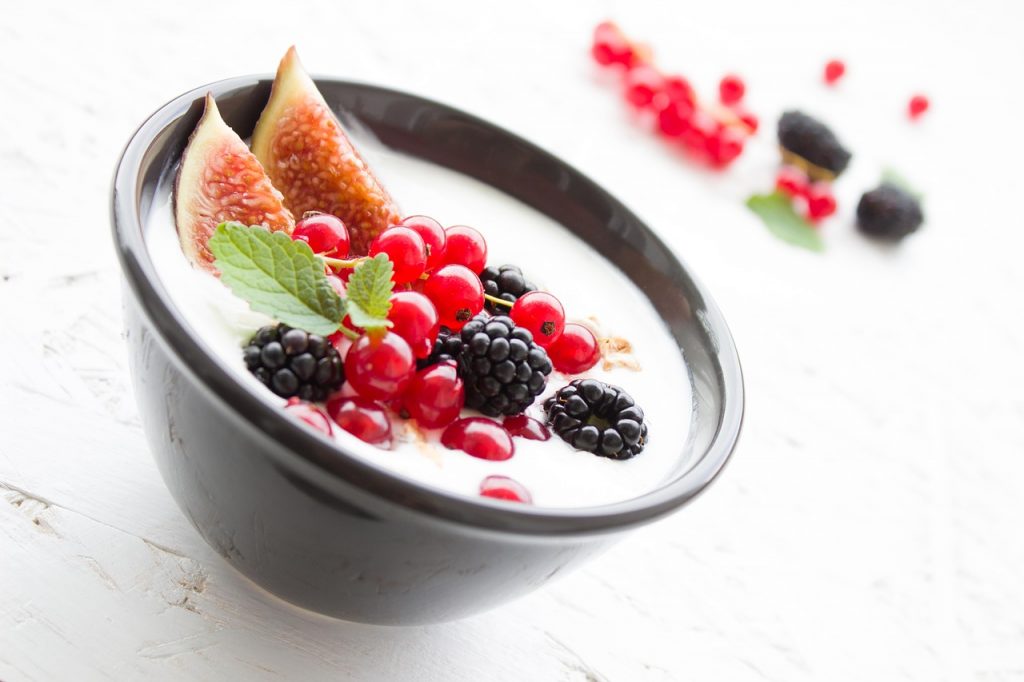
Probiotics: Adding Good Bacteria to Your Gut
Probiotics are live bacteria found in certain foods that complement the good bacteria in your gut. However, not all probiotics work the same way—each type has unique benefits.
How Probiotics Help:
- Strengthen the immune system
- Improve digestive health (especially for IBS)
- Ease allergy symptoms
- Assist with lactose intolerance
Recommended post: Probiotics — Foods and Health Benefits
Since everyone’s microbiome is unique, the effectiveness of probiotics varies from person to person.
Sources of Probiotics
Look for probiotics in:
- Yogurt and aged cheeses (with live cultures like lactobacilli and bifidobacteria)
- Fermented vegetables (e.g., kimchi, sauerkraut)
- Pickled foods (e.g., onions, gherkins)
Prebiotics: Fuel for Good Bacteria
Prebiotics are dietary fibers that feed probiotics, helping them grow and thrive. They also enhance calcium absorption. Common sources include:
- Vegetables (artichokes, asparagus, onions, leeks)
- Fruits (bananas)
- Legumes (soybeans)
- Whole wheat products
Synbiotics: The Perfect Probiotic-Prebiotic Combination
Synbiotics combine probiotics and prebiotics to enhance the lifespan and effectiveness of good bacteria. Some easy synbiotic combos include:
- Bananas with yogurt
- Asparagus stir-fried with tempeh
Innovative Ways to Modify Gut Bacteria
Emerging treatments aim to reshape gut bacteria to improve health:
- Fecal transplants introduce healthy bacteria to treat conditions like C. difficile infections and ulcerative colitis.
- Deep Transcranial Magnetic Stimulation (dTMS) stimulates brain activity, influencing gut bacteria. This approach is being explored as a potential treatment for obesity.
By understanding the importance of good bacteria and making intentional dietary choices, you can support a healthy gut and improve both your physical and mental health. Whether through probiotics, prebiotics, or emerging therapies, nurturing your gut microbiome is a key step toward long-term well-being.
Source : WebMD
Premium ContentsFriday, August 2, 2024
Trimming Down with Tea: A Weight-Loss Wonder Brew!

Research has shown that drinking tea can provide you with a huge range of health benefits. Having a cup of this aromatic beverage every day can protect the cells of your body from damage, soothe your digestive system, keep your bones healthy, and even help you lose weight.
All types of tea can provide you with some form of health benefit. However, different types of tea retain different nutrient content. So, they are suited for different purposes.
All types of tea are derived from the leaves of the same evergreen shrub known as ‘Camellia sinensis’. Depending on how the tea leaves are processed, tea can be classified as green tea, oolong tea, black tea, white tea, and yellow tea.
If you want to lose weight, drinking green tea is your best. However, you should also be on a healthy diet program and exercise regularly in order to see significant results.
Why is green tea beneficial for weight loss?
Green tea is loaded with caffeine and a flavonoid known as Catechin which helps to increase the metabolic rate of your body, improve your insulin activity, and even increase fat oxidation.
A faster metabolism helps your body to burn more energy and fat oxidation helps you to get rid of excess fat in your body.
In a study conducted in 2008 over 60 obese people showed that drinking green tea in conjunction with following a fat loss diet and exercise program can help you to lose an extra 7.3 pounds(3.3 kg) than people who only follow an exercise or diet program.
Another study showed that consuming green tea in conjunction with following a healthy diet can help to lose an average of 2.9 pounds over 12 weeks.
This is why green tea is known as the ‘weight loss tea’.
How to consume green tea for weight loss

You don’t have to gulp green tea all day long in order to see the benefits. Drinking about 2-3 cups per day will do the trick. Of course, the results will vary for different individuals based on their body weight and metabolism.
If you want to see the best results, drink matcha green tea which is a type of concentrated powdered green tea. Matcha green tea is the richest source of antioxidants and nutrients.
Don’t boil green tea leaves directly in boiling water as heat is bad for catechins. Instead, boil the water separately and let it rest for 10 minutes. Then, pour it over the tea leaves and brew it for about 1 minute. If you brew longer, the taste will change.
Green tea is the best tea for weight loss. However, if you don’t like the taste of green tea, you can substitute it for any of the following –
Pu-erh Tea
Fermented Chinese black tea is known as pu-erh tea. It has an earthy aroma and is often served after a meal.
Studies conducted on animals have shown that this tea may help lower blood triglycerides and blood sugar levels. Another study conducted over 70 men has shown that consuming pu-erh tea extract can help you to lose 2.2 pounds(1 kg) over a period of 3 months.
Thus, pu-erh tea can help you to lose weight, control obesity, and even suppress weight gain.
Black tea
It is the most widely consumed tea in the world. This type of tea is much more oxidized than other types of tea like oolong, green, or white tea.
The dark color of black tea is a result of the oxidation process where the leaves are exposed to air.
A study conducted over 111 individuals has shown that drinking 3 cups of black tea regularly for 3 months can help in weight loss and even reduce your waist circumference. Another study conducted over a period of 14 years over 4280 people has shown that people who consume black tea had a lower body mass index(BMI) than people who don’t drink it.
Researchers believe that black tea is good for weight loss because it is rich in flavanols which is a type of plant pigment that has properties similar to antioxidants.
Oolong tea
Partially oxidized traditional Chinese tea is known as oolong tea. The color of this tea is lighter than black tea but deeper than green tea. It is also more oxidized than green tea.
Oolong tea has a fragrant and fruity aroma which provides it a unique flavor. However, you should note that the flavor can change depending on the level of oxidation.
A small study has shown that consuming oolong tea 3 days straight can improve your metabolic rate by up to 2.9%. This means you will burn an average of 281 calories in a single day. Another study conducted over 102 overweight people showed that consuming oolong tea for 6 weeks may help you to reduce body fat and body weight by increasing the energy expenditure of your body.
White tea
This type of tea is minimally processed and is the most different than other types of tea. In fact, the tea leaves are harvested while the tea plant is still growing or quite young.
White tea has a delicate and subtle taste. It is also a little sweet which provides a distinct flavor from other types of tea.
Some test-tube studies have found that white tea extract can prevent the formation of new fat cells and even break them down. This may be because white tea has a comparable amount of catechins as green tea.
There is not a lot of research done on white tea for weight loss but it is known to improve oral health and even kill cancer cells.
Herbal tea
Herbal tea differs from regular tea because they are not made from the leaves of ‘Camellia Sinensis’. This type of tea is actually made by infusing herbs, fruits, and spices in hot water.
herbal teas offer different tastes and flavors and make a seductive substitute for sugary beverages or water. Not only is it delicious, but some herbal teas also improve your health and overall wellness. Actually, herbal teas have been generally put to use as natural cures for all sorts of sickness and diseases for centuries.
Some popular varieties of herbal tea include rosehip tea, rooibos tea, hibiscus tea, and ginger tea. Among them, rooibos tea is preferred for weight loss as it can increase fat metabolism and even block the formation of new fat cells.
What do you understand by Cardiovascular disease? Read More
J type diabetes revisited Read More
#bestteaforweightloss #greenteaforweightloss #howtodrinkteaforweightloss #weightlosstea Premium ContentsSunday, July 28, 2024
Amazing Superfoods to Include in Your Diet

Superfoods are high in vitamins, minerals, and antioxidants. They're highly nutritional, which means they provide a lot of nutrients and very few calories. Antioxidants are compounds found in some foods. They neutralize free radicals in our bodies. Free radicals are released during energy production, they cause damage to our body cells. Antioxidant molecules lower or alter the effects of free radicals(1).
Carrots
Carrots are superfoods rich in beta-carotene, which you can also get from spinach, cantaloupe, sweet potatoes and pumpkin. Studies reveal that this nutrient lowers the level of depression.
Clams and Mussels
Seafood is a good source of B-12. Some studies show that high level of this vitamin in the body lowers the risk of depression. Your brain needs adenosylmethionine to process other chemicals that affect your mood. Other B -12 foods includes milk, eggs and lean beef.
Coffee
Caffeine will help you feel more motivated. It will worsen the case if you have panic disorder or postpartum depression. Some researchers say a cup of coffee can lower your risk of getting depression.
Leafy Greens
Veggies are superfoods. They are rich in folate, that helps your brain cells to work and which may also protect against depression. Food manufacturers in the U.S. add this, also known as B9, to enriched grains like rice and pasta. Folate is present in lima beans, asparagus, and lentils.
Salmon
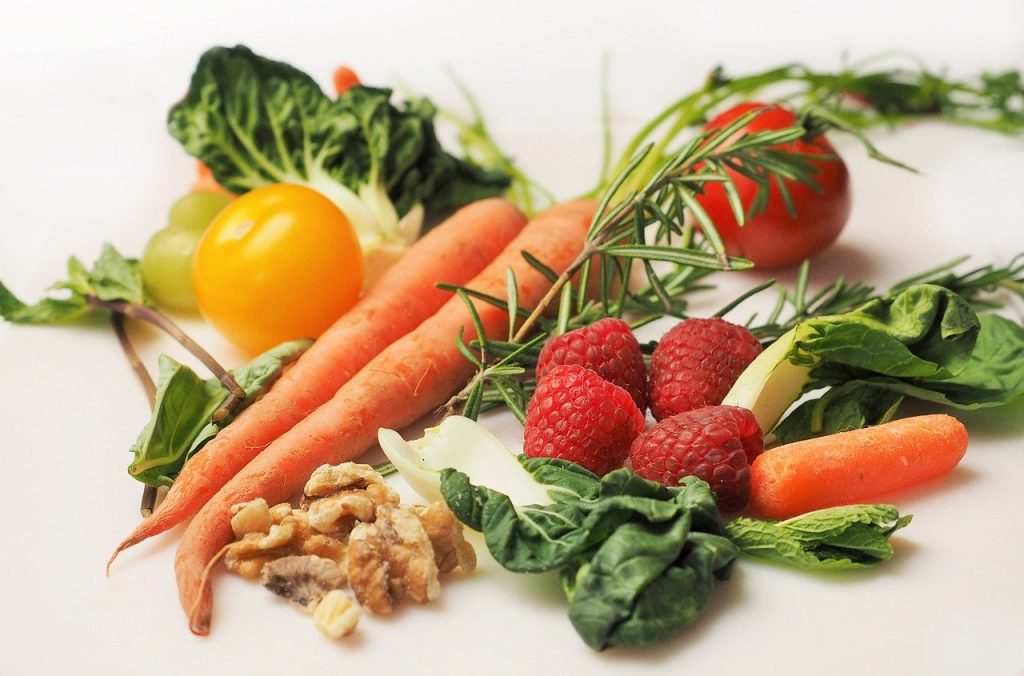
Salmon with other fish like herring and tuna are rich in polyunsaturated fats. Fish are superfoods. Researchers assumed those help you fight depression. One type of these fats — omega-3 fatty acids, may help brain cells use chemicals that can affect your mood. A few studies show that people who weren’t depressed had higher levels of omega-3s than those with mood disorder.
Milk
Milk is high in vitamin D. low level of vitamin D in the body can sometimes cause depression. One Norwegian study revealed that people who take vitamin D supplement were less depressed a year later than those who didn’t. boost your immune with milk. If you don’t like milk you can also boost your vitamin D with enriched cereals, canned fish and juices.
Turkey
Tryptophan — protein building-block, which your body uses to make serotonin, is present in turkey. Studies reveals that Serotonin plays a key role in depression. Actually, some anti-depressant drugs work by targeting the way your brain uses serotonin. Soybeans and chicken also contain this nutrient.
Caution: Alcohol
Alcohol makes your brain less active. It make anti-depressant drugs less effective. It might seem like make you feel more social, but drink in moderation is the best bet. Heavy drinking can worsen depression symptoms.
Caution: Junk Food
Processed foods aren’t good for your body. They may be fast and filling, studies show how diets high in simple carbs, sugars, and fatty acids linked with depression. Rather, a well-balanced diet with enough fruits, whole grains, lean protein, and vegetables.
Summary
Superfoods support and boost your immune system which makes you less vulnerable to diseases. Fill your plate with foods high in fiber and antioxidants. Avoid processed foods as much as possible.
#foodshighinfibers Premium ContentsTuesday, July 23, 2024
Ketogenic Diet — Benefits and Side Effects You Need to Know
Usually, the ketogenic diet reduces or perhaps removes carb food from what you eat. For instance rice, couscous, pasta, quianoa, starchy vegetables; corn, sweet potato, fruit, and vegetables. Instead, consist of high-fat foods, like full-cream dairy products, avocado, peanuts, coconut essential oil, greasy meat, chausses, avocado, and essential olive oil.
ketogenic diet plan needs that fat includes 60 to 80% of the total calories from fat. 20% protein, whilst 10 % carbohydrates. Usually speaking, it is perfect to maintain carbohydrate intake between 20 to 30 grams every day to be able to sustain ketosis.
Reduce grains, pasta bread, rice, will certainly lower your carbs consumption substantially. You will also have to reduce eating fruits. Starchy vegetables such as yams and potatoes will also be avoided.
The Chemistry of Ketogenic Diet
As carb food breaks down into glucose, there is an increase in blood glucose levels. These cause the secretion of insulin by the pancreas (the hormone that stores fat and inhibits ketone production). However, when you cut back on carbs food such as rice, there is a decrease in the level of glucose in your blood and insulin remains suppressed. Body fats will rapidly break down and your body shifts from burning glucose to fat to release energy. This pushed your body into a state of ketosis. When there is an increase in fat oxidation to a certain extent, the liver makes ketones through a process known as ketogenesis.
Your body gets really effective in losing fat if you are in ketosis. Ketogenic weight loss plans could induce a significant decrease in blood sugar levels and even insulin degrees, which is an extra health benefit.
Cells in your body can use fats as fuels. The brain has been shown to be efficient in burning ketones as fuel rather than sugar.
Long Term Effect
Little study has actually been done especially around the long-term impact of the ketogenic diet. Some researches revealed there are many health benefits in sticking to it. Such as its ability to improve type-2 diabetes and also reduce some types of cancer. However, this requires more research studies on people. Professor Collins noted that this diet plan is used in clinical nutrition treatment. This includes epilepsy and also ought to just be used medically and under supervision.

Keto Diet and Weight loss
Today, you'll see ketogenic diet plans advertised to reduce weight, prevent disease, boost energy, increase mental and physical performance, and so much more. However, let's face it: Many people will like to attempt keto to slim down. It isn't bad to have that thought. Actually, keto diets were never designed for weight loss. Using keto diets for weight loss, if not done correctly may have a negative side effect on your weight.
Eating a 5,000-calorie diet that is high in fat will definitely place you in ketosis. You most likely won't shed pounds because those excessive calories need to go somewhere. For several people, the keto diet will help to lose weight, however, this might not be the healthiest way to do it. Eating plant-based foods, with a lot of delicious fruits, legumes, seeds, nuts, vegetables, and whole grains will give better results in weight loss than ketogenic diet plans. Also, it will help your body fight and prevent heart-related diseases, obesity, Alzheimer's, type 2 diabetes, cancer, and many other major ailments of our time.
Keto Diet Plan — Heart Disease
The major alarm regarding the ketogenic diet has actually and constantly been an increase in the threat of heart disease. Experts say the health risk in this kind of diet depends on the type of food eaten. Eating a lot of saturated fats can increase the risk of heart disease and stroke. (2)
"A study published by the European Society of Cardiology in 2018, experts found that people who ate low-carb diets had a 32% increased risk of death from all causes when compared to those eating the highest amount of carbs. The researchers also learned that low-carb eaters suffered from a 51% higher risk of dying from heart disease and a 35% higher risk of dying from cancer".
Keto Diet — Kidney and Liver Conditions
The keto diet has also not been cleared for those experiencing kidney or liver conditions. There is an assumption that it might possibly impact or worsen their symptoms. There is no clear evidence that the keto diet provides any kind of long-term health and wellness benefit. Especially in regard to avoiding cardiovascular disease and diabetes.
Keto Diet Plan — Constipation
Constipation is the most common side effect of the ketogenic diet. This is a result of cutting back on vital sources of fiber in your food. Such as fruits, vegetables, whole grains, and beans. The absence of fiber in your diet may also increase the risk of heart disease and bowel cancer in the long term. You can negate this by including more high-fiber vegetables and water in your diet. You may go for fiber supplements if you feel like doing so.
Keto Flu
Another typical impact of the ketogenic diet plan is keto flu, - lightheadedness, and also dizziness. Individuals feel when they significantly reduce their carbohydrate consumption. There is really little medical research on this, however, there are hundreds of personal comments. Though it appears unpleasant, it isn't necessarily risky and many records indicate the pain subsides. It is also unclear whether it just happens on the keto diet or can be triggered by other special diet plans. However remaining on keto for a long time may cause kidney stones, high cholesterol, constipation, slowed growth in young ones, and fractures. (5)
Bottom Line
The keto diet plan may help some, yet possibly not for everybody. It can cause adverse effects when you first start it, like constipation, drowsiness, muscle pains, and food cravings. The principle exists, in regards to weight loss, consisting of healthy protein with meals as well as snacks, yet the diet can support too much red meat.
Red meat is high in saturated fat. Also, it has actually been linked to specific types of cancer cells, diabetic issues as well as heart disease. Consequently, I would certainly recommend more lean meat like chicken and turkey. Also, plant-based healthy protein sources like quinoa, nuts, seeds, fish, tofu, and avocados.
#ketogenicdiet #nutrition Premium ContentsThursday, July 18, 2024
10 Simple Tips for Cultivating Healthy Eating Habits with a Nutrient-Rich Breakfast
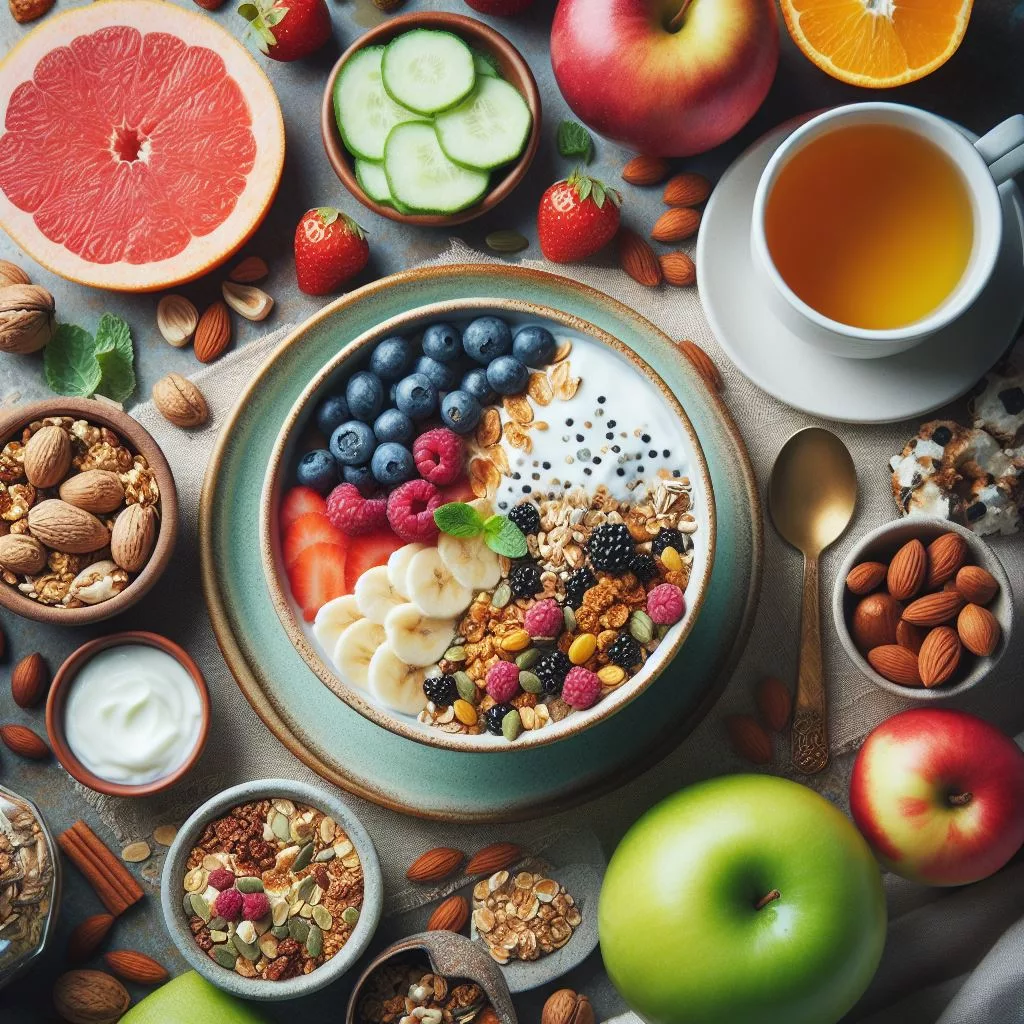
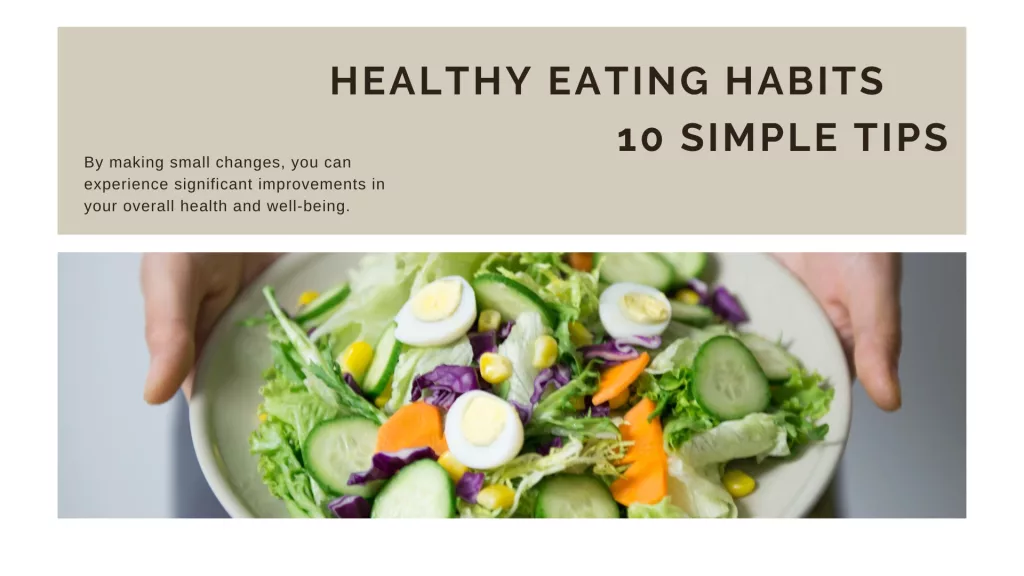
In our fast-paced lives, adopting healthy eating habits can be a challenge. The choices we make regarding our food have a profound impact on our overall well-being. Many individuals struggle to navigate the complexities of maintaining a nutritious diet. This blog post aims to provide practical and achievable tips for incorporating healthier choices into your daily meals, with a specific focus on the importance of a nutrient-rich breakfast. By making small changes, you can experience significant improvements in your overall health and well-being.
Start Your Day with a Nutrient-Rich Breakfast
The significance of a healthy breakfast cannot be overstated. Kickstart your metabolism and sustain energy levels throughout the day by opting for nutrient-dense options. Whole-grain cereal with fruit, yogurt with nuts, or a vegetable omelet are fantastic choices for a powerful and nutritious start to your day.
Prioritize Whole Foods over Processed Ones
Whole, unprocessed foods are packed with essential nutrients often lacking in processed alternatives. For a healthy eating habit, integrate whole grains, fresh fruits, vegetables, and lean proteins into your meals. These whole foods contribute to overall health and well-being, ensuring your body gets the nutrients it needs.
Portion Control
Balancing your diet involves paying attention to portion sizes. Enjoy a variety of foods without overeating by practicing portion control. Utilize smaller plates, measure servings, and be mindful of your body's hunger and fullness cues to avoid unnecessary calorie consumption.

Hydrate, Hydrate, Hydrate
Staying hydrated is crucial for overall health. Drinking at least 8 glasses of water a day supports digestion, regulates body temperature, and enhances various bodily functions. Infuse your water with fruits or herbs for added flavor, making hydration enjoyable and satisfying.
Incorporate Colorful Fruits and Vegetables
Healthy eating includes creating a vibrant plate by including a variety of colorful fruits and vegetables. Each color represents different nutrients, ensuring a broad spectrum of health benefits. Explore new recipes and creative ways to incorporate more colors into your daily dishes for added nutrition.
Choose Lean Protein Sources
Protein is essential for muscle growth, immune function, and overall well-being. Opt for lean protein sources like poultry, fish, beans, lentils, and tofu. Balancing plant-based and animal-based proteins ensures you receive a well-rounded intake of essential amino acids.
Snack Smart
Mindful snacking is key to maintaining a healthy diet. Choose snacks that combine protein, fiber, and healthy fats for satisfaction between meals. Greek yogurt with berries, hummus with vegetable sticks, or a handful of nuts are excellent examples of smart and nutritious snacks.
Plan and Prep
Meal planning and preparation contribute significantly to healthier eating habits. Allocate time each week to plan meals, create a shopping list, and prep ingredients. This not only saves time but also ensures you have nutritious options readily available.
Be Mindful of Added Sugars and Salt
Excessive sugar and salt intake can contribute to health issues. Be aware of hidden sugars in processed foods, opting for natural sweeteners like honey or maple syrup. Use herbs and spices to flavor meals instead of relying on excess salt for a flavorful and healthier alternative.
Listen to Your Body
Tune into your body's hunger and fullness cues. Practice mindful eating by savoring each bite, avoiding distractions, and recognizing emotional triggers that may lead to unhealthy food choices. Paying attention to your body's signals fosters a healthier relationship with food.
Bottom Line
Incorporating these tips, especially focusing on a nutrient-rich breakfast, doesn't have to be overwhelming. Small, consistent changes can yield significant results in your overall health. Remember, your food choices matter, and by making informed decisions, you are investing in a healthier and more vibrant life.
Sources
- NIDDK (nih.gov)
- Healthy Eating Pyramid | The Nutrition Source | Harvard T.H. Chan School of Public Health
Subscribe to our exclusive newsletter
Receive more personalized tips, recipes, and insights tailored to your wellness journey. Join our community and share your experiences as we support each other in fostering healthier eating habits. Together, we can create a community dedicated to positive changes and a healthier lifestyle.
#MealPlanning #NutrientRichBreakfast Premium ContentsSaturday, July 13, 2024
8 Amazing Health Benefits of Green Tea

Green tea has always been considered a help to health. It is categorized as a food item and also generally recognized as safe. Many research revealed the health benefits of green tea. Safety reports of the consumption of up to 1200 mg of EGCG in supplement form in healthy adults over 1- to 4-week time periods. This revealed the adverse effects which included excess intestinal gas, nausea, heartburn, stomach ache, abdominal pain, dizziness, headache, and muscle pain.
Research in Japan, children between the age of 6 to 16 years consumed a green tea beverage containing 576 mg catechins (experimental group) or 75 mg catechins (control group) for 24 weeks without any side effects. The safety of higher doses of catechins in children is not known.
Here's a review of the amazing health benefits of green tea. Benefits that you may possibly not have been aware of. A few of these benefits are still being discussed. Seek medical advice if you'd like to consider green tea for medicinal purposes.
Lowers the Risk of Getting Cancer
Green tea can reduce the chances of having cancer. There is growing evidence to suggest that green tea contains compounds that attack cancerous cells. The tea contains a compound called epigallocatechin-3-gallate (EGCG), which helps inhibit blood vessel growth. [4]
Further studies have looked into whether green tea catechins or green tea extracts alter prostate cancer. In a double-blind, placebo-controlled study, 60 people took 200 mg of green tea catechin or a placebo 3 times every day for 12 months. These men had high-grade prostatic intraepithelial neoplasia, which is considered to be a precursor of prostate cancer. After 1 12 months, fewer prostate cancers have been detected within the green tea catechin group (1 cancer in 30 guys) as compared with the placebo group (9 cancers in 30 guys). Other scientific trials, each uncontrolled research, investigated using green tea extracts to lessen prostate-specific antigen levels in men with prostate cancer and observed no proof of this kind of reduction.
Enhance Healthy Heart
Green tea can reduce the chances of having heart problems. It is shown to lower LDL (bad) cholesterol. This is due to its efficient antioxidant which can inhibit the oxidation of LDL cholesterol in the arteries. The formation of abnormal blood clots (thrombosis) is known as a leading cause of stroke and heart attack. Green tea has been shown to inhibit abnormal blood clot formation as effectively as aspirin.
Lowers Blood Pressure
Green tea may help lower blood pressure. The secretion of angiotensin-converting enzyme (ACE) is a major cause of hypertension (high blood pressure) in humans. Common drugs for hypertension do behave as ACE inhibitors: by blocking the effects of ACE, lowering blood pressure. Green tea acts as a natural ACE inhibitor. Several clinical research show lowered blood pressure in both animals and humans taking green tea extracts.
Weight Loss
Another health benefit of green tea is that it boosts the body's ability to burn fat. This is by the process, of thermogenesis and fat oxidation. A study published in The American Journal of Clinical Nutrition found that the combination of polyphenols and caffeine from an extract of green tea resulted in a "significant increase" in energy expenditure compared to a placebo. Some analyses indicate that green tea leaf helps with fat loss too. It increases serotonin and dopamine in the brain. These hormones control the desire for food, feeling, cravings and energy. Different studies showed that people who consumed green tea for several months have lost extra body weight than people who consumed regular tea. Green tea is high in antioxidants and weight loss is one of its essential health benefits. It melts away body fat and calories. Although it doesn't show quick results like other weight loss products. It helps you shed a few pounds without any negative effect on your health. It increases calorie burning and you can become slimmer.
Prevent Brain Cells from Damaging
EGCG (Epigallocatechin Gallate) is one of the most effective substances in green tea. It deals with several health challenges and maybe one of the main reasons green tea has such effective therapeutic properties. [3] [1]
A newly released research article published in the journal Phytomedicine has found significant proof that enzymes found in green tea safeguard the human brain cells from damage. One more research carried out by the University of South Florida looked at the effects of antioxidant EGCG. It inhibits certain proteins which halted the chemical reactions that may bring about nerve damage that can lead to Alzheimer's and Parkinson's.
Improves Mood
Green tea leaf contains a small amount of caffeine. A 2008 study in Nutrition Bulletin found can boost mood, brain function, and physical performance. Caffeine is much less in green tea than does in coffee. Also the presence of L-theanine, an amino acid in green tea proven to promote a state of calm awareness. Therefore, green tea gives the benefits of alertness linked to caffeine with no "jittery" feeling a side effect of coffee.
Boost Immune System
Research revealed that catechins - antioxidant polyphenol compounds, have a significant impact on your immune system. Research conducted by the Brigham and Women's Hospital in 2003 revealed that theanine, found in green tea, boosted the activity of the gamma delta T cells that form part of our adaptive and innate immunity. The study followed a group of coffee drinkers and a group of tea drinkers who each drank 600ml of their drink daily. Blood samples taken four weeks later quite clearly showed that production of these anti-bacterial proteins was five times higher in those drinking tea.
Antibacterial Properties
Your Body used antibacterial properties found in green tea to kill the bacteria that cause plaque on your teeth. Research by the Journal of Periodontology has also shown that for every cup of green tea you drink, there is a decrease in indicators for gum disease. Also, fluoride in green tea helps to protect against cavities.
Healthy Process
Heat or boil water, but don't let it completely boil and become too hot. You may miss out on the numerous health benefit of green tea. High heat can destroy some of the delicate compounds found in green tea leaves. The "ideal" temperature for brewing green tea is between 160 degrees Fahrenheit to 180 degrees F. Traditionally standard Chinese green teas brew at slightly higher temperatures. Pour hot water into the teapot to steep the leaves for only about 1-3 minutes. Larger leaves need more time to steep than finer, smaller leaves. At this point, you can also add any fresh herbs you plan on steeping.
Final Conclusion
Green tea also contains tannins (which can decrease the absorption of iron and folic acid). If you are pregnant or trying to conceive, then it is not advisable to take green tea.
Green tea is also not ideal for women that are pregnant. The presence of caffeine in green tea may cause premature birth and also low birth weight.
If you want to try green tea teabags, look for a sampler box. You can try different kinds of green tea, including flavored versions. That way, you can decide which ones you like the most.
There is caffeine in green tea. If you are sensitive to caffeine, then one cup a day should be your limit.
Premium ContentsMonday, July 8, 2024
The Weight Loss 7-Day Meal Plan Challenge: Transform Your Body in One Week
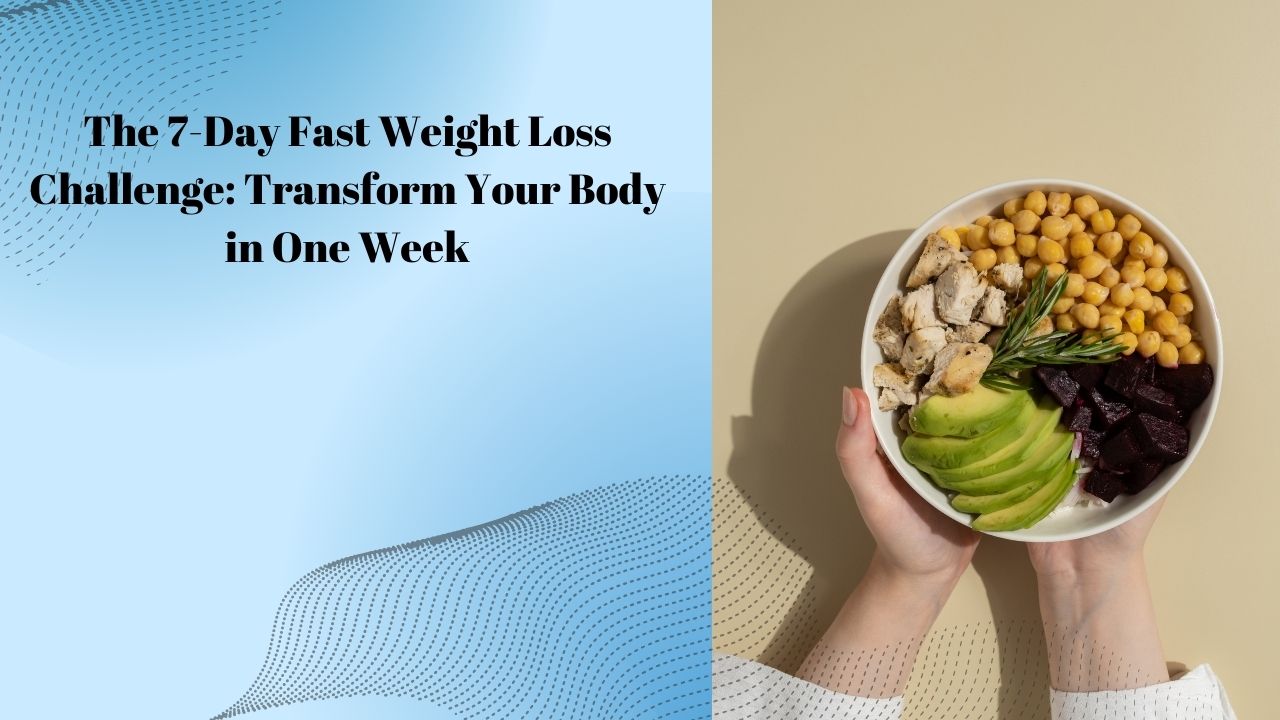
Welcome to the Weight Loss 7 day meal plan Challenge! If you’re looking to shed some pounds quickly and safely, you’ve come to the right place. This challenge is designed to help you kickstart your weight loss journey with a structured plan that incorporates proven methods for fast results. By following our meal plans, workout routines, and daily tips, you’ll transform your body in just one week. [1]
Day 1: Kickoff Your Journey
Starting your weight loss journey with the right mindset and tools is crucial. Day 1 of the weight loss 7 day meal plan is all about laying a solid foundation for the week ahead. Focus on eating balanced meals, staying active, and keeping yourself motivated.
Meal Plan:
- Breakfast: Smoothie with spinach, banana, Greek yogurt, and a handful of berries.
- Recipe: Blend 1 cup of spinach, 1 banana, 1/2 cup Greek yogurt, 1/2 cup mixed berries, and 1 cup of water or almond milk until smooth.
- Benefits: This smoothie is packed with vitamins, minerals, and protein to kickstart your metabolism and keep you full throughout the morning.
- Snack: A small apple and a handful of almonds.
- Benefits: Apples are high in fiber and water content, keeping you satiated. Almonds provide healthy fats and protein to sustain energy levels.
- Lunch: Grilled chicken salad with mixed greens, cherry tomatoes, cucumber, and olive oil dressing.
- Recipe: Combine 4 oz. of grilled chicken breast, 2 cups mixed greens, 1/2 cup cherry tomatoes, 1/2 cucumber (sliced), and 1 tablespoon olive oil with lemon juice for dressing.
- Benefits: This salad is a great source of lean protein and fiber, ensuring you get essential nutrients without unnecessary calories.
- Snack: Carrot sticks with hummus.
- Benefits: Carrots are rich in vitamins and antioxidants, while hummus provides protein and healthy fats to keep you energized.
- Dinner: Baked salmon with steamed broccoli and quinoa.
- Recipe: Bake a 4 oz. salmon fillet with a squeeze of lemon and a pinch of salt and pepper at 375°F for 20 minutes. Serve with 1 cup steamed broccoli and 1/2 cup cooked quinoa.
- Benefits: Salmon is an excellent source of omega-3 fatty acids and protein. Broccoli offers fiber and vitamins, while quinoa provides a complete protein with all nine essential amino acids.
Workout Routine:
- 10-minute warm-up: Start with a brisk walk or light jogging to increase your heart rate and prepare your muscles for exercise.
- 30 minutes of high-intensity interval training (HIIT): Alternate between 30 seconds of intense exercise (like jumping jacks or burpees) and 30 seconds of rest. Repeat the cycle for 30 minutes.
- 10-minute cool-down and stretching: Spend this time doing light stretching to improve flexibility and prevent muscle soreness.
Daily Tip
Stay hydrated. Aim for at least 8 glasses of water to help flush out toxins and keep you feeling full. Drinking water before meals can also help control your appetite.
Recommended: How to Lose Weight Fast : 3 Simple and Proven Ways
Day 2: Boost Your Metabolism
Day 2 is all about boosting your metabolism to enhance your weight loss efforts. Focus on eating nutrient-dense foods, staying active, and ensuring you get enough rest to allow your body to recover and function optimally.
Meal Plan:
- Breakfast: Oatmeal topped with fresh fruit and a drizzle of honey.
- Recipe: Cook 1/2 cup of oats according to package instructions. Top with 1/2 cup fresh fruit (such as berries or sliced banana) and 1 teaspoon of honey.
- Benefits: Oatmeal is rich in fiber and will keep you feeling full for longer. Fresh fruit adds vitamins, minerals, and natural sweetness.
- Snack: Greek yogurt with a sprinkle of chia seeds.
- Benefits: Greek yogurt is high in protein and probiotics, promoting digestive health. Chia seeds add omega-3 fatty acids, fiber, and antioxidants.
- Lunch: Turkey and avocado wrap with a side of mixed greens.
- Recipe: Spread 1/4 avocado on a whole-grain tortilla. Add 4 oz. of sliced turkey breast, a handful of mixed greens, and roll up. Serve with a side salad of mixed greens, cherry tomatoes, and a light vinaigrette.
- Benefits: This wrap is packed with lean protein, healthy fats, and fiber, keeping you satisfied and energized.
- Snack: A handful of berries.
- Benefits: Berries are low in calories and high in antioxidants, vitamins, and fiber, making them a perfect mid-day snack.
- Dinner: Stir-fried tofu with mixed vegetables and brown rice.
- Recipe: Stir-fry 1 cup of mixed vegetables (like bell peppers, broccoli, and carrots) and 4 oz. of tofu in 1 tablespoon of olive oil with garlic and soy sauce. Serve over 1/2 cup of brown rice.
- Benefits: Tofu is a great plant-based protein source. Combined with a variety of vegetables and brown rice, this meal is nutritious and filling.
Workout Routine
- 10-minute warm-up: Start with light cardio, such as jogging or jumping rope, to get your heart rate up.
- 30 minutes of cardio: Engage in activities like running, cycling, or swimming to burn calories and improve cardiovascular health.
- 10 minutes of core exercises: Focus on strengthening your core with exercises like planks, crunches, and leg raises.
Daily Tip
Get enough sleep. Aim for 7-8 hours of quality sleep each night to allow your body to recover and function optimally. Lack of sleep can disrupt your metabolism and hinder weight loss efforts.
Recommended: 10 Quick Breakfast Recipes For Busy Mom
Day 3: Strength and Tone
Day 3 of the weight loss 7-day meal plan is focused on building strength and toning your muscles. This day combines a balanced meal plan with strength training exercises to help you gain lean muscle mass, which can boost your metabolism and aid in weight loss.
Meal Plan
- Breakfast: Scrambled eggs with spinach and whole-grain toast.
- Recipe: Scramble 2 eggs with a handful of spinach in a non-stick pan. Serve with 1 slice of whole-grain toast.
- Benefits: Eggs are a great source of high-quality protein, and spinach provides essential vitamins and minerals. Whole-grain toast adds fiber to keep you full.
- Snack: A banana with a tablespoon of peanut butter.
- Benefits: Bananas are rich in potassium and provide a quick energy boost. Peanut butter adds healthy fats and protein to sustain energy levels.
- Lunch: Quinoa salad with chickpeas, cherry tomatoes, cucumbers, and lemon-tahini dressing.
- Recipe: Combine 1/2 cup cooked quinoa, 1/2 cup chickpeas, 1/2 cup cherry tomatoes (halved), and 1/2 cucumber (diced). Dress with a mixture of 1 tablespoon tahini, juice of 1 lemon, and a pinch of salt and pepper.
- Benefits: Quinoa and chickpeas are excellent sources of plant-based protein and fiber. This salad is refreshing and nutrient-dense.
- Snack: A small orange and a handful of walnuts.
- Benefits: Oranges provide vitamin C and antioxidants, while walnuts offer healthy fats and protein to keep you satisfied.
- Dinner: Grilled shrimp with asparagus and a side of sweet potato mash.
- Recipe: Grill 4 oz. of shrimp and 1 cup of asparagus until cooked. Serve with 1/2 cup of mashed sweet potatoes.
- Benefits: Shrimp is a lean source of protein, asparagus is packed with vitamins, and sweet potatoes provide complex carbohydrates and fiber.
Workout Routine:
- 10-minute warm-up: Engage in dynamic stretching or light cardio to prepare your muscles for the workout.
- 30 minutes of strength training: Focus on major muscle groups with exercises such as squats, deadlifts, bench presses, and rows. Aim for 3 sets of 12 reps for each exercise.
- 10-minute stretching: Perform static stretches to improve flexibility and reduce muscle soreness.
Daily Tip
Incorporate more fiber into your diet to help with digestion and keep you feeling full longer. Foods like vegetables, fruits, whole grains, and legumes are excellent sources of fiber.
Day 4: Mid-Week Motivation
Day 4 is all about maintaining your motivation and pushing through any mid-week slumps. Today’s focus is on combining nutrient-dense meals with a mix of strength and cardio exercises to keep your metabolism high and your energy levels up.
Meal Plan
- Breakfast: Smoothie with kale, pineapple, almond milk, and a scoop of protein powder.
- Recipe: Blend 1 cup of kale, 1 cup of pineapple, 1 cup of almond milk, and 1 scoop of protein powder until smooth.
- Benefits: This smoothie is rich in vitamins, minerals, and protein, providing a refreshing and energizing start to your day.
- Snack: A small pear and a handful of cashews.
- Benefits: Pears are high in fiber and low in calories, while cashews provide healthy fats and protein to keep you satisfied.
- Lunch: Lentil soup with a side salad.
- Recipe: Cook 1 cup of lentils with diced carrots, celery, and onions in vegetable broth until tender. Serve with a side salad of mixed greens, cherry tomatoes, and a light vinaigrette.
- Benefits: Lentils are a great source of plant-based protein and fiber. This meal is both hearty and nutritious.
- Snack: Cucumber slices with guacamole.
- Benefits: Cucumbers are hydrating and low in calories, while guacamole provides healthy fats and flavor.
- Dinner: Baked chicken breast with roasted Brussels sprouts and a side of brown rice.
- Recipe: Bake a 4 oz. chicken breast seasoned with herbs at 375°F for 25 minutes. Serve with 1 cup of roasted Brussels sprouts and 1/2 cup of brown rice.
- Benefits: Chicken is a lean protein, Brussels sprouts are rich in fiber and vitamins, and brown rice provides complex carbohydrates.
Workout Routine:
- 10-minute warm-up: Start with a brisk walk or light jog to get your heart rate up.
- 30 minutes of circuit training: Alternate between strength exercises (like push-ups, lunges, and dumbbell rows) and cardio exercises (like jumping jacks and mountain climbers). Aim for 3 sets of 12 reps for each strength exercise and 1 minute for each cardio exercise.
- 10-minute cool-down and stretching: Perform static stretches focusing on major muscle groups.
Daily Tip
Avoid processed foods. Stick to whole, natural foods to ensure you’re getting the best nutrients. Processed foods often contain hidden sugars, unhealthy fats, and empty calories that can hinder your weight loss efforts.
Day 5: Push Through the Plateau
Day 5 of the weight loss 7-day meal plan is about overcoming potential plateaus. By combining a nutrient-rich diet with varied workouts, you’ll keep your metabolism revved up and continue your progress.
Meal Plan:
- Breakfast: Greek yogurt parfait with granola and mixed berries.
- Recipe: Layer 1 cup Greek yogurt with 1/4 cup granola and 1/2 cup mixed berries.
- Benefits: Greek yogurt is high in protein, granola provides healthy carbs and fiber, and berries add antioxidants and vitamins.
- Snack: A small apple with a handful of almonds.
- Benefits: Apples are filling and high in fiber, while almonds provide healthy fats and protein for sustained energy.
- Lunch: Spinach and feta stuffed chicken breast with a side of quinoa.
- Recipe: Stuff a 4 oz. chicken breast with a mixture of spinach and feta cheese. Bake at 375°F for 25-30 minutes. Serve with 1/2 cup cooked quinoa.
- Benefits: This meal is rich in protein, fiber, and essential nutrients, keeping you full and satisfied.
- Snack: Red bell pepper slices with hummus.
- Benefits: Bell peppers are high in vitamin C and low in calories, while hummus offers protein and healthy fats.
- Dinner: Grilled fish tacos with cabbage slaw and avocado.
- Recipe: Grill 4 oz. of white fish (like cod or tilapia). Serve on whole-grain tortillas with shredded cabbage, a slice of avocado, and a squeeze of lime.
- Benefits: Fish provides lean protein and omega-3 fatty acids, and the cabbage slaw adds crunch and nutrients.
Workout Routine:
- 10-minute warm-up: Start with light cardio, such as jumping rope or brisk walking, to get your blood flowing.
- 30 minutes of interval training: Alternate between 1 minute of high-intensity exercise (like burpees or sprinting) and 1 minute of low-intensity exercise (like walking or slow jogging). Repeat for 30 minutes.
- 10 minutes of stretching: Focus on flexibility exercises and deep stretches to aid in muscle recovery.
Daily Tip
Practice mindful eating. Pay attention to your hunger and fullness cues to avoid overeating. Eat slowly, savor each bite, and stop eating when you feel satisfied.
Recommended: The Ultimate Guide to Avoiding Common Breakfast Mistakes
Day 6: Almost There!
Day 6 focuses on maintaining your energy and pushing through the penultimate day of the challenge. This day’s meal plan and workout routine will help you stay on track and keep your metabolism high.
Meal Plan:
- Breakfast: Avocado toast with poached eggs.
- Recipe: Spread 1/2 avocado on a slice of whole-grain toast. Top with two poached eggs and a sprinkle of salt and pepper.
- Benefits: Avocado provides healthy fats, while eggs offer high-quality protein to keep you full and energized.
- Snack: A handful of grapes and a string cheese.
- Benefits: Grapes are hydrating and low in calories, while string cheese provides protein and calcium.
- Lunch: Chicken and vegetable stir-fry with brown rice.
- Recipe: Stir-fry 4 oz. of sliced chicken breast with 1 cup of mixed vegetables (like bell peppers, broccoli, and snap peas) in 1 tablespoon of olive oil and soy sauce. Serve with 1/2 cup cooked brown rice.
- Benefits: This meal is balanced with protein, fiber, and healthy carbs to sustain energy levels throughout the day.
- Snack: A small bowl of mixed nuts.
- Benefits: Nuts are high in healthy fats and protein, making them a perfect snack to keep you full and satisfied.
- Dinner: Zucchini noodles with marinara sauce and turkey meatballs.
- Recipe: Spiralize 1-2 zucchinis to create noodles. Top with marinara sauce and serve with 3-4 baked turkey meatballs.
- Benefits: This low-carb, high-protein meal is perfect for dinner, providing all the nutrients you need without the extra calories.
Workout Routine:
- 10-minute warm-up: Start with dynamic stretches or a light jog to prepare your muscles.
- 30 minutes of strength training: Focus on your arms, shoulders, and abs with exercises like bicep curls, tricep dips, shoulder presses, and various ab exercises. Aim for 3 sets of 12 reps for each exercise.
- 10 minutes of cool-down and stretching: Perform static stretches, focusing on the muscles you worked out.
Daily Tip
Keep stress levels low. Engage in activities like meditation, yoga, or a relaxing hobby to help manage stress. High stress can negatively impact your weight loss journey.
Day 7: Finish Strong
Day 7 is the final day of your weight loss 7-day meal plan challenge. Today focuses on finishing strong with a balanced meal plan and moderate exercise. Reflect on your progress and set the tone for maintaining healthy habits moving forward.
Meal Plan:
- Breakfast: Smoothie bowl with mixed berries, banana, and granola.
- Recipe: Blend 1 banana, 1/2 cup mixed berries, and 1/2 cup almond milk until smooth. Pour into a bowl and top with 1/4 cup granola and additional berries.
- Benefits: This smoothie bowl is rich in vitamins, antioxidants, and fiber, providing a refreshing and nutritious start to your day.
- Snack: A small apple and a handful of almonds.
- Benefits: Apples are hydrating and high in fiber, while almonds provide healthy fats and protein.
- Lunch: Grilled chicken Caesar salad with a light dressing.
- Recipe: Toss 4 oz. of grilled chicken breast with 2 cups of romaine lettuce, 1/4 cup cherry tomatoes, and a light Caesar dressing.
- Benefits: This salad is a good source of protein and fiber, keeping you full and satisfied.
- Snack: Celery sticks with almond butter.
- Benefits: Celery is low in calories and high in water content, while almond butter adds healthy fats and protein.
- Dinner: Baked cod with green beans and a side of wild rice.
- Recipe: Bake a 4 oz. cod fillet seasoned with lemon, salt, and pepper at 375°F for 20 minutes. Serve with 1 cup steamed green beans and 1/2 cup cooked wild rice.
- Benefits: Cod is a lean protein, green beans are rich in vitamins and fiber, and wild rice provides complex carbohydrates.
Workout Routine:
- 10-minute warm-up: Start with a brisk walk or light jog to get your blood flowing.
- 30 minutes of moderate cardio: Engage in activities like brisk walking, light jogging, or cycling to burn calories and improve cardiovascular health.
- 10-minute cool-down and stretching: Focus on full-body stretches to improve flexibility and aid in muscle recovery.
Daily Tip: Reflect on your progress. Celebrate your achievements and set goals for the future. Use today as a stepping stone to continue your healthy lifestyle.
Bottom Line
Congratulations on completing the weight loss 7-day meal plan challenge! By following this structured plan, you’ve taken significant steps toward a healthier, fitter you. Throughout this week, you’ve learned the importance of balanced nutrition, regular exercise, and mindful habits.
Remember, the key to long-term success is consistency. Continue making healthy choices and staying active. This one-week challenge is just the beginning of your journey toward better health and well-being.
Additional Tips for Success
- Track Your Progress: Keep a journal of your meals, workouts, and how you feel each day. Tracking your progress can help you stay motivated and identify areas for improvement.
- Stay Accountable: Find a workout buddy or join an online community for support and motivation. Having someone to share your journey with can make it more enjoyable and keep you committed.
- Listen to Your Body: Adjust the plan as needed to fit your individual needs and preferences. If something doesn’t work for you, don’t be afraid to make changes. The goal is to find a sustainable routine that you enjoy.
- Plan Ahead: Prepare your meals and snacks in advance to ensure you have healthy options readily available. Planning ahead can help you avoid unhealthy choices when you’re busy or on the go.
- Stay Hydrated: Drink plenty of water throughout the day. Staying hydrated is crucial for overall health and can help control your appetite.
- Get Enough Sleep: Aim for 7-8 hours of quality sleep each night. Good sleep is essential for recovery, metabolism, and overall well-being.
- Manage Stress: Engage in activities that help you relax and manage stress, such as yoga, meditation, or spending time with loved ones. High stress can negatively impact your weight loss efforts.
- Keep Moving: Incorporate physical activity into your daily routine, even on rest days. Simple activities like walking, stretching, or light yoga can help keep your body active.
- Celebrate Small Wins: Acknowledge and celebrate your progress, no matter how small. Recognizing your achievements can boost your motivation and keep you focused on your goals.
By following these additional tips and continuing to make healthy choices, you’ll be well on your way to maintaining your weight loss and living a healthier, happier life. Share your journey with others and inspire them to take on the weight loss 7 day meal plan challenge!
Call to Action: Ready to maintain your progress and continue your journey toward better health? Join our community and share your success stories using the hashtag #WeightLoss7DayMealPlan. Let’s inspire each other to stay committed and achieve our health goals together!
#HealthymealPlan #WeightLoss7DayMealPlan Premium Contents
Subscribe to:
Comments (Atom)