Monday, July 31, 2023

Top 5 Best Workouts for Weight Loss: Get Fit and Shed Pounds

Regular exercise plays a crucial role in achieving weight loss goals and maintaining overall fitness. For those aiming to shed pounds and improve their health, incorporating effective workouts into their routine is essential. Engaging in physical activity not only helps burn calories but also boosts metabolism, enhances cardiovascular health, and increases muscle strength.

In this blog post, we will explore the top 5 workouts for weight loss, providing you with valuable insights and practical tips to get fit and shed those extra pounds. Whether you are a beginner or an experienced fitness enthusiast, these workouts will help you kickstart your weight loss journey and pave the way for a healthier, happier you. So, let's dive in and discover the power of exercise in transforming your body and life.

Understanding Weight Loss

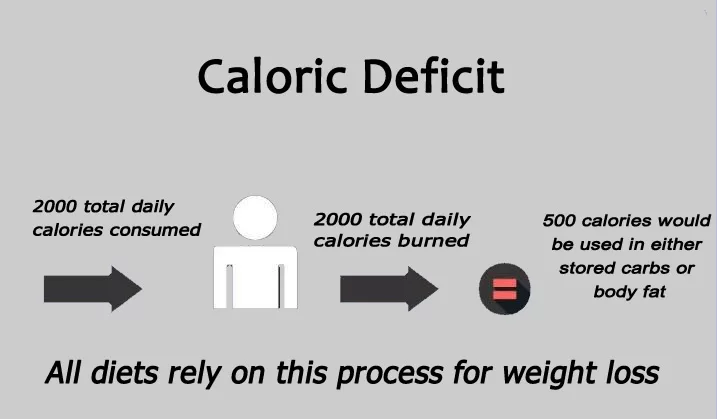
Weight loss occurs when you create a calorie deficit, which means you consume fewer calories than your body needs to maintain its current weight. This deficit forces your body to tap into its stored fat for energy, leading to weight loss over time. It's important to note that a safe and sustainable rate of weight loss is typically 1-2 pounds per week. To achieve this, you need to create a calorie deficit of around 500-1,000 calories per day through a combination of diet and exercise.

Role of Workouts in Creating a calorie deficit

Workouts play a significant role in creating a calorie deficit. When you engage in physical activity, your body burns calories for energy. The intensity and duration of your workouts determine how many calories you burn. Higher-intensity exercises, such as HIIT or cardio workouts, tend to burn more calories in a shorter amount of time. Strength training, on the other hand, helps build lean muscle mass, which increases your metabolism and helps you burn more calories throughout the day, even at rest.

Combination of exercise and diet for effective weight loss

While exercise is crucial for weight loss, it is important to combine it with a balanced and nutritious diet. Exercise alone cannot compensate for a poor diet or excessive calorie intake. A combination of regular workouts and a healthy eating plan maximizes your chances of achieving and maintaining weight loss.

By fueling your body with nutrient-dense foods and incorporating a variety of exercises into your routine, you create a synergistic effect that supports weight loss, improves overall health, and boosts your fitness level. Remember, finding the right balance between exercise and diet is key to achieving effective and sustainable weight loss.

Factors to Consider Before Starting a Workout Routine:

Health and fitness assessment

Before embarking on any workout routine, it's crucial to assess your current health and fitness levels. Consider factors such as any existing medical conditions, previous injuries, or physical limitations that may impact your ability to engage in certain exercises. A health and fitness assessment may involve checking your blood pressure, heart rate, and overall physical capabilities. This evaluation helps ensure that you choose exercises that are safe and suitable for your individual needs.

Setting realistic goals

Setting realistic goals is essential for a successful workout routine. Determine what you want to achieve through exercise, whether it's weight loss, muscle gain, improved cardiovascular endurance, or overall fitness enhancement. Setting specific, measurable, achievable, relevant, and time-bound (SMART) goals allows you to track your progress and stay motivated. Keep in mind that sustainable and long-term changes take time, so be patient and celebrate small milestones along the way.

Consulting with a healthcare professional or fitness expert

Before diving into a new workout routine, it's advisable to consult with a healthcare professional or fitness expert. They can provide valuable guidance based on your individual circumstances. A healthcare professional can assess your overall health and provide recommendations or precautions specific to your condition.

Meanwhile, a fitness expert can help design a tailored exercise plan that aligns with your goals and abilities, ensuring you engage in appropriate exercises and maintain proper form to prevent injuries.

By considering these factors before starting a workout routine, you can ensure a safe and effective fitness journey. Remember, everyone's needs and abilities are different, so personalized guidance is crucial in maximizing the benefits of your workouts while minimizing the risks.

Explore the top 5 workouts for weight loss Benefits, Samples, How to Perform them, and Expected results

1. High-Intensity Interval Training (HIIT)
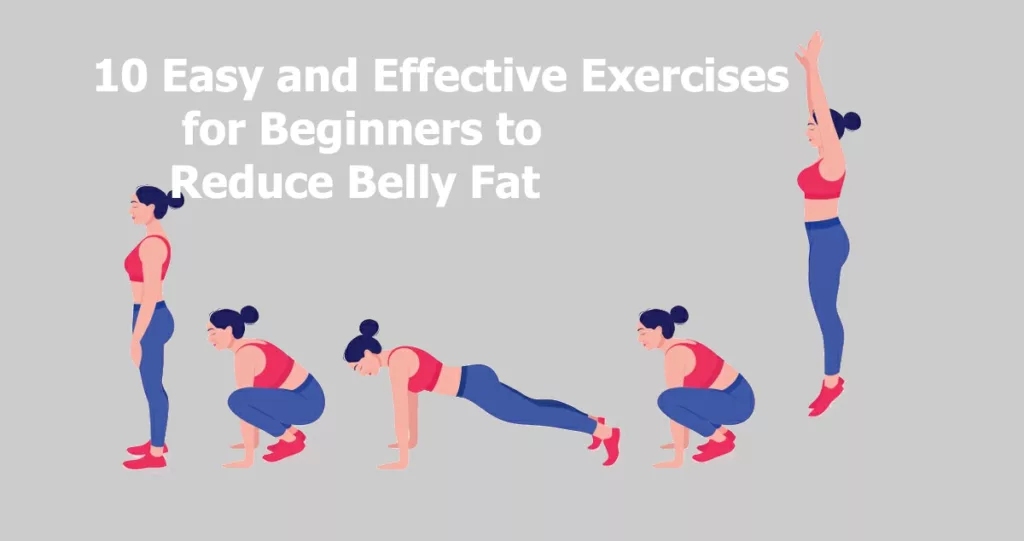
Burpees

High-Intensity Interval Training (HIIT) involves short bursts of intense exercises followed by brief recovery periods. This type of workout elevates your heart rate and boosts your metabolism, resulting in effective calorie burning and fat loss. HIIT workouts are known for their efficiency, as they can be completed in a shorter amount of time compared to traditional cardio exercises.

Sample and how to perform them

A common HIIT workout involves alternating between 20-30 seconds of high-intensity exercises like burpees, jumping jacks, or mountain climbers, followed by 10-15 seconds of rest or low-intensity exercises like walking or jogging in place. Repeat this cycle for 10-20 minutes.

Potential calorie burn and weight loss results

HIIT workouts can burn a significant amount of calories in a short time. On average, you can expect to burn around 200-400 calories in a 20-minute HIIT session. With regular HIIT workouts and a balanced diet, you can achieve weight loss and improve cardiovascular fitness.

2. Strength Training
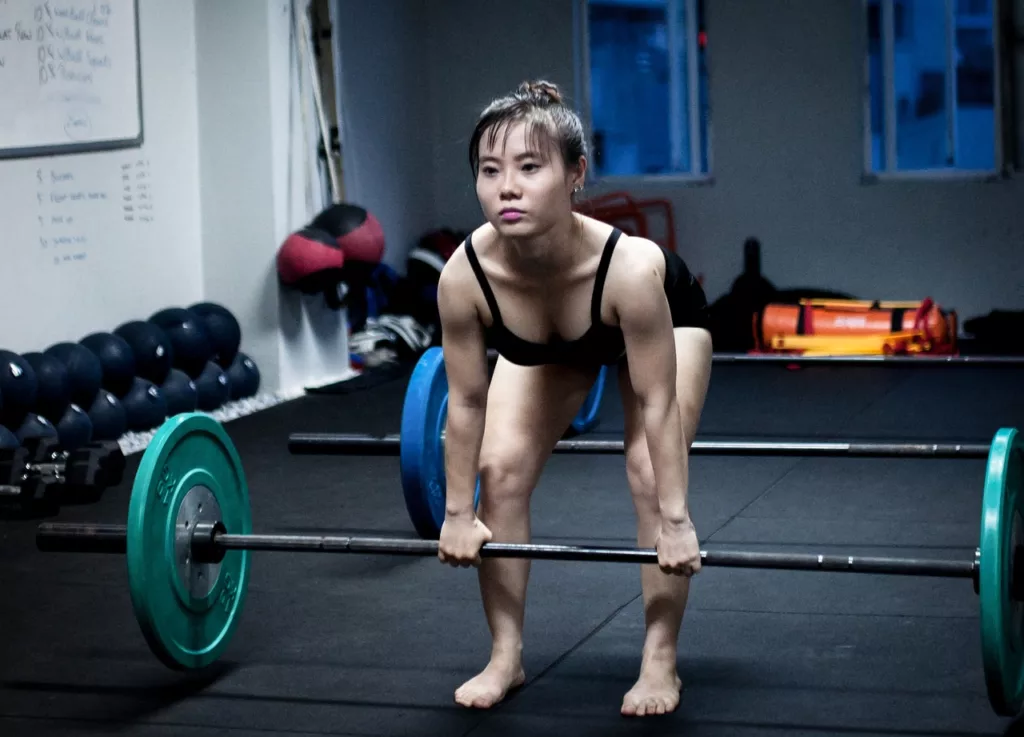
deadlift, dead lift, weightlifting

Strength training involves resistance exercises that target various muscle groups. It helps build lean muscle mass, which increases your metabolism and promotes fat loss. Additionally, strength training improves overall body composition and enhances bone density.

Sample and how to perform them

Strength training exercises can include squats, lunges, deadlifts, push-ups, and weightlifting exercises with dumbbells or resistance bands. Start with lighter weights and gradually increase as you build strength. Aim for 2-3 sets of 8-12 repetitions for each exercise.

Potential calorie burn and weight loss results

While strength training may not burn as many calories during the workout itself compared to cardio exercises, it increases your basal metabolic rate (BMR) in the long term. This means you'll burn more calories even at rest. Additionally, strength training helps maintain muscle mass during weight loss, resulting in a toned physique.

Cardiovascular Exercises

motion blur, cycling, bike-1281675.jpg

Cardiovascular exercises, also known as aerobic exercises, increase your heart rate and help burn calories. These workouts improve cardiovascular health, increase endurance, and promote weight loss.

Sample and how to perform them

Cardio exercises include activities like running, cycling, swimming, dancing, or using cardio machines like the treadmill or elliptical trainer. Aim for 150-300 minutes of moderate-intensity cardio per week or 75-150 minutes of vigorous-intensity cardio.

Potential calorie burn and weight loss results

The calorie burn during cardio exercises varies depending on factors such as intensity, duration, and individual body composition. On average, you can burn around 300-600 calories per hour of moderate-intensity cardio. Regular cardio workouts contribute to weight loss by creating a calorie deficit.

Circuit Training
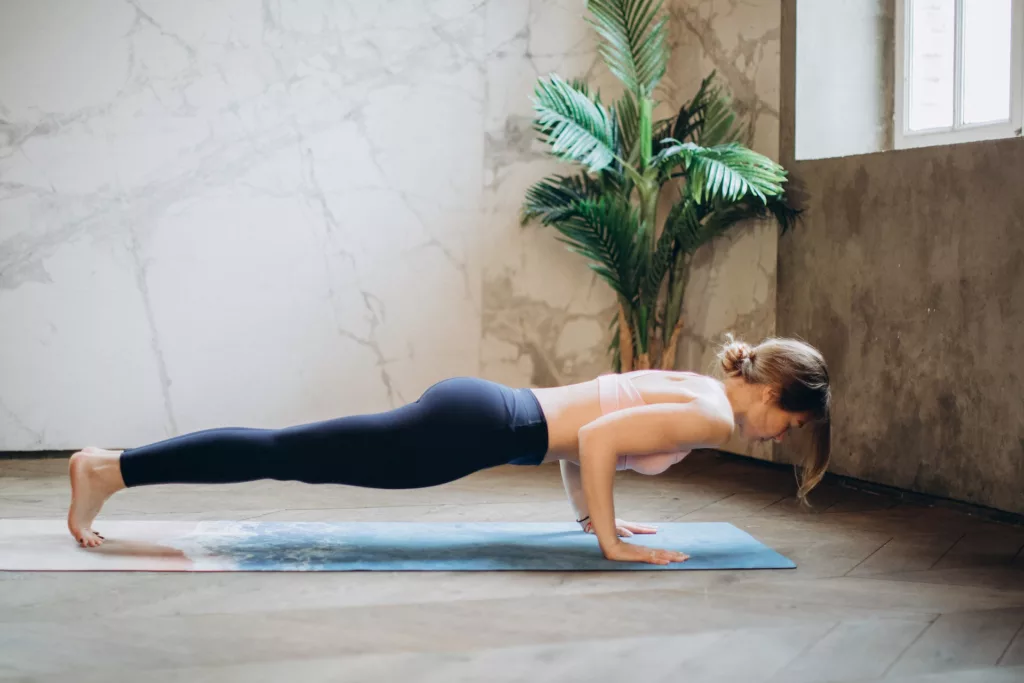
Push Ups
Photo by Elina Fairytale

Circuit training combines strength training and cardiovascular exercises into a fast-paced, full-body workout. It involves performing a series of exercises back-to-back with minimal rest in between, targeting different muscle groups and keeping your heart rate elevated.

Sample and how to perform them

Create a circuit by selecting 5-10 exercises, such as squats, lunges, push-ups, jumping jacks, or planks. Perform each exercise for a set amount of time (e.g., 30 seconds) or a specific number of repetitions (e.g., 10). Move from one exercise to the next without resting, and complete the circuit 2-3 times.

Potential calorie burn and weight loss results

Circuit training can burn a significant amount of calories due to its combination of strength and cardiovascular exercises. The exact calorie burn depends on factors such as intensity and duration. On average, a 30-minute circuit training session can burn approximately 300-500 calories.

5. Outdoor Activities

Outdoor activities provide an enjoyable and refreshing way to lose weight. They offer a change of scenery, fresh air, and the opportunity to engage in physical activities that target different muscle groups

Sample and how to perform them
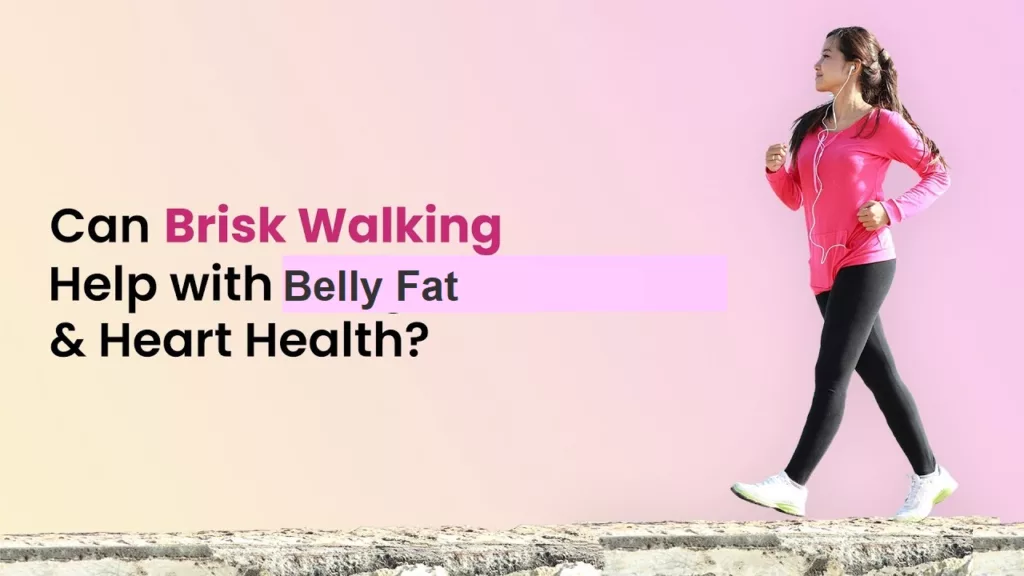
Brisk Walking

Outdoor activities can include brisk walking, jogging, hiking, cycling, swimming, or playing sports like soccer, basketball, or tennis. Choose activities that you enjoy and can sustain for longer durations.

Potential calorie burn and weight loss results

The calorie burned during outdoor activities varies based on the intensity and duration of the activity. On average, activities like brisk walking or jogging can burn around 200-400 calories per hour, while more vigorous activities like cycling or swimming can burn 400-600 calories per hour.

Bottom Line

Embarking on a weight loss journey can be challenging, but with the top 5 best workouts for weight loss, you have the power to transform your body and achieve your fitness goals. By incorporating high-intensity interval training (HIIT), strength training, cardiovascular exercises, circuit training, and outdoor activities into your fitness routine, you're equipped with a diverse and effective arsenal of workouts.

These exercises not only burn calories and shed pounds but also improve cardiovascular health, build strength, and enhance overall fitness. Remember, consistency, dedication, and a balanced diet are key to maximizing the results of these workouts. So, lace up your shoes, grab your workout gear, and embark on this exhilarating journey toward a healthier, fitter, and happier you. You have the power to transform your body and unleash your full potential – go out there and make it happen!

https://sensediary.com/wellness/top-5-best-workouts-for-weight-loss/?feed_id=1217&_unique_id=64c79dc6bd7a5
Sunday, July 30, 2023

The Ultimate Guide to Weight Loss: Tips, Strategies, and Sustainable Methods

Weight loss is a common goal for many individuals seeking a healthier lifestyle. However, achieving sustainable weight loss requires more than just a crash diet or a temporary exercise routine. In this comprehensive guide, we will explore proven tips, effective strategies, and sustainable methods to help you achieve your weight loss goals and maintain a healthy weight in the long term.

Set Realistic Goals

One of the keys to successful weight loss is setting realistic and achievable goals. Start by assessing your current weight, health condition, and desired weight. Consult with a healthcare professional to determine a healthy weight loss range and timeframe that suits your individual needs. By setting specific and realistic goals, you can stay motivated and track your progress effectively.

Create a Calorie Deficit

caloric deficit

Weight loss fundamentally relies on creating a calorie deficit, which means consuming fewer calories than you burn. Calculate your daily caloric needs based on your age, gender, weight, and activity level, and then create a reasonable calorie deficit to achieve gradual weight loss. Remember to consult a healthcare professional or registered dietitian for personalized guidance.

Adopt a Balanced Diet

Focus on adopting a balanced and nutritious diet that includes a variety of whole foods. Emphasize fruits, vegetables, lean proteins, whole grains, and healthy fats. These foods provide essential nutrients, vitamins, and minerals while promoting satiety. Reduce your intake of processed foods, sugary beverages, and excessive sodium, as they often contribute to weight gain and poor health. Be mindful of portion sizes to maintain the calorie deficit and avoid mindless eating.

Practice Mindful Eating

Mindful eating involves paying attention to your body's hunger and fullness cues, eating slowly, and savoring each bite. It helps prevent overeating and allows you to enjoy your food while maintaining a healthy relationship with eating. Engage your senses while eating, chew your food thoroughly, and take breaks between bites. Mindful eating also involves being aware of emotional and environmental triggers that may lead to unhealthy eating habits.

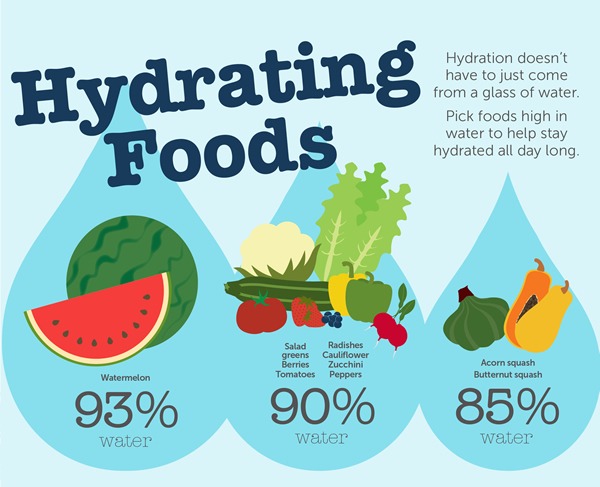
Stay Hydrated

stay hydrated

Water is essential for overall health and plays a crucial role in weight loss. Stay hydrated throughout the day to support your metabolism, control hunger cravings, and enhance your body's ability to burn calories efficiently. Replace sugary beverages with water or herbal teas, and aim to drink at least 8 cups of water per day. Remember to adjust your water intake based on your activity level and climate.

Engage in Regular Physical Activity

woman, jogging, running-2592247.jpg

Incorporate regular exercise into your routine to boost your weight loss efforts. Aim for a combination of cardiovascular exercises, strength training, and flexibility exercises. Cardiovascular exercises like jogging, cycling, or swimming help burn calories, while strength training builds lean muscle mass, which in turn increases your metabolic rate. Additionally, flexibility exercises like yoga or Pilates can improve mobility and promote overall well-being. Find activities you enjoy to make fitness a sustainable part of your lifestyle.

Prioritize Sleep and Stress Management

Adequate sleep and effective stress management are often overlooked aspects of weight loss. Lack of sleep and chronic stress can disrupt hormones responsible for appetite regulation and metabolism. Aim for 7-9 hours of quality sleep each night to support your weight loss goals. Develop healthy bedtime routines, optimize your sleep environment, and limit exposure to electronic devices before bed.

Alongside sleep, prioritize stress management through techniques such as meditation, deep breathing exercises, or engaging in hobbies that bring you joy. Reducing stress levels can prevent emotional eating and support overall well-being.

Track Your Progress

Tracking your progress is an essential aspect of successful weight loss. By keeping a record of your journey, you can monitor your achievements, identify patterns, and stay motivated along the way. Consider using a weight loss journal, where you can document your daily food intake, exercise routines, and emotions related to your journey. Mobile apps and wearable devices offer convenient options for tracking your calorie intake, physical activity, and even sleep patterns.

Regularly reviewing your progress allows you to make adjustments, celebrate milestones, and stay accountable to your goals. Remember, the numbers on the scale aren't the only measure of progress—pay attention to how you feel, your energy levels, and improvements in physical fitness. Embrace the power of tracking as a tool to guide and inspire you throughout your weight loss journey.

Seek Support and Accountability

Seeking support and accountability is crucial for successful weight loss. Surrounding yourself with a supportive network of friends, family, or a weight loss community can provide encouragement, motivation, and valuable insights. Share your weight loss goals with others and communicate your progress openly. Consider joining support groups, both in-person and online, where you can connect with like-minded individuals facing similar challenges.

Additionally, hiring a personal trainer or nutritionist can offer professional guidance tailored to your specific needs and help you stay accountable to your goals. Having someone to share your triumphs and setbacks with can make the weight loss journey less daunting and more enjoyable. Remember, a strong support system can provide the necessary encouragement and motivation to keep you on track, especially during challenging times.

Embrace a Sustainable Lifestyle

Embracing a sustainable lifestyle is crucial for long-term weight loss success. It involves making lasting changes to your habits, behaviors, and mindset to support a healthy weight and overall well-being. Instead of viewing weight loss as a temporary phase, shift your focus to creating a sustainable and enjoyable lifestyle that nourishes your body and mind.

This includes adopting healthy eating habits as a regular part of your routine, engaging in regular physical activity that you genuinely enjoy, prioritizing self-care and stress management, and cultivating a positive relationship with food and your body. By incorporating these sustainable practices into your daily life, you can not only achieve your weight loss goals but also maintain a healthy weight and improve your overall quality of life for years to come.

Remember that the journey to sustainable weight loss is a marathon, not a sprint, so be patient, stay committed, and celebrate the small victories along the way.

Bottom Line

Achieving sustainable weight loss requires a holistic approach that encompasses healthy eating, regular exercise, adequate sleep, stress management, and a supportive environment. By following the tips, strategies, and sustainable methods outlined in this guide, you can embark on a successful weight loss journey that leads to a healthier and happier you. Remember, consistency and perseverance are key, and always consult with healthcare professionals before making significant changes to your diet or exercise routine.

https://sensediary.com/wellness/ultimate-guide-to-weight-loss-tips/?feed_id=1204&_unique_id=64c64c01ead64

Sunday, July 23, 2023

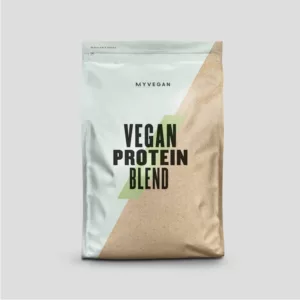
Best Vegan Protein Powder For Weight Loss

Losing weight can be a challenging journey, but it's a journey that many of us embark on to improve our health and well-being. While exercise and a healthy diet are key components to achieving weight loss goals, supplementing your diet with a vegan protein powder can also be a valuable tool to aid in your weight loss efforts.

Vegan protein powders are a great option for those looking for a high-quality source of protein without animal products, which can be important for individuals following a plant-based diet or those with dietary restrictions.

In this article, we will explore the best vegan protein powders for weight loss and provide you with the information you need to make an informed decision on which product to choose. Whether you're a seasoned vegan or simply looking to incorporate more plant-based products into your diet, we've got you covered!

Why Protein is important in Weight Loss

Protein is an essential nutrient that plays a critical role in weight loss. When we consume protein, it helps to build and repair tissues, including muscles, which is especially important during weight loss. As we lose weight, we also tend to lose muscle mass along with fat, which can slow down our metabolism and make it more difficult to lose weight. Consuming enough protein can help to preserve muscle mass and keep our metabolism functioning efficiently.

In addition to building and repairing tissues, protein also helps to keep us feeling full and satisfied after meals, which can prevent overeating and snacking on high-calorie foods. Protein takes longer to digest than carbohydrates or fats, which means it can help to keep us feeling fuller for longer periods of time. As a result, consuming a diet that is high in protein can help to reduce overall calorie intake and promote weight loss.

It's important to note that the amount of protein needed for weight loss can vary depending on factors such as age, sex, weight, and activity level. However, a general recommendation is to consume about 0.36 grams of protein per pound of body weight per day, although this amount can increase for those who are physically active or looking to build muscle mass. Overall, incorporating a sufficient amount of protein into your diet can be an important component of a successful weight loss journey.

Go for Vegan Protein Powder in Your Diet - Better Choice

Vegan protein powder offers a wide range of benefits that make it a popular choice for individuals looking for a high-quality source of protein without animal products. Here's a brief overview of the benefits of vegan protein powder:

  1. Plant-based: Vegan protein powders are made from plant sources such as peas, rice, hemp, and soy, which means they are free from animal products and are suitable for individuals following a vegan or vegetarian diet.
  2. High-quality protein: Despite not containing animal products, vegan protein powders can still provide high-quality protein that is easily digestible and contains all the essential amino acids that the body needs.
  3. Nutrient-rich: Many vegan protein powders also contain other nutrients such as fiber, vitamins, and minerals, which can help to support overall health and well-being.
  4. Low in fat and calories: Vegan protein powders are generally lower in fat and calories than animal-based protein powders, which can be beneficial for individuals looking to lose weight or maintain a healthy weight.
  5. Versatile: Vegan protein powder can be easily incorporated into a variety of recipes and can be used as a convenient and quick snack or meal replacement.

Overall, vegan protein powder is a great option for individuals looking for a high-quality, plant-based source of protein that can offer a wide range of health benefits.

What to Look For in Vegan Protein Powder For Weight Loss

When choosing a vegan protein powder for weight loss, there are several important factors to consider. Here's a brief overview of what to look for:

  1. Protein content: Look for a powder that contains at least 20 grams of protein per serving, as protein is key to preserving muscle mass and keeping you feeling full.
  2. Low in calories: Choose a powder that is low in calories to help keep overall calorie intake in check and promote weight loss.
  3. Low in sugar: Avoid powders that are high in added sugars, as these can contribute to weight gain and negate the benefits of the protein powder.
  4. Fiber Content: Look for a powder that contains fiber, as this can help to keep you feeling full and satisfied after meals.
  5. Nutrient content: Choose a powder that contains additional nutrients such as vitamins and minerals, which can help to support overall health and well-being.
  6. Taste and texture: Choose a powder that you enjoy the taste and texture of, as this can make it easier to incorporate into your diet on a regular basis.
  7. Brand reputation: Choosing a reputable brand can ensure that you are getting a high-quality product that has been rigorously tested for safety and effectiveness. Additionally, reputable brands often have a track record of producing products that are well-tolerated and effective for weight loss, which can provide added peace of mind when choosing a product.

By considering these factors, you can choose a vegan protein powder that is tailored to your weight loss goals and preferences, while also providing the necessary nutrients and protein to support your health and well-being.

Top 5 Best Vegan Protein Powders for Weight Loss

How to Add Vegan Protein Powder into Your Diet Plan

Incorporating vegan protein powder into your weight loss plan can be a simple and effective way to increase your protein intake and support your weight loss goals. Here are a few tips on how to incorporate vegan protein powder into your diet:

  1. Add it to smoothies: Blend vegan protein powder into your favorite smoothie recipe to create a high-protein, nutrient-dense meal or snack.
  2. Use it in baking: You can use vegan protein powder in baking recipes such as muffins or pancakes to increase the protein content.
  3. Mix it into yogurt: Mix vegan protein powder into a serving of yogurt for a quick and easy protein-rich snack.
  4. Add it to oatmeal: Stir vegan protein powder into a bowl of oatmeal for a filling and nutritious breakfast.
  5. Use it in recipes: Many recipes such as energy balls, protein bars, and even savory dishes can be enhanced by the addition of vegan protein powder.

By adding vegan protein powder into your weight loss plan, you can increase your protein intake, support muscle growth and repair, and stay fuller for longer.

Frequently Asked Questions about Vegan Protein Powder and Weight Loss

Is vegan protein powder effective for weight loss?

Yes, vegan protein powder can be effective for weight loss as it can help to increase feelings of fullness, preserve muscle mass, and support a healthy metabolism.

Can vegan protein powder cause weight gain?

No, vegan protein powder on its own is not likely to cause weight gain. However, some brands may contain added sugars or other calorie-dense ingredients that could contribute to weight gain if consumed in excess.

How much of it should I consume for weight loss?

The amount of vegan protein powder you should consume for weight loss will depend on your individual goals and needs. Generally, it's recommended to aim for at least 20 grams of protein per serving, but this may vary depending on your overall protein intake and activity level.

Can vegan protein powder replace meals for weight loss?

While vegan protein powder can be a convenient and nutritious option, it's generally not recommended to rely on it as a complete meal replacement for weight loss. Instead, aim to incorporate it into a well-rounded, balanced diet that includes a variety of whole foods.

Are there any side effects of consuming vegan protein powder for weight loss?

In general, consuming vegan protein powder is safe and well-tolerated by most individuals. However, some people may experience digestive discomfort such as bloating or gas, especially if consuming large amounts or if they have an underlying digestive condition. If you experience any adverse effects, it's recommended to consult with a healthcare professional.

Bottom Line

To recap, vegan protein powder can be a valuable tool for individuals looking to lose weight. High in protein, low calories, high in fiber, and low sugar content among others are the benefits that can't be over-emphasized.

Remember that the best protein powder for weight loss will depend on your individual needs and preferences, so be sure to consider factors such as taste, price, and ingredient quality when making your decision. Additionally, it's important to remember that protein powder should be used as a supplement to a healthy, balanced diet and regular exercise routine.

Do you enjoy this article? Please share with your audience.

https://sensediary.com/wellness/best-vegan-protein-powder-for-weight-loss/?feed_id=1189&_unique_id=64bd88101ff9c

Saturday, July 22, 2023

Natural ways to reduce stress and anxiety

In today's fast-paced world, stress and anxiety have become common and prevalent issues affecting people of all ages and backgrounds. While some level of stress is normal and can be motivating, excessive and chronic stress can have negative impacts on our physical, emotional, and mental well-being.

Anxiety, on the other hand, can cause excessive worry, fear, and uncertainty, leading to further stress and mental health issues. While there are several pharmaceutical and therapeutic treatments available for stress and anxiety, many people are turning towards natural remedies to alleviate their symptoms.

manage stress and anxiety

In this article, we'll explore some of the best natural ways to reduce stress and anxiety, including exercise, mindfulness, breathing techniques, social support, aromatherapy, sleep hygiene, and more.

Exercise

Regular exercise has numerous benefits for both physical and mental health, including reducing stress and anxiety. It is important to find a form of exercise that you enjoy and can stick with, and to make it a regular part of your routine. Always consult with your healthcare provider before starting any new exercise regimen.

Here are some ways that exercise can help:

Reducing stress hormones: Exercise has been shown to decrease the levels of stress hormones, such as cortisol and adrenaline, in the body. These hormones can be helpful in the short term, but chronically elevated levels can lead to anxiety and other health problems.

Releasing endorphins: Exercise also triggers the release of endorphins, which are natural mood boosters. Endorphins can help to reduce feelings of stress and anxiety and promote feelings of well-being.

Improving sleep: Regular exercise can help to improve the quality of your sleep, which can also reduce stress and anxiety. Getting enough restful sleep is important for maintaining good mental health.

Boosting self-confidence: When you exercise regularly and see improvements in your fitness and overall health, it can boost your self-confidence and help to reduce feelings of stress and anxiety.

Providing a distraction: Exercise can provide a healthy distraction from the stresses of daily life. It gives you a chance to focus on something positive and productive and can help you to clear your mind and reduce feelings of anxiety.

Here are some examples of exercises that can help reduce stress and anxiety:

  1. Yoga: Yoga combines physical postures, breathing exercises, and meditation to help reduce stress and improve relaxation.
  2. Walking: Walking is a low-impact exercise that can help reduce stress and anxiety while improving overall fitness.
  3. Running or Jogging: Running or jogging can help reduce stress and anxiety by releasing endorphins, the body's natural mood boosters.
  4. Cycling: Cycling is a great way to reduce stress and anxiety while improving cardiovascular health.
  5. Swimming: Swimming is a low-impact exercise that can help reduce stress and anxiety while providing a full-body workout.
  6. Dancing: Dancing is a fun and creative way to reduce stress and anxiety while improving flexibility and coordination.
  7. Tai Chi: Tai Chi combines slow, gentle movements with deep breathing and meditation to help reduce stress and improve overall well-being.
  8. Strength Training: Strength training can help reduce stress and anxiety by improving overall physical health and promoting a sense of accomplishment and empowerment.

Meditation and Mindfulness

yoga

Meditation and mindfulness are two practices that can help individuals cultivate greater awareness, clarity, and peace of mind.

Meditation involves training the mind to focus on a particular object or idea, such as the breath, a mantra, or a visual image, in order to cultivate a calm and centered state of mind. It has been practiced for thousands of years in various forms and is often associated with spiritual or religious traditions. However, it can also be approached as a secular practice for stress reduction and self-improvement.

Mindfulness, on the other hand, involves paying attention to the present moment with a non-judgmental awareness of one's thoughts, feelings, and sensations. It involves intentionally bringing one's attention back to the present moment and becoming more aware of the patterns and habits of one's mind.

It has gained popularity in recent years as a way to reduce stress and improve well-being and is often taught as part of cognitive-behavioral therapy and other forms of mental health treatment.

Both meditation and mindfulness can be practiced on their own or together and can be beneficial for reducing stress, improving focus and concentration, and increasing overall well-being.

Breathing exercises

Breathing exercises are a powerful tool in reducing stress and anxiety as they can help calm the body's stress response system and bring about a sense of relaxation. When we experience stress and anxiety, our bodies enter a "fight or flight" response, which involves an increase in heart rate, shallow breathing, and muscle tension. This response can be helpful in certain situations, but when it is chronic or excessive, it can lead to negative health outcomes.

Breathing exercises work by activating the body's relaxation response, which counteracts the stress response. By taking slow, deep breaths and focusing on the sensations of the breath, we can reduce the heart rate, relax the muscles, and calm the mind. This can help to reduce feelings of stress and anxiety and promote a greater sense of well-being.

There are many different types of breathing exercises, including diaphragmatic breathing, square breathing, and alternate nostril breathing, among others. These exercises can be done anytime, anywhere, and can be a useful tool in managing stress and anxiety on a daily basis. Incorporating regular breathing exercises into your routine can help you build resilience to stress and improve your overall mental health and well-being.

Different Breathing Excercise

There are several types of breathing exercises that can be helpful in reducing stress and anxiety, improving focus, and promoting relaxation. Here are a few common types and instructions on how to do them:

  1. Diaphragmatic Breathing: This type of breathing focuses on expanding the belly rather than the chest. It helps to increase oxygen levels in the body and promote relaxation.

To do this exercise:

  • Sit or lie down comfortably.
  • Place one hand on your chest and the other hand on your belly.
  • Breathe in slowly through your nose, feeling your belly expand.
  • Exhale slowly through your mouth, feeling your belly deflate.
  • Repeat for several breaths, focusing on the sensations in your body.
  1. Box Breathing: This type of breathing involves taking slow, deep breaths and holding the breath for a brief pause. It can be helpful in reducing feelings of anxiety and promoting calm.

To do this exercise:

  • Sit or stand comfortably.
  • Breathe in slowly through your nose for 4 seconds.
  • Hold your breath for 4 seconds.
  • Exhale slowly through your mouth for 4 seconds.
  • Hold your breath for 4 seconds.
  • Repeat for several breaths, focusing on the sensation of the breath.
  1. Alternate Nostril Breathing: This type of breathing involves breathing in through one nostril and out through the other, alternating between the two nostrils. It can be helpful in reducing stress and anxiety, improving focus, and balancing the body's energy.

To do this exercise:

  • Sit comfortably with your back straight.
  • Use your right thumb to close your right nostril.
  • Inhale slowly through your left nostril.
  • Use your right ring finger to close your left nostril.
  • Exhale slowly through your right nostril.
  • Inhale slowly through your right nostril.
  • Use your right thumb to close your right nostril.
  • Exhale slowly through your left nostril.
  • Repeat for several breaths, focusing on the sensation of the breath.

These are just a few examples of breathing exercises that can be helpful in promoting relaxation, reducing stress and anxiety, and improving focus. It's important to find the type of breathing exercise that works best for you and to practice regularly for maximum benefit.

Social Support

Social support refers to the assistance, guidance, and emotional comfort that individuals receive from their social networks. Research has consistently shown that social support can play a critical role in reducing stress and anxiety levels.

Having a strong social support network can help individuals cope with stressors in their lives, such as difficult work situations, relationship problems, or health concerns. It can provide a sense of belonging, emotional validation, and a sounding board for ideas and concerns.

In times of stress and anxiety, having someone to talk to and receive encouragement from can also boost self-esteem and reduce feelings of isolation. This can help to promote a sense of resilience and improve overall well-being.

Furthermore, social support can help individuals to better manage the physical symptoms of stress and anxiety. For example, studies have shown that individuals who have a strong support network have lower levels of cortisol, a hormone associated with stress, than those who lack such support.

Overall, social support can be a valuable tool for reducing stress and anxiety. Whether through friends, family, or support groups, having access to a supportive network can promote a sense of well-being and improve the overall quality of life.

Ways to Build and Strengthen Social Connection

Social connections are crucial to our well-being and happiness. Here are some ways to build and strengthen social connections:

Join a club or group: Consider joining a club or group that aligns with your interests, such as a book club, hiking group, or volunteer organization.

Attend social events: Attend social events such as parties, dinners, or community events to meet new people.

Reach out to old friends: Reach out to old friends and catch up over coffee or lunch.

Get involved in your community: Volunteer for local events or participate in community organizations to meet people and make a difference.

Use social media: Connect with people on social media platforms such as Facebook, Instagram, or Twitter.

Attend a class or workshop: Take a class or workshop that interests you, such as cooking, painting, or dancing, to meet like-minded people.

Host gatherings: Host gatherings at your home or organize group outings to strengthen relationships with friends and acquaintances.

Remember that building social connections takes time and effort, so be patient and persistent in your efforts. By putting yourself out there and making an effort to connect with others, you can build meaningful relationships that can enhance your life in numerous ways.

Aromatherapy

Essential oils have been used for thousands of years for their therapeutic properties. Many essential oils have calming and soothing effects on the mind and body, making them useful in reducing stress and anxiety. Here are some essential oils that are commonly used for this purpose:

Lavender: Lavender oil is one of the most popular essential oils for reducing stress and anxiety. It has a calming and relaxing effect on the body and mind.

Bergamot: Bergamot oil is known for its ability to reduce anxiety and promote relaxation. It has a fresh, citrusy scent that is uplifting and soothing.

Chamomile: Chamomile oil is a gentle and soothing oil that is often used for relaxation and to reduce stress. It has a warm, sweet, and floral scent.

Ylang Ylang: Ylang Ylang oil has a sweet, floral scent that is known for its ability to reduce anxiety and promote relaxation. It is often used in aromatherapy to create a calming atmosphere.

Frankincense: Frankincense oil has a woody, earthy scent that is grounding and calming. It is often used in meditation and relaxation practices.

Essential oils can be used in various ways to reduce stress and anxiety. One common method is to diffuse them in a room using an essential oil diffuser. They can also be applied topically when diluted with a carrier oil or added to bathwater for a relaxing soak. However, it is important to remember that essential oils should not be used as a substitute for medical treatment and should be used with caution, especially for people with allergies or sensitive skin.

Sleep

Sleep plays a crucial role in managing stress and anxiety. In fact, sleep and stress have a bidirectional relationship, where lack of sleep can lead to increased stress and anxiety, and high levels of stress and anxiety can disrupt sleep.

Here are some ways in which sleep impacts stress and anxiety:

Sleep helps regulate emotions: During sleep, the brain processes and consolidates emotional information, which helps regulate emotions. Lack of sleep can make it difficult to regulate emotions, leading to increased stress and anxiety.

Sleep improves cognitive function: Getting enough sleep is essential for cognitive function, including attention, memory, and decision-making. When we are well-rested, we are better equipped to handle stress and anxiety.

Sleep reduces cortisol levels: Cortisol is a hormone that is released in response to stress. Lack of sleep can lead to increased cortisol levels, which can contribute to feelings of stress and anxiety. Getting enough sleep can help reduce cortisol levels, leading to a more relaxed and calm state.

Sleep enhances immune function: Lack of sleep can weaken the immune system, making us more susceptible to stress and anxiety. Getting enough sleep is essential for maintaining a healthy immune system, which can help protect us from the negative effects of stress and anxiety.

Tips for improving sleep quality

Improving sleep quality can be an effective strategy for managing stress and anxiety. Here are some tips that can help improve sleep quality:

Stick to a regular sleep schedule: Try to go to bed and wake up at the same time every day, even on weekends. This helps regulate your body's sleep-wake cycle and can improve the quality of your sleep.

Create a relaxing bedtime routine: Engage in relaxing activities before bedtime, such as taking a warm bath, reading a book, or listening to calming music. Avoid stimulating activities like watching TV or using electronic devices.

Make your bedroom conducive to sleep: Create a comfortable sleeping environment by keeping your bedroom quiet, cool, and dark. Use comfortable pillows and bedding and consider investing in a high-quality mattress.

Avoid caffeine and alcohol: Caffeine and alcohol can disrupt sleep, so it's best to avoid them in the hours leading up to bedtime.

Exercise regularly: Regular exercise can help reduce stress and anxiety, but avoid exercising close to bedtime as it can be stimulating.

Limit screen time: The blue light emitted by electronic devices can interfere with your body's natural sleep-wake cycle. Try to avoid using electronic devices for at least an hour before bedtime.

Practice relaxation techniques: Techniques such as deep breathing, meditation, and progressive muscle relaxation can help reduce stress and promote relaxation, making it easier to fall asleep and stay asleep.

In conclusion, improving sleep quality can be an effective strategy for managing stress and anxiety. By sticking to a regular sleep schedule, creating a relaxing bedtime routine, making your bedroom conducive to sleep, avoiding caffeine and alcohol, exercising regularly, limiting screen time, and practicing relaxation techniques, you can improve the quality of your sleep and reduce stress and anxiety.

Getting enough sleep is essential for regulating emotions, improving cognitive function, reducing cortisol levels, and enhancing immune function. If you are struggling with stress and anxiety, prioritizing sleep should be a part of your overall wellness plan.

Bottom Line

In conclusion, stress and anxiety are common experiences that can have negative effects on our mental and physical health. While there are many medications available to treat these conditions, there are also several natural ways to reduce stress and anxiety.

These include exercising regularly, practicing relaxation techniques, getting enough sleep, eating a healthy and balanced diet, avoiding caffeine and alcohol, spending time in nature, and connecting with others. By incorporating these natural strategies into our daily lives, we can better manage stress and anxiety and promote overall wellness.

https://sensediary.com/wellness/natural-ways-to-reduce-stress-and-anxiety/?feed_id=1176&_unique_id=64bc35ea8fb85

Friday, July 21, 2023

Unlocking the Secret: Best weight loss program for women over 40

Losing weight can be challenging at any age, but for women over 40, it can be even more difficult. Hormonal changes, a slower metabolism, and busy lifestyles can all make weight loss seem like an uphill battle. Fortunately, there are several weight loss programs designed specifically for women in this age group that can help them achieve their goals.

In this post, we will explore the best weight loss programs for women over 40, taking into consideration their health concerns, fitness level, and dietary preferences. We will also discuss the benefits of each program and provide tips for staying motivated and on track throughout the weight loss journey. Whether you are looking to shed a few pounds or make a significant lifestyle change, this guide will help you find the right weight loss program for your needs.

Factors to consider before choosing a weight loss program

Before choosing a weight loss program, women over 40 should consider several factors to ensure the program is safe and effective for their specific needs. These factors include their medical history and any health concerns they may have, their current fitness level and physical activity, and their dietary preferences and restrictions.

It is important to choose a program that takes these factors into account to avoid potential health risks or unrealistic expectations. Consulting with a healthcare professional or registered dietitian can also provide valuable guidance in selecting a weight loss program that is appropriate for individual needs and goals.

The Best Weight Loss Programs for Women Over 40

Now that you know the basics of weight loss, let's explore the best weight loss programs for women over 40. There are many programs and diets out there, but not all of them are safe, effective, or sustainable. Here are some of the most popular ones:

Nutrisystem

Nutrisystem is a popular weight loss program that provides pre-packaged meals and snacks to help individuals lose weight and maintain a healthy lifestyle. While the program has many benefits, there are also some potential drawbacks to consider. Here are some of the pros and cons of the Nutrisystem program:

Pros:

  • Convenient and easy to follow: Nutrisystem provides pre-packaged meals and snacks that are easy to prepare and can be eaten on the go, making it a convenient option for those with busy lifestyles.
  • Structured meal plan: The program provides a structured meal plan that eliminates the need for calorie counting and food tracking, making it easier for individuals to stay on track with their weight loss goals.
  • Personalized coaching and support: Nutrisystem offers personalized coaching and support through online resources and coaching sessions, helping individuals to stay motivated and on track with their weight loss goals.
  • Variety of meal options: The program offers a variety of meal plans, including vegetarian and diabetic-friendly options, to meet the needs of different individuals.
  • Clinically proven results: The program has been clinically proven to help people lose weight and improve their overall health.

Cons:

  • Cost: The program can be expensive, especially if individuals choose to use it long-term.
  • Limited flexibility: The pre-packaged meals and snacks limit individuals' choices and can be restrictive for some.
  • Lack of variety: Despite offering a variety of meal plans, the pre-packaged meals can become repetitive and may not appeal to everyone.
  • Not a long-term solution: While Nutrisystem can be effective for short-term weight loss, it may not be a sustainable long-term solution for individuals who want to maintain their weight loss over time.
  • Potential for boredom: Eating pre-packaged meals can become monotonous and individuals may miss the enjoyment of preparing and cooking their own meals.

Overall, Nutrisystem can be a convenient and effective weight loss program for individuals who are looking for a structured meal plan and personalized coaching and support. However, it may not be suitable for everyone and individuals should consider their own needs and preferences before starting the program.

Mediterranean Diet

The Mediterranean Diet is a popular dietary pattern that emphasizes whole, minimally processed foods and healthy fats. While it is not specifically designed as a weight loss program, many people have found success in losing weight and improving their health by following this diet. Here are some of the pros and cons of the Mediterranean Diet as a weight loss program:

Pros:

  • Emphasizes whole, nutrient-dense foods: The Mediterranean Diet encourages the consumption of fruits, vegetables, whole grains, lean protein, and healthy fats, which can provide the body with the nutrients it needs to function optimally and support weight loss.
  • Flexible and adaptable: The Mediterranean Diet is a flexible dietary pattern that can be adapted to fit individual needs and preferences. This can make it easier to stick to and maintain over the long term.
  • May reduce the risk of chronic diseases: The Mediterranean Diet has been linked to a reduced risk of heart disease, diabetes, and other chronic conditions, which can improve overall health and support weight loss.
  • Encourages mindful eating: The Mediterranean Diet encourages the enjoyment of food and mindful eating practices, such as eating slowly, savoring flavors, and paying attention to hunger and fullness cues.

Cons:

  • Can be high in calories: While the Mediterranean Diet encourages the consumption of healthy fats, these can be calorie-dense and may contribute to weight gain if consumed in excess.
  • May be difficult to follow for some: The Mediterranean Diet may require some adjustments to traditional dietary habits, such as reducing red meat consumption and increasing vegetable intake, which may be challenging for some people.
  • May not be suitable for everyone: The Mediterranean Diet may not be appropriate for individuals with certain medical conditions or dietary restrictions, such as those who require a low-fat diet or avoid certain foods due to allergies or intolerances.
  • May require additional planning and preparation: The Mediterranean Diet emphasizes whole, minimally processed foods, which may require more planning and preparation than a more convenience-focused diet.

In summary, the Mediterranean Diet can be an effective weight loss program for those who are able to adhere to its principles. However, as with any dietary pattern, it may not be suitable for everyone and may require some adjustments and planning to fit individual needs and preferences.

Weight Watchers

Weight Watchers is a well-known weight loss program that has been around for several decades. The program emphasizes a balanced diet, regular physical activity, and behavioral modification to support weight loss and improve overall health. Here are some of the pros and cons of Weight Watchers as a weight loss program:

Pros:

  • Emphasizes a balanced diet: The Weight Watchers program encourages the consumption of a variety of foods, including fruits, vegetables, lean proteins, and whole grains, which can provide the body with the nutrients it needs to function optimally and support weight loss.
  • Provides accountability and support: The Weight Watchers program includes regular meetings or online coaching sessions, which can provide accountability and support to individuals as they work towards their weight loss goals.
  • Flexible and adaptable: The Weight Watchers program offers a variety of food choices and allows for flexibility in food choices, which can make it easier to stick to and maintain over the long term.
  • Encourages lifestyle changes: The Weight Watchers program emphasizes the importance of regular physical activity and behavioral modification, which can support long-term weight loss and improve overall health.

Cons:

  • Requires membership fees: The Weight Watchers program requires membership fees, which can be a barrier for some individuals who may not be able to afford them.
  • Can be time-consuming: The Weight Watchers program requires tracking of food intake and activity, which can be time-consuming and may not be practical for some individuals.
  • May not be suitable for everyone: The Weight Watchers program may not be appropriate for individuals with certain medical conditions or dietary restrictions, such as those who require a low-fat diet or avoid certain foods due to allergies or intolerances.
  • Weight loss may be slow: While the Weight Watchers program emphasizes slow and steady weight loss, some individuals may find the rate of weight loss to be too slow or not sufficient for their goals.

In summary, the Weight Watchers program can be an effective weight loss program for those who are able to commit to its principles and are willing to pay the membership fees. However, as with any weight loss program, it may not be suitable for everyone and may require some adjustments and modifications to fit individual needs and preferences.

The Whole30

The Whole30 is a popular 30-day dietary program that involves eliminating certain food groups, such as grains, dairy, sugar, and processed foods, to support health and weight loss. While it is not specifically designed as a weight loss program, many people have found success in losing weight and improving their health by following this diet. Here are some of the pros and cons of The Whole30 as a weight loss program:

Pros:

  • Encourages the consumption of whole, nutrient-dense foods: The Whole30 program encourages the consumption of whole, nutrient-dense foods, such as fruits, vegetables, lean proteins, and healthy fats, which can provide the body with the nutrients it needs to function optimally and support weight loss.
  • May help identify food sensitivities: By eliminating certain food groups for 30 days, The Whole30 program can help individuals identify food sensitivities and intolerances that may be contributing to weight gain and other health issues.
  • Can improve overall health: The Whole30 program may improve overall health markers, such as blood sugar, cholesterol, and inflammation levels, which can support weight loss and improve overall well-being.
  • Encourages mindful eating: The Whole30 program encourages the enjoyment of food and mindful eating practices, such as eating slowly, savoring flavors, and paying attention to hunger and fullness cues.

Cons:

  • Eliminates certain food groups: The Whole30 program eliminates certain food groups, such as grains, dairy, and legumes, which may make it difficult for some individuals to meet their nutrient needs and may not be sustainable over the long term.
  • Can be challenging to follow: The Whole30 program requires strict adherence to a specific set of dietary rules for 30 days, which can be challenging and may not be practical for everyone.
  • May be too restrictive for some: The Whole30 program may be too restrictive for some individuals, leading to feelings of deprivation, binge eating, or disordered eating behaviors.
  • May not address underlying issues: The Whole30 program does not address underlying psychological or emotional issues that may contribute to weight gain or unhealthy eating habits.

In summary, The Whole30 can be an effective weight loss program for those who are able to adhere to its principles and are not limited by the elimination of certain food groups. However, as with any dietary program, it may not be suitable for everyone and may require some adjustments and modifications to fit individual needs and preferences.

Low-Carb Diet

A low-carb diet is a way of eating that restricts or eliminates carbohydrates, such as bread, pasta, rice, and sugar. Instead, it emphasizes protein, fat, and non-starchy vegetables. Low-carb diets have been shown to lower insulin levels, increase fat burning, and improve weight loss and metabolic health.

Pros:

  • Can be effective for rapid weight loss
  • Can improve insulin sensitivity and blood sugar control
  • Can reduce cravings and hunger
  • Can increase energy and mental clarity

Cons:

  • May be hard to sustain long-term
  • May be restrictive or monotonous
  • May not provide enough fiber or nutrients
  • May not be suitable for athletes or people with certain medical conditions

Before starting any weight loss program, women over 40 should consult with their healthcare provider to ensure that it is safe and appropriate for their individual needs and health status. They should also focus on developing healthy habits, such as regular exercise, stress management, and adequate sleep, to support long-term weight loss and overall health.

Exercise in Weight Loss for Women Over 40

exercise and women

While diet is a crucial component of weight loss, exercise is equally important, especially for women over 40. Exercise helps you burn calories, build muscle, and improve your mood and energy levels. It also has many health benefits, such as reducing the risk of chronic diseases and improving bone density and joint health. However, not all exercises are created equal.

As you age, you may need to adjust your exercise routine to accommodate for any health issues, injuries, or mobility limitations you may have. Here are some tips for exercising safely and effectively:

  • Choose activities that you enjoy and that challenges you at your current fitness level.
  • Incorporate a variety of activities, such as cardio, strength training, and flexibility exercises.
  • Start slowly and gradually increase intensity and duration over time.
  • Use proper form and technique to avoid injury.
  • Listen to your body and rest when needed.
  • Seek professional guidance if you have any medical concerns or questions.

How to Stay Motivated and on Track

Staying motivated and on track with a weight loss program can be challenging, especially for women over 40. Here are some tips to help stay motivated and on track:

Set realistic goals: Set achievable and realistic weight loss goals, and break them down into smaller, manageable milestones. Celebrate each milestone achieved, and use it as motivation to continue.

Create a support system: Surround yourself with a supportive network of family, friends, or a support group who can encourage and motivate you throughout your weight loss journey.

Keep a food and exercise diary: Keep a record of your food intake and physical activity to help you stay on track and accountable. Use a weight loss app or a journal to track your progress.

Mix up your exercise routine: Incorporate a variety of physical activities that you enjoy, such as dancing, swimming, or hiking, to keep your workouts interesting and challenging.

Practice self-care: Take care of your physical, emotional, and mental health by getting enough sleep, managing stress, and practicing relaxation techniques like meditation or yoga.

Reward yourself: Celebrate your progress by treating yourself to non-food rewards, such as a new workout outfit, a massage, or a fun activity with friends.

Stay positive: Focus on the positive changes you're making, rather than dwelling on setbacks or slip-ups. Remember that weight loss is a journey, and progress is not always linear.

Bottom Line

In conclusion, there are several weight loss programs available for women over 40 that can help them achieve their weight loss goals safely and effectively. By considering factors such as their medical history, fitness level, and dietary preferences, women can select a program that meets their specific needs and goals.

The Mediterranean diet, the DASH diet, Weight Watchers, Jenny Craig, and Nutrisystem are all excellent programs that cater to the needs of women over 40, offering numerous health benefits and weight loss support.

It's important to remember that weight loss is a journey that requires commitment, motivation, and a support system. By following the tips and strategies provided in this guide, women can stay on track and achieve their weight loss goals while also improving their overall health and well-being.

https://sensediary.com/wellness/lose-weight-after-40/?feed_id=1163&_unique_id=64bae44a47beb

Thursday, July 20, 2023

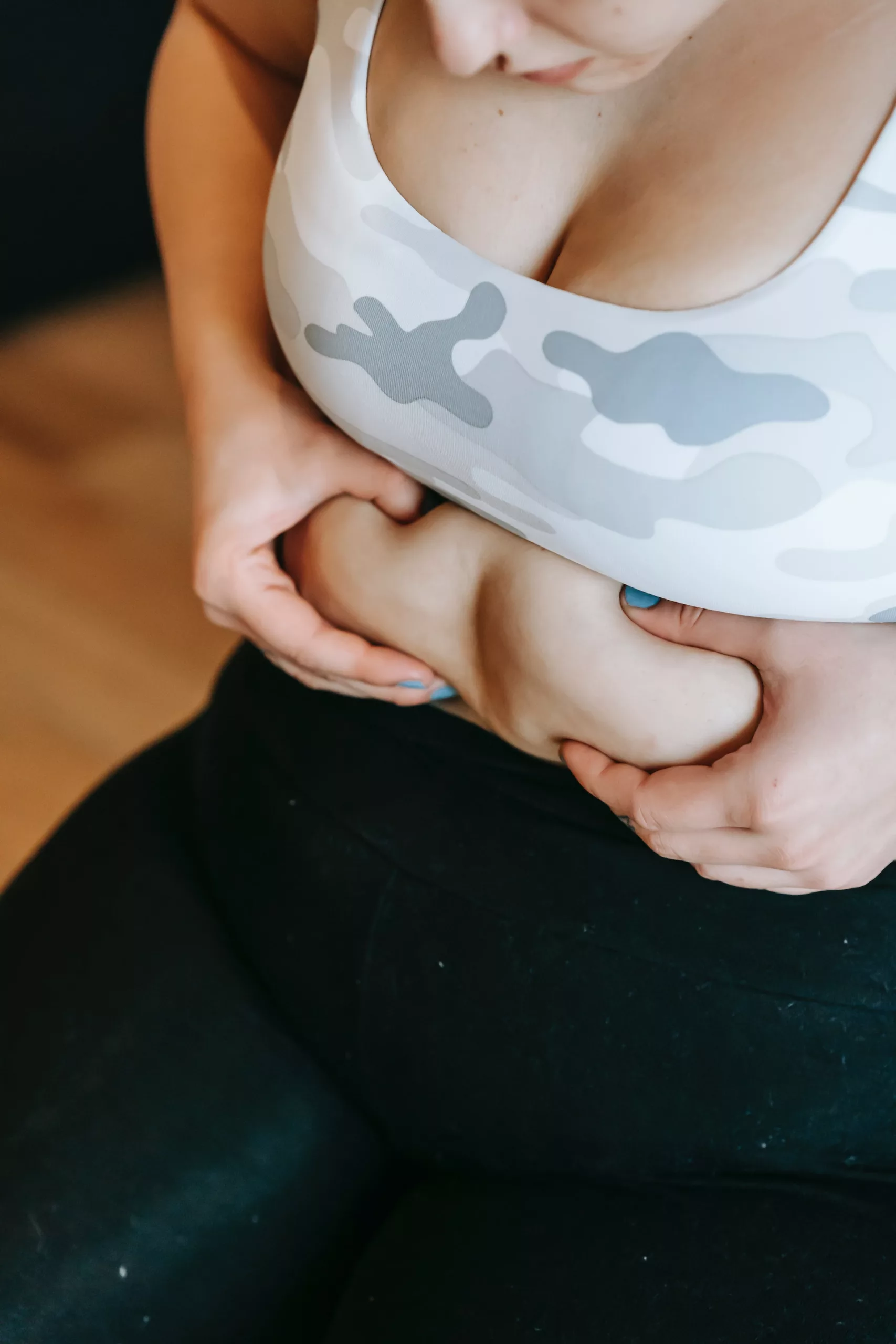
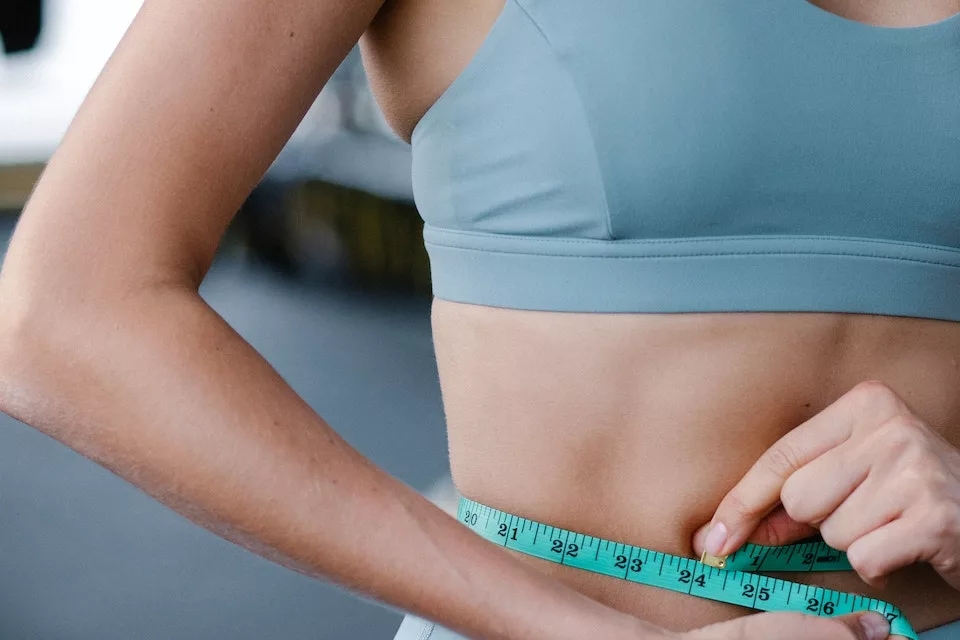
10 Easy and Effective Exercises for Beginners to Reduce Belly Fat

Excess belly fat is a common concern for many people, and it's not just about aesthetics. Belly fat, also known as visceral fat, is a major risk factor for various health issues such as heart disease, type 2 diabetes, and some cancers. That's why reducing belly fat should be a priority for anyone who wants to improve their health.

One of the best ways to reduce belly fat is through exercise. In fact, research has shown that regular exercise is more effective in reducing belly fat than dieting alone. In this blog post, we will share 10 easy and effective exercises for beginners to help reduce belly fat. These exercises don't require any special equipment and can be done at home or in a gym. By incorporating these exercises into your routine, you'll not only reduce belly fat but also improve your overall health and well-being.

This article provides an actionable guide, on how to start a new routine, and how to get started with exercise and resue belly fat in a safe and effective way.

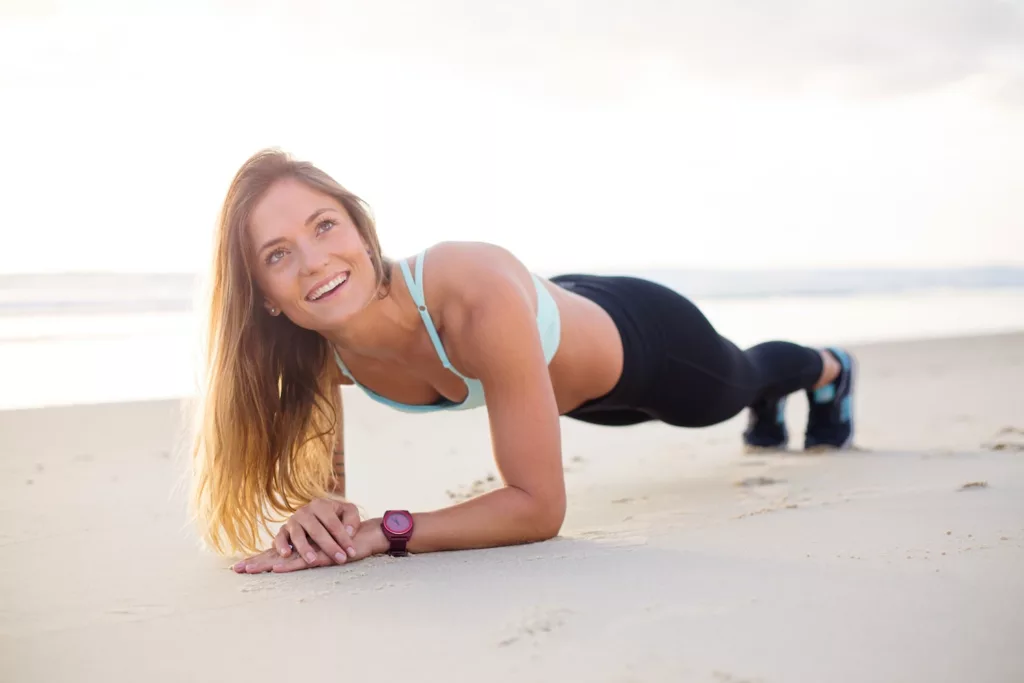
Plank

plank exercise position

The plank exercise is a highly effective exercise for reducing belly fat and toning the core muscles. To perform the plank, start by getting into a push-up position with your arms straight and your wrists directly beneath your shoulders. Engage your core muscles and hold your body in a straight line from head to heels, making sure to keep your hips level. Hold this position for 30-60 seconds, or as long as you can maintain proper form.

The benefits of the plank exercise include strengthening the core muscles, improving posture, and reducing the risk of back pain. By holding the body in a straight line, the plank engages multiple muscle groups, including the rectus abdominis, transverse abdominis, and obliques. Additionally, because the plank does not require any equipment, it can be performed anywhere and is an excellent addition to any home workout routine.

For beginners, there are several variations of the plank that can be performed to make the exercise more accessible. One option is the modified plank, which involves holding the same position but with your knees on the ground instead of your toes. Another variation is the side plank, which involves balancing on one forearm and lifting the hips off the ground to engage the obliques.

Overall, the plank exercise is a simple yet highly effective exercise for reducing belly fat and toning the core muscles, making it an excellent addition to any exercise routine for beginners.

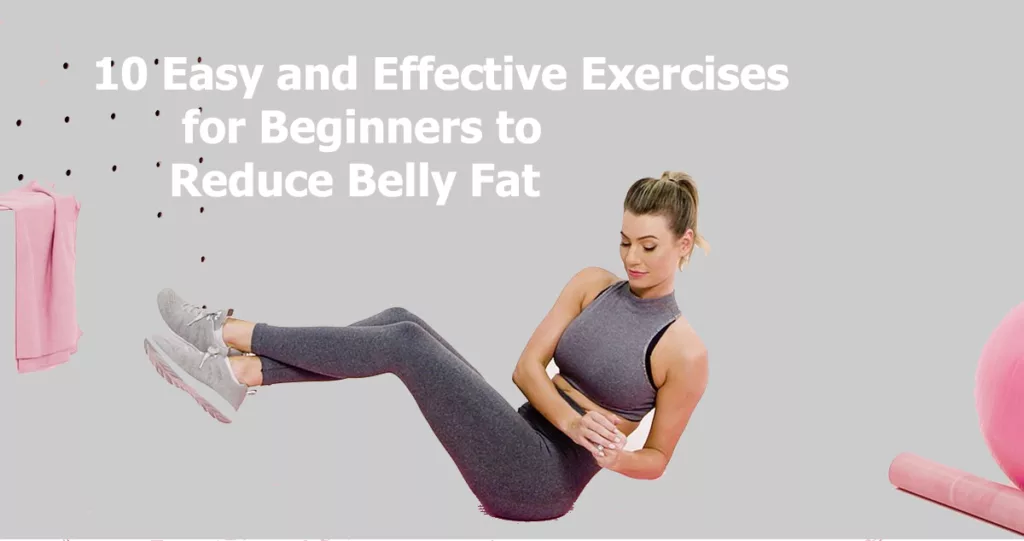
Russian Twist

Russian Twist

Russian twist is an effective exercise for strengthening the core muscles and reducing belly fat. It targets the obliques, which are the muscles located on the sides of the waist.

To perform a Russian twist, sit on the floor with your knees bent and feet flat on the ground. Lean back slightly until your abs engage. Clasp your hands together and lift them in front of your chest. Twist your torso to the right, bringing your hands over to touch the floor on the right side of your body. Then, twist your torso to the left, bringing your hands over to touch the floor on the left side of your body.

One of the benefits of the Russian twist is that it engages multiple muscle groups at once, including the abs, obliques, and lower back muscles. This helps to strengthen the core and increase overall stability. Additionally, by engaging the oblique muscles, this exercise helps to reduce belly fat and improve the appearance of the waistline.

For beginners, it's important to start with a slow and controlled movement to avoid any strain or injury. As you become more comfortable with the exercise, you can increase your speed and intensity. To make the exercise easier, you can perform it with your feet on the ground or with a smaller range of motion. To make it more challenging, you can hold a weight or medicine ball while performing the exercise, or lift your feet off the ground.

Crunches

crunches
Photo by Gustavo Fring

Crunches are a popular exercise for strengthening the abdominal muscles and reducing belly fat. They target the rectus abdominis, which is the muscle that runs vertically along the front of the abdomen.

To perform a basic crunch, lie on your back with your knees bent and feet flat on the ground. Place your hands behind your head or across your chest. Use your abs to lift your head, neck, and shoulders off the ground, while keeping your lower back pressed into the floor. Then, lower your upper body back down to the starting position.

One of the benefits of crunches is that they can help to tone and tighten the abdominal muscles, leading to a flatter and more defined belly. Additionally, by engaging the core muscles, this exercise can help to improve posture and reduce the risk of lower back pain.

For beginners, it's important to focus on maintaining proper form throughout the exercise to avoid any strain or injury. Start with a small number of repetitions and gradually increase as you become more comfortable. To make the exercise easier, you can perform it with your hands supporting your head or with a smaller range of motion. To make it more challenging, you can hold a weight or medicine ball while performing the exercise, or add a twist at the top of the movement to engage the oblique muscles.

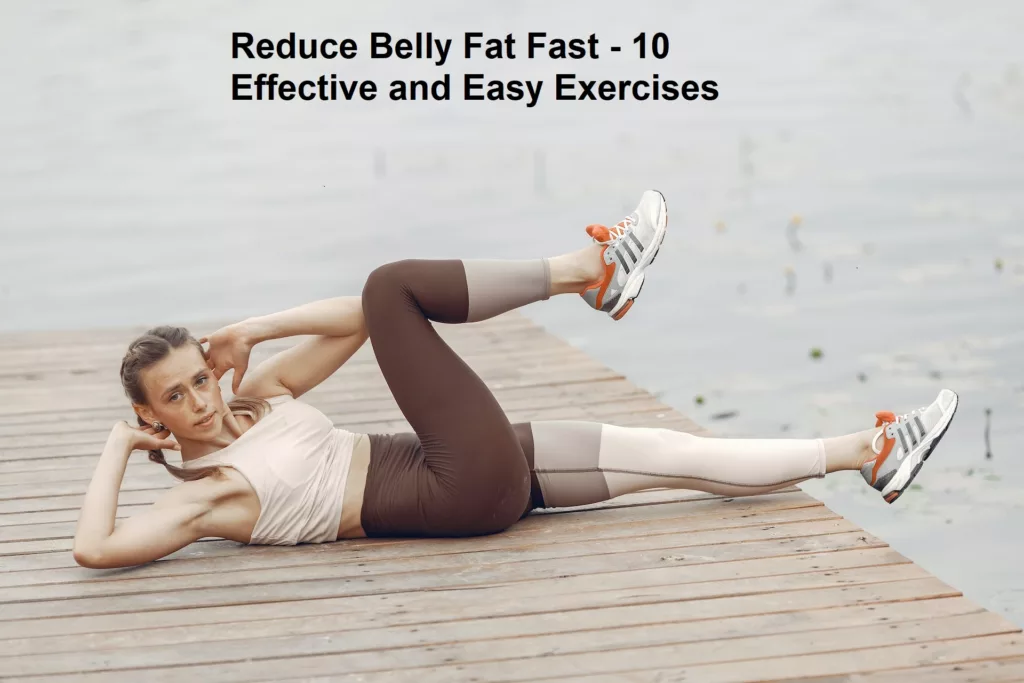
Bicycle Crunches

bicycle crunches

Bicycle crunches are a great exercise for reducing belly fat and strengthening the core muscles. They target the rectus abdominis, as well as the obliques and lower abs.

To perform bicycle crunches, lie on your back with your knees bent and your hands behind your head. Lift your head, neck, and shoulders off the ground and bring your left elbow towards your right knee, while extending your left leg straight. Then, switch sides, bringing your right elbow towards your left knee, while extending your right leg straight. Continue alternating sides in a bicycle pedaling motion.

One of the benefits of bicycle crunches is that they engage multiple muscle groups at once, resulting in a more effective workout for reducing belly fat and toning the abdominal muscles. Additionally, they can help to improve balance and coordination, as well as increase flexibility in the hip flexors.

For beginners, it's important to focus on maintaining proper form and starting with a small number of repetitions. As you become more comfortable with the exercise, you can increase the number of repetitions or add weights to make it more challenging. To make the exercise easier, you can perform it with your hands supporting your head or with a smaller range of motion. To make it more challenging, you can perform a double-leg extension, where both legs are extended at the same time.

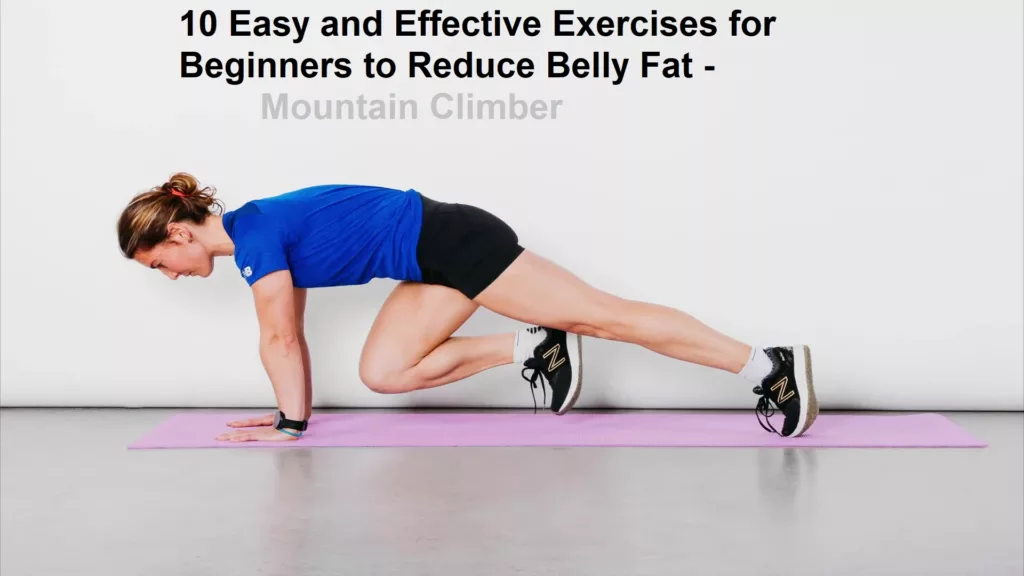
Mountain Climbers

Mountain Climber

Mountain climbers are a high-intensity exercise that targets multiple muscle groups, including the abs, obliques, arms, and legs. They are a great exercise for reducing belly fat and improving overall fitness.

To perform mountain climbers, start in a high plank position with your hands shoulder-width apart and your toes on the ground. Bring one knee towards your chest and then switch, bringing the other knee towards your chest while extending the opposite leg back. Alternate between each leg in a running motion.

One of the benefits of mountain climbers is that they engage the entire body, resulting in an increased calorie burn and a more effective workout for reducing belly fat. Additionally, they can help to improve cardiovascular fitness, increase endurance, and strengthen the core muscles.

For beginners, it's important to focus on maintaining proper form throughout the exercise and starting with a small number of repetitions. As you become more comfortable with the exercise, you can increase the number of repetitions or speed up the movement to make it more challenging. To make the exercise easier, you can slow down the movement or perform it with your hands on an elevated surface, such as a bench or chair. To make it more challenging, you can perform a cross-body mountain climber, where you bring your opposite knee towards your opposite elbow.

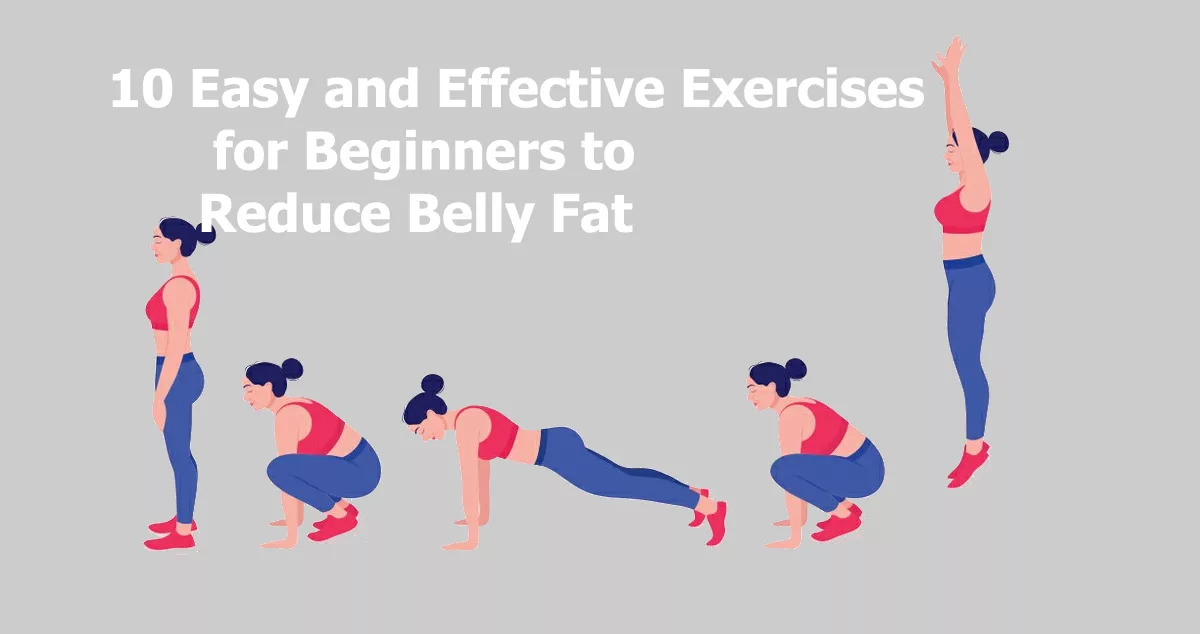
Burpees

Burpees

Burpees are full-body exercises that can help to reduce belly fat, increase endurance, and improve overall fitness. They are challenging exercise that targets multiple muscle groups, including the arms, legs, and core.

To perform a burpee, start in a standing position, then drop down into a squat position with your hands on the ground in front of you. Kick your feet back into a plank position and then immediately jump your feet back towards your hands. From there, jump up explosively with your arms overhead, then return to the starting position.

One of the benefits of burpees is that they can help to increase heart rate and burn calories, making them an effective exercise for reducing belly fat. Additionally, they can improve coordination, agility, and overall strength.

For beginners, it's important to start with a small number of repetitions and focus on maintaining proper form throughout the exercise. To make the exercise easier, you can remove the jump or step your feet back one at a time instead of jumping them back. To make the exercise more challenging, you can add a push-up in the plank position or perform a double burpee, where you jump twice instead of once. It's important to listen to your body and only perform variations that are appropriate for your fitness level.

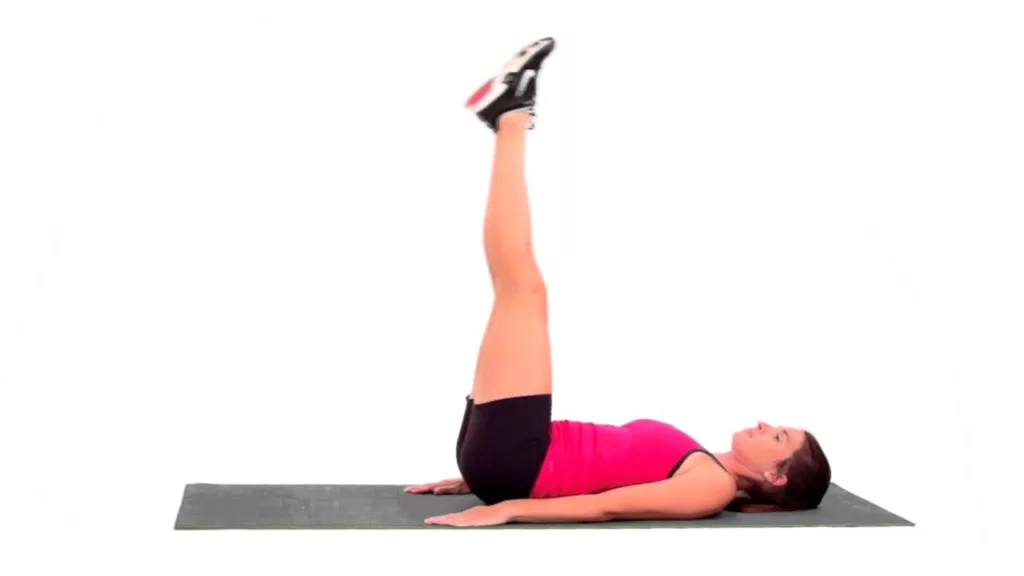
Leg Raises

raise leg

Leg raises are a simple but effective exercise for targeting the lower abdominal muscles and reducing belly fat. They are a great exercise for beginners as they require no equipment and can be performed anywhere.

To perform leg raises, lie flat on your back with your arms at your sides. Slowly lift your legs off the ground, keeping them straight, until they are perpendicular to the floor. Hold the position for a few seconds before lowering your legs back down to the starting position.

One of the benefits of leg raises is that they specifically target the lower abs, which can be difficult to engage with other exercises. Additionally, they can help to improve posture, increase core strength, and reduce the risk of back pain.

For beginners, it's important to start with a small number of repetitions and focus on maintaining proper form throughout the exercise. To make the exercise easier, you can perform bent knee leg raises or hold onto a stable surface, such as a bench or chair, for support. To make the exercise more challenging, you can add ankle weights or perform double leg raises, where you lift both legs at the same time. It's important to listen to your body and only perform variations that are appropriate for your fitness level.

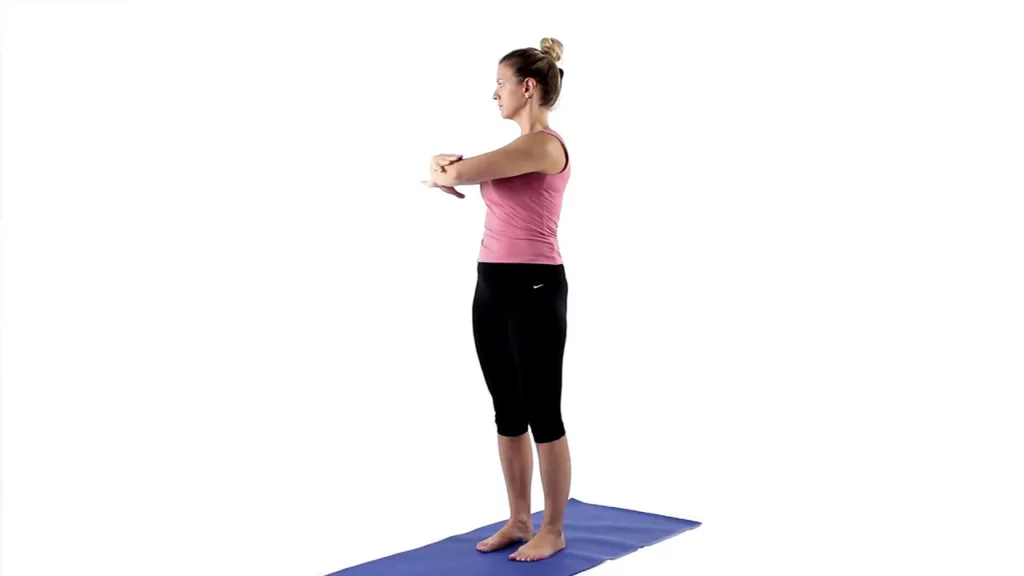
Standing Twist

Standing Twist

Standing twists are a simple exercise that can help to target the oblique muscles and reduce belly fat. They are a great exercise for beginners as they can be performed anywhere and require no equipment.

To perform standing twists, stand with your feet shoulder-width apart and your arms extended out to the sides. Twist your torso to the right, bringing your left arm across your body as you do so. Hold the position for a few seconds before returning to the starting position and repeating on the other side.

One of the benefits of standing twists is that they target the oblique muscles, which can help to create a more defined waistline and reduce love handles. Additionally, they can improve spinal mobility and reduce the risk of back pain.

For beginners, it's important to start with a small number of repetitions and focus on maintaining proper form throughout the exercise. To make the exercise easier, you can perform the twists without any added resistance or hold onto a stable surface, such as a chair or wall, for support. To make the exercise more challenging, you can add weights or perform the twists on a balance ball. It's important to listen to your body and only perform variations that are appropriate for your fitness level.

Jogging or Brisk Walking

Brisk Walking

Jogging or brisk walking are simple aerobic exercises that can help to reduce belly fat and improve overall cardiovascular health. They are a great exercise for beginners as they require no equipment and can be performed outdoors or indoors on a treadmill.

To perform jogging or brisk walking, simply start walking at a steady pace. Gradually increase your pace to a brisk walk or jog, maintaining a steady rhythm for a set amount of time or distance. Aim to do at least 30 minutes of moderate-intensity aerobic exercise most days of the week for optimal health benefits.

One of the benefits of jogging or brisk walking is that they are effective in burning calories and reducing overall body fat, including belly fat. Additionally, they can improve cardiovascular health, boost mood, and increase energy levels.

For beginners, it's important to start with a pace that is comfortable and maintainable for the desired duration. You can also vary the intensity of the exercise by incorporating intervals of higher-intensity jogging or incline walking. It's important to listen to your body and only perform variations that are appropriate for your fitness level. As you become more comfortable with the exercise, gradually increase the duration and intensity to continue seeing progress.

Bottom Line

Incorporating 10 easy and effective exercises for beginners to reduce belly fat can help to improve overall health, increase fitness levels, and achieve a more toned and defined midsection. However, it's important to remember that consistency and patience are key. Results may not be immediate, but with dedication and persistence, progress will come.

It's important to listen to your body, start with a comfortable pace, and gradually increase intensity and duration over time. Remember to also incorporate healthy eating habits and prioritize rest and recovery.

Incorporating exercise into your daily routine can be challenging, but it's important to stay motivated and focused on the end goal. Remember why you started and celebrate small victories along the way.

In the end, consistency and patience will pay off, and you will begin to see the results you've been working towards. So, don't give up and keep pushing forward towards a healthier, fitter you!

https://sensediary.com/wellness/10-exercise-that-reduce-belly-fat/?feed_id=1150&_unique_id=64b991ec12cbc