Friday, June 30, 2023

Top 5 Best Workouts for Weight Loss: Get Fit and Shed Pounds

Regular exercise plays a crucial role in achieving weight loss goals and maintaining overall fitness. For those aiming to shed pounds and improve their health, incorporating effective workouts into their routine is essential. Engaging in physical activity not only helps burn calories but also boosts metabolism, enhances cardiovascular health, and increases muscle strength.

In this blog post, we will explore the top 5 workouts for weight loss, providing you with valuable insights and practical tips to get fit and shed those extra pounds. Whether you are a beginner or an experienced fitness enthusiast, these workouts will help you kickstart your weight loss journey and pave the way for a healthier, happier you. So, let's dive in and discover the power of exercise in transforming your body and life.

Understanding Weight Loss

Weight loss occurs when you create a calorie deficit, which means you consume fewer calories than your body needs to maintain its current weight. This deficit forces your body to tap into its stored fat for energy, leading to weight loss over time. It's important to note that a safe and sustainable rate of weight loss is typically 1-2 pounds per week. To achieve this, you need to create a calorie deficit of around 500-1,000 calories per day through a combination of diet and exercise.

Role of Workouts in Creating a calorie deficit

Workouts play a significant role in creating a calorie deficit. When you engage in physical activity, your body burns calories for energy. The intensity and duration of your workouts determine how many calories you burn. Higher-intensity exercises, such as HIIT or cardio workouts, tend to burn more calories in a shorter amount of time. Strength training, on the other hand, helps build lean muscle mass, which increases your metabolism and helps you burn more calories throughout the day, even at rest.

Combination of exercise and diet for effective weight loss

While exercise is crucial for weight loss, it is important to combine it with a balanced and nutritious diet. Exercise alone cannot compensate for a poor diet or excessive calorie intake. A combination of regular workouts and a healthy eating plan maximizes your chances of achieving and maintaining weight loss.

By fueling your body with nutrient-dense foods and incorporating a variety of exercises into your routine, you create a synergistic effect that supports weight loss, improves overall health, and boosts your fitness level. Remember, finding the right balance between exercise and diet is key to achieving effective and sustainable weight loss.

Factors to Consider Before Starting a Workout Routine:

Health and fitness assessment

Before embarking on any workout routine, it's crucial to assess your current health and fitness levels. Consider factors such as any existing medical conditions, previous injuries, or physical limitations that may impact your ability to engage in certain exercises. A health and fitness assessment may involve checking your blood pressure, heart rate, and overall physical capabilities. This evaluation helps ensure that you choose exercises that are safe and suitable for your individual needs.

Setting realistic goals

Setting realistic goals is essential for a successful workout routine. Determine what you want to achieve through exercise, whether it's weight loss, muscle gain, improved cardiovascular endurance, or overall fitness enhancement. Setting specific, measurable, achievable, relevant, and time-bound (SMART) goals allows you to track your progress and stay motivated. Keep in mind that sustainable and long-term changes take time, so be patient and celebrate small milestones along the way.

Consulting with a healthcare professional or fitness expert

Before diving into a new workout routine, it's advisable to consult with a healthcare professional or fitness expert. They can provide valuable guidance based on your individual circumstances. A healthcare professional can assess your overall health and provide recommendations or precautions specific to your condition.

Meanwhile, a fitness expert can help design a tailored exercise plan that aligns with your goals and abilities, ensuring you engage in appropriate exercises and maintain proper form to prevent injuries.

By considering these factors before starting a workout routine, you can ensure a safe and effective fitness journey. Remember, everyone's needs and abilities are different, so personalized guidance is crucial in maximizing the benefits of your workouts while minimizing the risks.

Explore the top 5 workouts for weight loss Benefits, Samples, How to Perform them, and Expected results

1. High-Intensity Interval Training (HIIT)
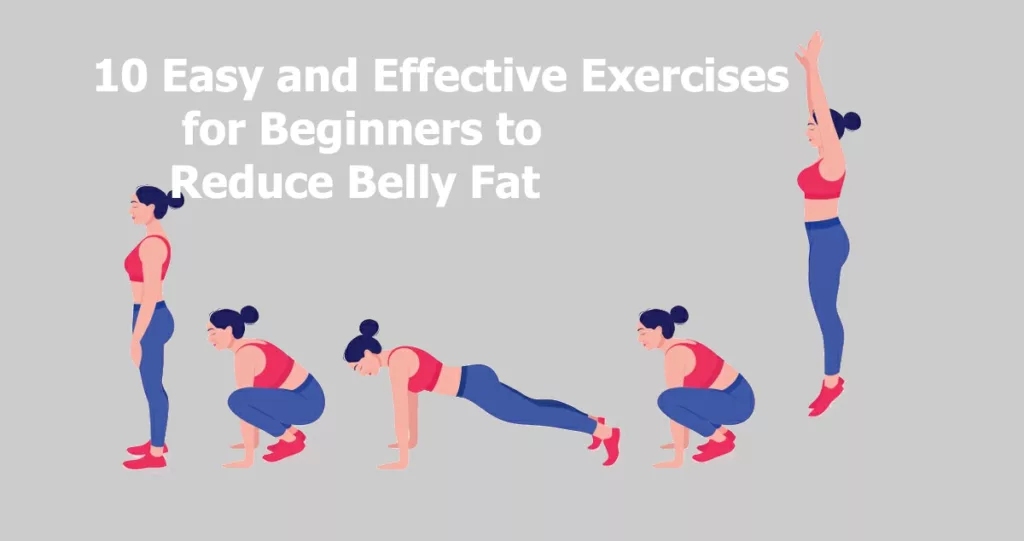
Burpees

High-Intensity Interval Training (HIIT) involves short bursts of intense exercises followed by brief recovery periods. This type of workout elevates your heart rate and boosts your metabolism, resulting in effective calorie burning and fat loss. HIIT workouts are known for their efficiency, as they can be completed in a shorter amount of time compared to traditional cardio exercises.

Sample and how to perform them

A common HIIT workout involves alternating between 20-30 seconds of high-intensity exercises like burpees, jumping jacks, or mountain climbers, followed by 10-15 seconds of rest or low-intensity exercises like walking or jogging in place. Repeat this cycle for 10-20 minutes.

Potential calorie burn and weight loss results

HIIT workouts can burn a significant amount of calories in a short time. On average, you can expect to burn around 200-400 calories in a 20-minute HIIT session. With regular HIIT workouts and a balanced diet, you can achieve weight loss and improve cardiovascular fitness.

2. Strength Training

deadlift, dead lift, weightlifting

Strength training involves resistance exercises that target various muscle groups. It helps build lean muscle mass, which increases your metabolism and promotes fat loss. Additionally, strength training improves overall body composition and enhances bone density.

Sample and how to perform them

Strength training exercises can include squats, lunges, deadlifts, push-ups, and weightlifting exercises with dumbbells or resistance bands. Start with lighter weights and gradually increase as you build strength. Aim for 2-3 sets of 8-12 repetitions for each exercise.

Potential calorie burn and weight loss results

While strength training may not burn as many calories during the workout itself compared to cardio exercises, it increases your basal metabolic rate (BMR) in the long term. This means you'll burn more calories even at rest. Additionally, strength training helps maintain muscle mass during weight loss, resulting in a toned physique.

Cardiovascular Exercises

motion blur, cycling, bike-1281675.jpg

Cardiovascular exercises, also known as aerobic exercises, increase your heart rate and help burn calories. These workouts improve cardiovascular health, increase endurance, and promote weight loss.

Sample and how to perform them

Cardio exercises include activities like running, cycling, swimming, dancing, or using cardio machines like the treadmill or elliptical trainer. Aim for 150-300 minutes of moderate-intensity cardio per week or 75-150 minutes of vigorous-intensity cardio.

Potential calorie burn and weight loss results

The calorie burn during cardio exercises varies depending on factors such as intensity, duration, and individual body composition. On average, you can burn around 300-600 calories per hour of moderate-intensity cardio. Regular cardio workouts contribute to weight loss by creating a calorie deficit.

Circuit Training

Push Ups
Photo by Elina Fairytale

Circuit training combines strength training and cardiovascular exercises into a fast-paced, full-body workout. It involves performing a series of exercises back-to-back with minimal rest in between, targeting different muscle groups and keeping your heart rate elevated.

Sample and how to perform them

Create a circuit by selecting 5-10 exercises, such as squats, lunges, push-ups, jumping jacks, or planks. Perform each exercise for a set amount of time (e.g., 30 seconds) or a specific number of repetitions (e.g., 10). Move from one exercise to the next without resting, and complete the circuit 2-3 times.

Potential calorie burn and weight loss results

Circuit training can burn a significant amount of calories due to its combination of strength and cardiovascular exercises. The exact calorie burn depends on factors such as intensity and duration. On average, a 30-minute circuit training session can burn approximately 300-500 calories.

5. Outdoor Activities

Outdoor activities provide an enjoyable and refreshing way to lose weight. They offer a change of scenery, fresh air, and the opportunity to engage in physical activities that target different muscle groups

Sample and how to perform them

Brisk Walking

Outdoor activities can include brisk walking, jogging, hiking, cycling, swimming, or playing sports like soccer, basketball, or tennis. Choose activities that you enjoy and can sustain for longer durations.

Potential calorie burn and weight loss results

The calorie burned during outdoor activities varies based on the intensity and duration of the activity. On average, activities like brisk walking or jogging can burn around 200-400 calories per hour, while more vigorous activities like cycling or swimming can burn 400-600 calories per hour.

Bottom Line

Embarking on a weight loss journey can be challenging, but with the top 5 best workouts for weight loss, you have the power to transform your body and achieve your fitness goals. By incorporating high-intensity interval training (HIIT), strength training, cardiovascular exercises, circuit training, and outdoor activities into your fitness routine, you're equipped with a diverse and effective arsenal of workouts.

These exercises not only burn calories and shed pounds but also improve cardiovascular health, build strength, and enhance overall fitness. Remember, consistency, dedication, and a balanced diet are key to maximizing the results of these workouts. So, lace up your shoes, grab your workout gear, and embark on this exhilarating journey toward a healthier, fitter, and happier you. You have the power to transform your body and unleash your full potential – go out there and make it happen!

https://sensediary.com/wellness/top-5-best-workouts-for-weight-loss/?feed_id=851&_unique_id=649f16b8a782d
Thursday, June 29, 2023

The Ultimate Guide to Weight Loss: Tips, Strategies, and Sustainable Methods

Weight loss is a common goal for many individuals seeking a healthier lifestyle. However, achieving sustainable weight loss requires more than just a crash diet or a temporary exercise routine. In this comprehensive guide, we will explore proven tips, effective strategies, and sustainable methods to help you achieve your weight loss goals and maintain a healthy weight in the long term.

Set Realistic Goals

One of the keys to successful weight loss is setting realistic and achievable goals. Start by assessing your current weight, health condition, and desired weight. Consult with a healthcare professional to determine a healthy weight loss range and timeframe that suits your individual needs. By setting specific and realistic goals, you can stay motivated and track your progress effectively.

Create a Calorie Deficit

caloric deficit

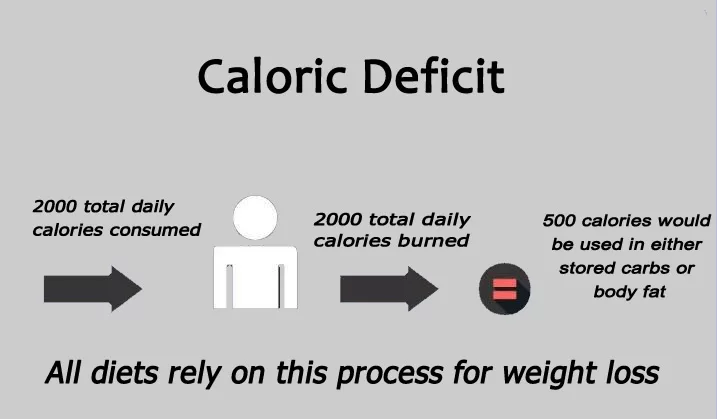
Weight loss fundamentally relies on creating a calorie deficit, which means consuming fewer calories than you burn. Calculate your daily caloric needs based on your age, gender, weight, and activity level, and then create a reasonable calorie deficit to achieve gradual weight loss. Remember to consult a healthcare professional or registered dietitian for personalized guidance.

Adopt a Balanced Diet

Focus on adopting a balanced and nutritious diet that includes a variety of whole foods. Emphasize fruits, vegetables, lean proteins, whole grains, and healthy fats. These foods provide essential nutrients, vitamins, and minerals while promoting satiety. Reduce your intake of processed foods, sugary beverages, and excessive sodium, as they often contribute to weight gain and poor health. Be mindful of portion sizes to maintain the calorie deficit and avoid mindless eating.

Practice Mindful Eating

Mindful eating involves paying attention to your body's hunger and fullness cues, eating slowly, and savoring each bite. It helps prevent overeating and allows you to enjoy your food while maintaining a healthy relationship with eating. Engage your senses while eating, chew your food thoroughly, and take breaks between bites. Mindful eating also involves being aware of emotional and environmental triggers that may lead to unhealthy eating habits.

Stay Hydrated

stay hydrated

Water is essential for overall health and plays a crucial role in weight loss. Stay hydrated throughout the day to support your metabolism, control hunger cravings, and enhance your body's ability to burn calories efficiently. Replace sugary beverages with water or herbal teas, and aim to drink at least 8 cups of water per day. Remember to adjust your water intake based on your activity level and climate.

Engage in Regular Physical Activity

woman, jogging, running-2592247.jpg

Incorporate regular exercise into your routine to boost your weight loss efforts. Aim for a combination of cardiovascular exercises, strength training, and flexibility exercises. Cardiovascular exercises like jogging, cycling, or swimming help burn calories, while strength training builds lean muscle mass, which in turn increases your metabolic rate. Additionally, flexibility exercises like yoga or Pilates can improve mobility and promote overall well-being. Find activities you enjoy to make fitness a sustainable part of your lifestyle.

Prioritize Sleep and Stress Management

Adequate sleep and effective stress management are often overlooked aspects of weight loss. Lack of sleep and chronic stress can disrupt hormones responsible for appetite regulation and metabolism. Aim for 7-9 hours of quality sleep each night to support your weight loss goals. Develop healthy bedtime routines, optimize your sleep environment, and limit exposure to electronic devices before bed.

Alongside sleep, prioritize stress management through techniques such as meditation, deep breathing exercises, or engaging in hobbies that bring you joy. Reducing stress levels can prevent emotional eating and support overall well-being.

Track Your Progress

Tracking your progress is an essential aspect of successful weight loss. By keeping a record of your journey, you can monitor your achievements, identify patterns, and stay motivated along the way. Consider using a weight loss journal, where you can document your daily food intake, exercise routines, and emotions related to your journey. Mobile apps and wearable devices offer convenient options for tracking your calorie intake, physical activity, and even sleep patterns.

Regularly reviewing your progress allows you to make adjustments, celebrate milestones, and stay accountable to your goals. Remember, the numbers on the scale aren't the only measure of progress—pay attention to how you feel, your energy levels, and improvements in physical fitness. Embrace the power of tracking as a tool to guide and inspire you throughout your weight loss journey.

Seek Support and Accountability

Seeking support and accountability is crucial for successful weight loss. Surrounding yourself with a supportive network of friends, family, or a weight loss community can provide encouragement, motivation, and valuable insights. Share your weight loss goals with others and communicate your progress openly. Consider joining support groups, both in-person and online, where you can connect with like-minded individuals facing similar challenges.

Additionally, hiring a personal trainer or nutritionist can offer professional guidance tailored to your specific needs and help you stay accountable to your goals. Having someone to share your triumphs and setbacks with can make the weight loss journey less daunting and more enjoyable. Remember, a strong support system can provide the necessary encouragement and motivation to keep you on track, especially during challenging times.

Embrace a Sustainable Lifestyle

Embracing a sustainable lifestyle is crucial for long-term weight loss success. It involves making lasting changes to your habits, behaviors, and mindset to support a healthy weight and overall well-being. Instead of viewing weight loss as a temporary phase, shift your focus to creating a sustainable and enjoyable lifestyle that nourishes your body and mind.

This includes adopting healthy eating habits as a regular part of your routine, engaging in regular physical activity that you genuinely enjoy, prioritizing self-care and stress management, and cultivating a positive relationship with food and your body. By incorporating these sustainable practices into your daily life, you can not only achieve your weight loss goals but also maintain a healthy weight and improve your overall quality of life for years to come.

Remember that the journey to sustainable weight loss is a marathon, not a sprint, so be patient, stay committed, and celebrate the small victories along the way.

Bottom Line

Achieving sustainable weight loss requires a holistic approach that encompasses healthy eating, regular exercise, adequate sleep, stress management, and a supportive environment. By following the tips, strategies, and sustainable methods outlined in this guide, you can embark on a successful weight loss journey that leads to a healthier and happier you. Remember, consistency and perseverance are key, and always consult with healthcare professionals before making significant changes to your diet or exercise routine.

https://sensediary.com/wellness/ultimate-guide-to-weight-loss-tips/?feed_id=836&_unique_id=649dc42106c05

Wednesday, June 28, 2023

3 Simple Steps to Lose Belly Fat in Just a Week

In just a week? That sounds too good to be true. But it isn't. Losing belly fat in just a week is not only possible, but it’s also extremely easy to do. All you need are some effective strategies and the will to see results fast. For most people, excess belly fat poses the biggest risk of chronic diseases like diabetes and hypertension. Reducing your waist size is crucial for improving the way you look, feel, and even think about yourself. However, losing weight from any part of your body can be challenging because fat storage is controlled by many different factors in the body. Simply cutting back on calories or upping your exercise routine might not be enough to bring about the results you want.

Step 1: Eat a healthy breakfast every morning

If you're looking to lose belly fat, one of the best things you can do is eat a healthy breakfast every morning. Breakfast jumpstarts your metabolism and helps you burn more calories throughout the day. It also helps to control your cravings and keep you feeling full until lunchtime.

Studies have shown that people who eat breakfast regularly are more likely to lose weight and keep it off. So if you're serious about getting rid of belly fat, be sure to start your day with a nutritious breakfast. Some great options include oatmeal, eggs, avocado toast, or a green smoothie. And if you need some ideas, be sure to check out our list of the best breakfast foods for weight loss.

Step 2: Get More Protein

eat protein

Protein is an essential macronutrient that helps with muscle growth and repair, synthesizes hormones and enzymes, and boosts immunity. So if you're not getting enough protein, your body will suffer.

Taking protein helps to burn belly fat and build lean muscle mass, so it's the perfect nutrient to help you achieve your weight loss goals. That's because protein helps you feel full and satisfied after eating, so you're less likely to overeat or snack between meals. What's more, protein helps to stabilize blood sugar levels, which can prevent cravings for unhealthy foods.

And, as an added bonus, protein helps to build and maintain lean muscle mass, so you'll burn more calories even when you're at rest. So if you're looking to lose belly fat, incorporating more protein into your diet is a great place to start.

There are a variety of ways to do this, such as adding protein-rich foods to your meals or snacks or using a protein powder as a meal replacement or post-workout snack. Whatever approach you take, make sure you're getting enough protein to see results.

Move more throughout the day

When it comes to reducing belly fat, exercise is key. While you can spot-reduce fat from your stomach, you can burn overall body fat with the right kind of exercise. And the best way to do that is by doing cardio and strength training. Cardio exercises like running, biking, and swimming will help you burn the most calories in the shortest amount of time. And strength training will help you build muscle, which will help you burn more calories even when you're at rest. So if you want to lose belly fat, start by adding some cardio and strength training to your routine. And for even better results, be sure to exercise regularly and eat a healthy diet.

Bottom Line

You've probably heard all kinds of weight loss myths over the years — some of them downright silly. One of the most pervasive is that it's impossible to lose weight. But according to more recent research, this just isn't the case.

In fact, countless studies have shown that you can actually lose weight — and keep it off — if you make a few simple changes to your diet and exercise routine. Whether you're trying to lose weight or just make healthy lifestyle changes, there are many different ways to go about it. And while some of them may seem extreme, each is based on sound scientific research to improve your health and help you reach your health and weight loss goals.

Weight loss doesn't happen overnight. And the best way to make sure it happens for you is to eat a healthy diet and exercise regularly. When you combine these two important factors, you'll find that you have the power to shed any unwanted pounds and keep them off.

https://sensediary.com/wellness/3-simple-steps-to-lose-belly-fat-in-just-a-week/?feed_id=821&_unique_id=649c71ff752aa

Tuesday, June 27, 2023

Unlock Your Weight Loss Goals with a BMI Calculator!

Do you know what your exact body weight is? Are you looking for a way to reach your weight loss goals? If so, then you should consider using a BMI Calculator! A Body Mass Index (BMI) Calculator is a tool that calculates the ratio of your weight and height to determine your body mass index. In this blog post, we will explore this useful tool and discuss how you can use it to reach your weight loss goals.

Introduction to BMI Calculators

A BMI Calculator is a tool that is used to calculate the ratio of your weight and height to determine your body mass index. This is important because your body mass index can provide information about your overall health. The BMI Calculator can be used to assess your risk for developing certain diseases, such as diabetes, heart disease, and stroke. Additionally, it can help you to set and reach realistic weight loss goals.

Benefits of BMI Calculators

One of the most important benefits of using a BMI Calculator is that it can help you to accurately monitor your body weight. Knowing your exact body weight can be a great motivator to help you reach your weight loss goals. Additionally, it can also help you to set realistic goals and stay on track.

Another benefit of using a BMI Calculator is that it can help you to better understand your body composition. This is important because knowing your body composition can help you to make better lifestyle choices that can help you to reach your weight loss goals. For example, knowing your body fat percentage can help you to create a tailored diet and exercise plan that is designed for your body type.

What is the BMI Formula?

The BMI formula is used to calculate your body mass index. The BMI formula is provided by the World Health Organization (WHO) and is used to measure body fat based on height and weight. The formula is as follows:

BMI = Weight (kg) / Height (m)2

The BMI formula is based on the height and weight of an individual. It takes into account the amount of fat in the body and can provide an accurate measure of a person’s health.

How to Calculate Your BMI

Calculating your BMI is simple and can be done in a few easy steps. To calculate your BMI, you will need to measure your height and weight. Once you have these measurements, you can plug them into the BMI formula provided by the WHO.

To get started, you will need to measure your height in meters and your weight in kilograms. Once you have these measurements, you can plug them into the formula. The result of this calculation is your BMI.

How to Interpret Your BMI Results

Once you have calculated your BMI, you will need to interpret the results. The interpretation of your BMI results can vary depending on your age, gender, and body type. Generally speaking, a BMI of 18.5 – 24.9 is considered to be a healthy weight. A BMI of 25 – 29.9 is considered to be overweight, while a BMI of 30 or above is considered to be obese.

It’s important to note that the BMI calculation is not always accurate as it does not take into account factors such as muscle mass and body fat percentage. Therefore, it’s important to consult with a doctor or health care professional to get a better understanding of your body composition.

The Different Types of BMI Calculators

There are a variety of different types of BMI Calculators available. Some of the most popular BMI Calculators include online calculators, smartphone apps, and handheld devices. Each type of BMI Calculator has its own set of benefits and drawbacks.

Online BMI Calculators are a popular choice as they are easy to use and can be accessed from any device with an internet connection. Smartphone apps are also a great choice as they are convenient and can be used on the go. Handheld devices are another option and can provide an accurate measure of your body composition.

The Benefits of Using a BMI Calculator

Using a BMI Calculator has a variety of benefits. The most obvious benefit is that it can help you to accurately monitor your body weight. Additionally, it can also help you to set realistic goals and stay on track.

Using a BMI Calculator can also help you to better understand your body composition. Knowing your body composition can help you to make better lifestyle choices that can help you to reach your weight loss goals. For example, knowing your body fat percentage can help you to create a tailored diet and exercise plan that is designed for your body type.

How to Use a BMI Calculator to Reach Your Weight Loss Goals

Using a BMI Calculator can be a great way to reach your weight loss goals. First, you will need to calculate your BMI. Once you have calculated your BMI, you can use it to set realistic goals and create a plan to reach those goals.

To reach your weight loss goals, it’s important to create a balanced diet and exercise plan. This plan should include healthy eating habits and regular exercise. Additionally, it’s important to track your progress and make adjustments as needed.

Tips for Reaching Your Weight Loss Goals

If you’re looking to reach your weight loss goals, there are a few tips that can help you. First, it’s important to create a balanced diet and exercise plan that is tailored to your body type. Additionally, tracking your progress and making adjustments as needed can help you to stay on track.

It’s also important to stay motivated and stay focused on your goals. Setting small, achievable goals can help you to stay motivated and on track. Additionally, it’s important to get plenty of rest and stay hydrated.

Bottom Line

Using a BMI Calculator can be a great way to reach your weight loss goals. Knowing your exact body weight can be a great motivator to help you reach your weight loss goals. Additionally, it can help you to set realistic goals and stay on track.

Using a BMI Calculator can also help you to better understand your body composition. Knowing your body composition can help you to make better lifestyle choices that can help you to reach your weight loss goals.

By following the tips outlined in this blog post, you can use a BMI Calculator to reach your weight loss goals. So, what are you waiting for? Get started today and unlock your weight loss goals with a BMI Calculator!

https://sensediary.com/wellness/unlock-your-weight-loss-goals-with-a-bmi-calculator/?feed_id=806&_unique_id=649b1c607ba93

Monday, June 26, 2023

5 Essential Study Tips for College Students: A Guide to Finding Success in School

Are you a high school student who struggles to keep your GPA up and maintain decent test scores? Are you someone who frequently forgets assignments or fails to finish your homework on time? Or are you someone who wants to improve your study habits and become a more successful student?

Whether you’re in 10th, 11th, or 12th grade, if you’re reading this article, it means that you’re open to new ways of approaching the challenge of high school. While it’s challenging at times, high school is also an exciting time in your life. There are many different experiences waiting for you after graduation as well. It’s a time full of potential and opportunities.

Getting back on track with your schooling doesn’t have to be difficult. Whether you need help getting started on assignments or want some tips for staying organized, we understand how overwhelming studying can seem. The following advice will help you ease back into things and find success in school once again.

Create a Morning Ritual

The morning ritual of high school students is an amazing and oftentimes chaotic experience. As the sun rises, so too do your alarms. Jumping out of bed and immediately you get ready for school. While many students have habits of studying early in the morning, some are rushing to get ready for the day. Some are even eating breakfast on the go! Ultimately, no matter what your choice is, each student has their own unique morning ritual to get them or through the day.

Most importantly, it should involve studying and reviewing notes from the night before and early morning workouts or meditation.

You may even take it one step further and use the time to work on a creative project or write a paper. Whatever the routine, it's important for you to find a morning ritual that works for you. It's the perfect way to get focused for the day and start off on the right foot. After all, a good morning ritual can make all the difference, setting you up for success and a positive day ahead.

Start a Study Group

Starting a study group as a high school student can be both exciting and beneficial! Not only does collaborating with fellow students promote team building, but it can also help everyone involved in the group stay organized and motivated. It can also help to break down difficult concepts and help each student stay up to date on their studies. Plus, it's a great way to make friends and work with people who have similar interests and goals.

When it comes to starting a study group, the first step is to set a date and location where everyone can meet. Then it's important to create a plan that outlines the group's objectives and how each individual can contribute. This could include a schedule for when each topic will be discussed or the tasks each person will take on. Additionally, it's important to think of ways to make the study group fun, such as playing educational games or taking turns leading discussions.

With a little planning and dedication, starting a study group as high school students can be a great way to boost academic performance and build relationships with your peers. So why not give it a try today?

Take Part in Class

It can be really difficult to speak out in class, especially if you are naturally shy. You'll need it all your life, though, so it's an important skill to develop. It's necessary to practice speaking in front of a group because you'll probably be asked to do so in college and/or at your future jobs. If you participate, teachers are more likely to perceive you as a dedicated learner.

Create a weekly Study Schedule

Creating a weekly study schedule is the key to success as a high school student. With a well-thought-out plan, you can make sure you have enough time to complete all your assignments, review the material, and still have time for leisure activities.

To begin, take a look at your class and extracurricular commitments and plan out your week accordingly. Make sure to leave time for breaks and rest, as it will help you stay focused and energized. Once you have your basic schedule down, use a weekly planner to mark important deadlines and plan out when you'll study each subject. Set aside time for review and reflection, so that you can go over your notes and make sure you understand the material.

Finally, be sure to give yourself a reward for completing a task or reaching a goal. This will help you stay motivated and excited about your studies. With a little bit of planning and dedication, you'll be sure to do well in high school and beyond!

Don't Neglect Vocabulary Commit to Memory Hooks Write Everything Down

Take Care Of Your Health

As a high school student, it’s important to take care of your health. With all the pressures of schoolwork and extracurricular activities, it can be easy to neglect your physical, mental, and emotional well-being. But taking care of yourself is essential for staying healthy and succeeding in life.

There are a few easy things you can do to stay healthy as a high school student. First, make sure you’re getting enough sleep. It can be tempting to stay up late working on assignments or playing video games, but getting enough sleep is essential for concentration and memory.

Second, eat healthy foods and make sure you’re getting the nutrients your body needs. Eating well can help you stay energized and focused throughout the day.

Finally, take time for yourself. Learn to recognize when you need a break and take time to relax and do something you enjoy. It can be helpful to set aside time each day to do something that brings you peace and joy. Taking care of your health is important for success in school and in life. So make sure to implement these tips in your daily routine!

https://sensediary.com/wellness/study-tips-for-college-students/?feed_id=791&_unique_id=6499ca6ce8bcb

Sunday, June 25, 2023

10 weight loss tips to Consider in 2023

Drink water before meals

Drinking water before a meal can be an effective weight loss strategy as it can help you control appetite and promote feelings of fullness. Research has shown that when you drink water before eating, you'll reduce the amount of food consumed during the meal and promote a reduction in overall caloric intake.

Additionally, drinking water can increase your body metabolism, which can help you burn more calories and thereby support weight loss. [1]

It's important to note that while drinking water before a meal can be a useful tool for weight loss, it should be part of a comprehensive approach that includes a balanced diet and regular physical activity. Drinking water should not be relied upon as a sole method for weight loss and it should be consumed in moderation as part of a healthy and balanced lifestyle.

Eat fiber-rich foods

Including fiber-rich foods in your diet can be an effective strategy for weight loss. Fiber is a type of carbohydrate that is not digested by the body, which means it passes through the digestive system relatively unchanged. This property makes fiber-rich foods filling and satisfying, which can help you control appetite and reduce overall caloric intake.

Fiber also helps to slow down the digestion of other foods, which can regulate blood sugar levels and reduce the risk of overeating. Additionally, fiber-rich foods are often low in calories, which makes them a great option for those looking to lose weight.

Good sources of fiber include whole grains, fruits, vegetables, legumes, and nuts. It's important to remember that while fiber can be a helpful tool for weight loss, it should be part of a balanced diet that includes a variety of healthy foods and regular physical activity.

Reduce portion sizes

Reducing portion size is a simple and effective weight loss strategy. By paying attention to portion sizes, you can eat satisfying meals while still managing your calorie intake. A helpful approach is to use a food scale or measuring cups to ensure that you're eating appropriate portions.

Also, using smaller plates and bowls can also help to reduce portion size as they can give the illusion of a larger meal. It's important to remember that reducing portion size is just one part of a comprehensive approach to weight loss, and should be combined with a balanced diet and regular physical activity for best results.

Avoid sugary drinks

cocktail, drink

Avoiding sugary drinks is an important weight loss strategy as they are a major source of empty calories in many people's diets. Sugary drinks, such as soda, sports drinks, and sweetened tea and coffee, are high in calories and low in nutrients, meaning that they provide a lot of energy without providing any health benefits.

Consuming sugary drinks can lead to weight gain over time as they contribute to an overall increase in caloric intake. Also, sugary drinks can also lead to insulin resistance and other metabolic problems, which can make it difficult to lose weight.

A better alternative to sugary drinks is water, which is calorie-free and essential for hydration. If you are looking to lose weight, it is a good idea to avoid sugary drinks and choose healthier beverages instead.

Cut out processed foods

Cutting out processed foods is a powerful weight loss strategy as these foods are often high in calories, sugar, and unhealthy fats. Processed foods are typically high in sodium, which can contribute to water retention and bloating.

Futhermore, many processed foods are also low in fiber, making them less satisfying and easier to overeat. By reducing or eliminating processed foods from your diet, you can reduce your overall caloric intake and improve your diet quality.

Instead, focus on eating whole, unprocessed foods such as fruits, vegetables, whole grains, and lean protein sources. These foods are more nutrient-dense, and they can help to keep you feeling full and satisfied, reducing the urge to overeat and leading to weight loss over time.

Increase physical activity

Excercise is a crucial component of any weight loss plan. Regular physical activity can help to boost your metabolism, burn calories, and build lean muscle mass. By increasing the amount of physical activity in your life, you can help to increase the number of calories you burn on a daily basis, leading to weight loss over time.

Also, physical activity can also improve your mental health and reduce stress, which can help to prevent overeating. There are many different types of physical activity that you can engage in, such as running, cycling, swimming, or weightlifting. The key is to find an activity that you enjoy and that you can stick with over the long term. Aim to engage in at least 30 minutes of moderate physical activity, such as brisk walking, most days of the week to see the best results.

Get enough sleep

Getting enough sleep is an important factor to consider when trying to lose weight. Sleep deprivation can affect hormones that regulate hunger and fullness, leading to an increase in appetite and cravings for high-calorie, sugary foods.

Lack of sleep can also reduce the amount of energy you have, making it harder to engage in physical activity and leading to a decrease in overall calorie burn. Aim to get 7-9 hours of sleep each night to promote weight loss and overall health.

Establishing a regular sleep routine, such as going to bed and waking up at the same time each day, can also help to regulate your body's natural sleep-wake cycle and improve the quality of your sleep. A good night's sleep can not only help you maintain a healthy weight, but it also has numerous other benefits, such as improved mood, increased energy, and better overall health.

Avoid eating late at night

Late-night eating can lead to overeating, as well as an increase in calorie consumption and weight gain. When you eat late at night, your body is winding down and preparing for sleep, making it less effective at burning calories and more likely to store excess calories as fat.

Late-night eating can disrupt your sleep, which can have negative effects on weight loss and overall health. To avoid late-night eating, try to eat your last meal of the day at least 2-3 hours before bedtime. This will give your body enough time to digest the food and avoid disrupting your sleep. Instead of snacking at night, focus on eating healthy, balanced meals throughout the day, and find alternative ways to relax or unwind in the evening, such as reading, taking a bath, or meditating. By avoiding late-night eating, you can improve the quality of your sleep and achieve your weight loss goals.

Avoid skipping meals

Avoiding skipping meals is an important weight loss tip. Skipping meals can lead to overeating later in the day and can also slow down your metabolism. When you skip a meal, your body goes into a "starvation mode" and conserves energy, making it harder to lose weight.

Skipping meals can also lead to feelings of fatigue and low energy, making it harder to stay active and burn calories. Instead of skipping meals, focus on eating regular, balanced meals and snacks throughout the day. This will help to regulate your hunger levels and prevent overeating. Eating smaller, more frequent meals can also help to keep your metabolism working at an optimal level, allowing you to burn more calories and achieve your weight loss goals.

By avoiding skipping meals and eating a balanced diet, you can maintain steady energy levels and promote healthy weight loss.

Reduce Stress

Reducing stress can play a crucial role in weight loss. Stress triggers hormonal imbalances that can lead to overeating and weight gain. To reduce stress, consider incorporating stress-reducing activities into your daily routine such as yoga, meditation, deep breathing, or exercise.

Getting enough sleep, engaging in hobbies, and spending time with loved ones can also help reduce stress. It is important to find what works best for you and make it a habit to incorporate it into your daily life for long-term stress management and a healthier approach to weight loss.

Bottom Line

While weight loss is important for a number of health reasons, it can often be difficult to lose weight. In particular, people who are struggling with weight issues may be tempted to seek weight loss solutions that are not

A variety of factors can affect weight loss, including your genes, age, gender, diet, exercise habits, and physical stress.

However, there are a number of effective strategies that you can use to help you lose weight and keep it off for good. The best weight loss program is one that you can stick with for the long-term.

To make weight loss easier and more successful, try to keep portions small and limit sugary drinks. Additionally, it's important to exercise regularly and increase physical activity levels. If you have a weight loss goal, try to incorporate all three of these weight loss strategies into your weight loss program.

Focus on slow and steady weight loss through a balanced diet and regular exercise. Consult a healthcare professional before starting a new diet or exercise program.

https://sensediary.com/wellness/10-weight-loss-tips-to-consider-in-2023/?feed_id=776&_unique_id=6498780ebf02e

Saturday, June 24, 2023

Best Vegan Protein Powder For Weight Loss

Losing weight can be a challenging journey, but it's a journey that many of us embark on to improve our health and well-being. While exercise and a healthy diet are key components to achieving weight loss goals, supplementing your diet with a vegan protein powder can also be a valuable tool to aid in your weight loss efforts.

Vegan protein powders are a great option for those looking for a high-quality source of protein without animal products, which can be important for individuals following a plant-based diet or those with dietary restrictions.

In this article, we will explore the best vegan protein powders for weight loss and provide you with the information you need to make an informed decision on which product to choose. Whether you're a seasoned vegan or simply looking to incorporate more plant-based products into your diet, we've got you covered!

Why Protein is important in Weight Loss

Protein is an essential nutrient that plays a critical role in weight loss. When we consume protein, it helps to build and repair tissues, including muscles, which is especially important during weight loss. As we lose weight, we also tend to lose muscle mass along with fat, which can slow down our metabolism and make it more difficult to lose weight. Consuming enough protein can help to preserve muscle mass and keep our metabolism functioning efficiently.

In addition to building and repairing tissues, protein also helps to keep us feeling full and satisfied after meals, which can prevent overeating and snacking on high-calorie foods. Protein takes longer to digest than carbohydrates or fats, which means it can help to keep us feeling fuller for longer periods of time. As a result, consuming a diet that is high in protein can help to reduce overall calorie intake and promote weight loss.

It's important to note that the amount of protein needed for weight loss can vary depending on factors such as age, sex, weight, and activity level. However, a general recommendation is to consume about 0.36 grams of protein per pound of body weight per day, although this amount can increase for those who are physically active or looking to build muscle mass. Overall, incorporating a sufficient amount of protein into your diet can be an important component of a successful weight loss journey.

Go for Vegan Protein Powder in Your Diet - Better Choice

Vegan protein powder offers a wide range of benefits that make it a popular choice for individuals looking for a high-quality source of protein without animal products. Here's a brief overview of the benefits of vegan protein powder:

  1. Plant-based: Vegan protein powders are made from plant sources such as peas, rice, hemp, and soy, which means they are free from animal products and are suitable for individuals following a vegan or vegetarian diet.
  2. High-quality protein: Despite not containing animal products, vegan protein powders can still provide high-quality protein that is easily digestible and contains all the essential amino acids that the body needs.
  3. Nutrient-rich: Many vegan protein powders also contain other nutrients such as fiber, vitamins, and minerals, which can help to support overall health and well-being.
  4. Low in fat and calories: Vegan protein powders are generally lower in fat and calories than animal-based protein powders, which can be beneficial for individuals looking to lose weight or maintain a healthy weight.
  5. Versatile: Vegan protein powder can be easily incorporated into a variety of recipes and can be used as a convenient and quick snack or meal replacement.

Overall, vegan protein powder is a great option for individuals looking for a high-quality, plant-based source of protein that can offer a wide range of health benefits.

What to Look For in Vegan Protein Powder For Weight Loss

When choosing a vegan protein powder for weight loss, there are several important factors to consider. Here's a brief overview of what to look for:

  1. Protein content: Look for a powder that contains at least 20 grams of protein per serving, as protein is key to preserving muscle mass and keeping you feeling full.
  2. Low in calories: Choose a powder that is low in calories to help keep overall calorie intake in check and promote weight loss.
  3. Low in sugar: Avoid powders that are high in added sugars, as these can contribute to weight gain and negate the benefits of the protein powder.
  4. Fiber Content: Look for a powder that contains fiber, as this can help to keep you feeling full and satisfied after meals.
  5. Nutrient content: Choose a powder that contains additional nutrients such as vitamins and minerals, which can help to support overall health and well-being.
  6. Taste and texture: Choose a powder that you enjoy the taste and texture of, as this can make it easier to incorporate into your diet on a regular basis.
  7. Brand reputation: Choosing a reputable brand can ensure that you are getting a high-quality product that has been rigorously tested for safety and effectiveness. Additionally, reputable brands often have a track record of producing products that are well-tolerated and effective for weight loss, which can provide added peace of mind when choosing a product.

By considering these factors, you can choose a vegan protein powder that is tailored to your weight loss goals and preferences, while also providing the necessary nutrients and protein to support your health and well-being.

Top 5 Best Vegan Protein Powders for Weight Loss

How to Add Vegan Protein Powder into Your Diet Plan

Incorporating vegan protein powder into your weight loss plan can be a simple and effective way to increase your protein intake and support your weight loss goals. Here are a few tips on how to incorporate vegan protein powder into your diet:

  1. Add it to smoothies: Blend vegan protein powder into your favorite smoothie recipe to create a high-protein, nutrient-dense meal or snack.
  2. Use it in baking: You can use vegan protein powder in baking recipes such as muffins or pancakes to increase the protein content.
  3. Mix it into yogurt: Mix vegan protein powder into a serving of yogurt for a quick and easy protein-rich snack.
  4. Add it to oatmeal: Stir vegan protein powder into a bowl of oatmeal for a filling and nutritious breakfast.
  5. Use it in recipes: Many recipes such as energy balls, protein bars, and even savory dishes can be enhanced by the addition of vegan protein powder.

By adding vegan protein powder into your weight loss plan, you can increase your protein intake, support muscle growth and repair, and stay fuller for longer.

Frequently Asked Questions about Vegan Protein Powder and Weight Loss

Is vegan protein powder effective for weight loss?

Yes, vegan protein powder can be effective for weight loss as it can help to increase feelings of fullness, preserve muscle mass, and support a healthy metabolism.

Can vegan protein powder cause weight gain?

No, vegan protein powder on its own is not likely to cause weight gain. However, some brands may contain added sugars or other calorie-dense ingredients that could contribute to weight gain if consumed in excess.

How much of it should I consume for weight loss?

The amount of vegan protein powder you should consume for weight loss will depend on your individual goals and needs. Generally, it's recommended to aim for at least 20 grams of protein per serving, but this may vary depending on your overall protein intake and activity level.

Can vegan protein powder replace meals for weight loss?

While vegan protein powder can be a convenient and nutritious option, it's generally not recommended to rely on it as a complete meal replacement for weight loss. Instead, aim to incorporate it into a well-rounded, balanced diet that includes a variety of whole foods.

Are there any side effects of consuming vegan protein powder for weight loss?

In general, consuming vegan protein powder is safe and well-tolerated by most individuals. However, some people may experience digestive discomfort such as bloating or gas, especially if consuming large amounts or if they have an underlying digestive condition. If you experience any adverse effects, it's recommended to consult with a healthcare professional.

Bottom Line

To recap, vegan protein powder can be a valuable tool for individuals looking to lose weight. High in protein, low calories, high in fiber, and low sugar content among others are the benefits that can't be over-emphasized.

Remember that the best protein powder for weight loss will depend on your individual needs and preferences, so be sure to consider factors such as taste, price, and ingredient quality when making your decision. Additionally, it's important to remember that protein powder should be used as a supplement to a healthy, balanced diet and regular exercise routine.

Do you enjoy this article? Please share with your audience.

https://sensediary.com/wellness/best-vegan-protein-powder-for-weight-loss/?feed_id=761&_unique_id=64972543ac6ad

Friday, June 23, 2023

Natural ways to reduce stress and anxiety

In today's fast-paced world, stress and anxiety have become common and prevalent issues affecting people of all ages and backgrounds. While some level of stress is normal and can be motivating, excessive and chronic stress can have negative impacts on our physical, emotional, and mental well-being.

Anxiety, on the other hand, can cause excessive worry, fear, and uncertainty, leading to further stress and mental health issues. While there are several pharmaceutical and therapeutic treatments available for stress and anxiety, many people are turning towards natural remedies to alleviate their symptoms.

manage stress and anxiety

In this article, we'll explore some of the best natural ways to reduce stress and anxiety, including exercise, mindfulness, breathing techniques, social support, aromatherapy, sleep hygiene, and more.

Exercise

Regular exercise has numerous benefits for both physical and mental health, including reducing stress and anxiety. It is important to find a form of exercise that you enjoy and can stick with, and to make it a regular part of your routine. Always consult with your healthcare provider before starting any new exercise regimen.

Here are some ways that exercise can help:

Reducing stress hormones: Exercise has been shown to decrease the levels of stress hormones, such as cortisol and adrenaline, in the body. These hormones can be helpful in the short term, but chronically elevated levels can lead to anxiety and other health problems.

Releasing endorphins: Exercise also triggers the release of endorphins, which are natural mood boosters. Endorphins can help to reduce feelings of stress and anxiety and promote feelings of well-being.

Improving sleep: Regular exercise can help to improve the quality of your sleep, which can also reduce stress and anxiety. Getting enough restful sleep is important for maintaining good mental health.

Boosting self-confidence: When you exercise regularly and see improvements in your fitness and overall health, it can boost your self-confidence and help to reduce feelings of stress and anxiety.

Providing a distraction: Exercise can provide a healthy distraction from the stresses of daily life. It gives you a chance to focus on something positive and productive and can help you to clear your mind and reduce feelings of anxiety.

Here are some examples of exercises that can help reduce stress and anxiety:

  1. Yoga: Yoga combines physical postures, breathing exercises, and meditation to help reduce stress and improve relaxation.
  2. Walking: Walking is a low-impact exercise that can help reduce stress and anxiety while improving overall fitness.
  3. Running or Jogging: Running or jogging can help reduce stress and anxiety by releasing endorphins, the body's natural mood boosters.
  4. Cycling: Cycling is a great way to reduce stress and anxiety while improving cardiovascular health.
  5. Swimming: Swimming is a low-impact exercise that can help reduce stress and anxiety while providing a full-body workout.
  6. Dancing: Dancing is a fun and creative way to reduce stress and anxiety while improving flexibility and coordination.
  7. Tai Chi: Tai Chi combines slow, gentle movements with deep breathing and meditation to help reduce stress and improve overall well-being.
  8. Strength Training: Strength training can help reduce stress and anxiety by improving overall physical health and promoting a sense of accomplishment and empowerment.

Meditation and Mindfulness

yoga

Meditation and mindfulness are two practices that can help individuals cultivate greater awareness, clarity, and peace of mind.

Meditation involves training the mind to focus on a particular object or idea, such as the breath, a mantra, or a visual image, in order to cultivate a calm and centered state of mind. It has been practiced for thousands of years in various forms and is often associated with spiritual or religious traditions. However, it can also be approached as a secular practice for stress reduction and self-improvement.

Mindfulness, on the other hand, involves paying attention to the present moment with a non-judgmental awareness of one's thoughts, feelings, and sensations. It involves intentionally bringing one's attention back to the present moment and becoming more aware of the patterns and habits of one's mind.

It has gained popularity in recent years as a way to reduce stress and improve well-being and is often taught as part of cognitive-behavioral therapy and other forms of mental health treatment.

Both meditation and mindfulness can be practiced on their own or together and can be beneficial for reducing stress, improving focus and concentration, and increasing overall well-being.

Breathing exercises

Breathing exercises are a powerful tool in reducing stress and anxiety as they can help calm the body's stress response system and bring about a sense of relaxation. When we experience stress and anxiety, our bodies enter a "fight or flight" response, which involves an increase in heart rate, shallow breathing, and muscle tension. This response can be helpful in certain situations, but when it is chronic or excessive, it can lead to negative health outcomes.

Breathing exercises work by activating the body's relaxation response, which counteracts the stress response. By taking slow, deep breaths and focusing on the sensations of the breath, we can reduce the heart rate, relax the muscles, and calm the mind. This can help to reduce feelings of stress and anxiety and promote a greater sense of well-being.

There are many different types of breathing exercises, including diaphragmatic breathing, square breathing, and alternate nostril breathing, among others. These exercises can be done anytime, anywhere, and can be a useful tool in managing stress and anxiety on a daily basis. Incorporating regular breathing exercises into your routine can help you build resilience to stress and improve your overall mental health and well-being.

Different Breathing Excercise

There are several types of breathing exercises that can be helpful in reducing stress and anxiety, improving focus, and promoting relaxation. Here are a few common types and instructions on how to do them:

  1. Diaphragmatic Breathing: This type of breathing focuses on expanding the belly rather than the chest. It helps to increase oxygen levels in the body and promote relaxation.

To do this exercise:

  • Sit or lie down comfortably.
  • Place one hand on your chest and the other hand on your belly.
  • Breathe in slowly through your nose, feeling your belly expand.
  • Exhale slowly through your mouth, feeling your belly deflate.
  • Repeat for several breaths, focusing on the sensations in your body.
  1. Box Breathing: This type of breathing involves taking slow, deep breaths and holding the breath for a brief pause. It can be helpful in reducing feelings of anxiety and promoting calm.

To do this exercise:

  • Sit or stand comfortably.
  • Breathe in slowly through your nose for 4 seconds.
  • Hold your breath for 4 seconds.
  • Exhale slowly through your mouth for 4 seconds.
  • Hold your breath for 4 seconds.
  • Repeat for several breaths, focusing on the sensation of the breath.
  1. Alternate Nostril Breathing: This type of breathing involves breathing in through one nostril and out through the other, alternating between the two nostrils. It can be helpful in reducing stress and anxiety, improving focus, and balancing the body's energy.

To do this exercise:

  • Sit comfortably with your back straight.
  • Use your right thumb to close your right nostril.
  • Inhale slowly through your left nostril.
  • Use your right ring finger to close your left nostril.
  • Exhale slowly through your right nostril.
  • Inhale slowly through your right nostril.
  • Use your right thumb to close your right nostril.
  • Exhale slowly through your left nostril.
  • Repeat for several breaths, focusing on the sensation of the breath.

These are just a few examples of breathing exercises that can be helpful in promoting relaxation, reducing stress and anxiety, and improving focus. It's important to find the type of breathing exercise that works best for you and to practice regularly for maximum benefit.

Social Support

Social support refers to the assistance, guidance, and emotional comfort that individuals receive from their social networks. Research has consistently shown that social support can play a critical role in reducing stress and anxiety levels.

Having a strong social support network can help individuals cope with stressors in their lives, such as difficult work situations, relationship problems, or health concerns. It can provide a sense of belonging, emotional validation, and a sounding board for ideas and concerns.

In times of stress and anxiety, having someone to talk to and receive encouragement from can also boost self-esteem and reduce feelings of isolation. This can help to promote a sense of resilience and improve overall well-being.

Furthermore, social support can help individuals to better manage the physical symptoms of stress and anxiety. For example, studies have shown that individuals who have a strong support network have lower levels of cortisol, a hormone associated with stress, than those who lack such support.

Overall, social support can be a valuable tool for reducing stress and anxiety. Whether through friends, family, or support groups, having access to a supportive network can promote a sense of well-being and improve the overall quality of life.

Ways to Build and Strengthen Social Connection

Social connections are crucial to our well-being and happiness. Here are some ways to build and strengthen social connections:

Join a club or group: Consider joining a club or group that aligns with your interests, such as a book club, hiking group, or volunteer organization.

Attend social events: Attend social events such as parties, dinners, or community events to meet new people.

Reach out to old friends: Reach out to old friends and catch up over coffee or lunch.

Get involved in your community: Volunteer for local events or participate in community organizations to meet people and make a difference.

Use social media: Connect with people on social media platforms such as Facebook, Instagram, or Twitter.

Attend a class or workshop: Take a class or workshop that interests you, such as cooking, painting, or dancing, to meet like-minded people.

Host gatherings: Host gatherings at your home or organize group outings to strengthen relationships with friends and acquaintances.

Remember that building social connections takes time and effort, so be patient and persistent in your efforts. By putting yourself out there and making an effort to connect with others, you can build meaningful relationships that can enhance your life in numerous ways.

Aromatherapy

Essential oils have been used for thousands of years for their therapeutic properties. Many essential oils have calming and soothing effects on the mind and body, making them useful in reducing stress and anxiety. Here are some essential oils that are commonly used for this purpose:

Lavender: Lavender oil is one of the most popular essential oils for reducing stress and anxiety. It has a calming and relaxing effect on the body and mind.

Bergamot: Bergamot oil is known for its ability to reduce anxiety and promote relaxation. It has a fresh, citrusy scent that is uplifting and soothing.

Chamomile: Chamomile oil is a gentle and soothing oil that is often used for relaxation and to reduce stress. It has a warm, sweet, and floral scent.

Ylang Ylang: Ylang Ylang oil has a sweet, floral scent that is known for its ability to reduce anxiety and promote relaxation. It is often used in aromatherapy to create a calming atmosphere.

Frankincense: Frankincense oil has a woody, earthy scent that is grounding and calming. It is often used in meditation and relaxation practices.

Essential oils can be used in various ways to reduce stress and anxiety. One common method is to diffuse them in a room using an essential oil diffuser. They can also be applied topically when diluted with a carrier oil or added to bathwater for a relaxing soak. However, it is important to remember that essential oils should not be used as a substitute for medical treatment and should be used with caution, especially for people with allergies or sensitive skin.

Sleep

Sleep plays a crucial role in managing stress and anxiety. In fact, sleep and stress have a bidirectional relationship, where lack of sleep can lead to increased stress and anxiety, and high levels of stress and anxiety can disrupt sleep.

Here are some ways in which sleep impacts stress and anxiety:

Sleep helps regulate emotions: During sleep, the brain processes and consolidates emotional information, which helps regulate emotions. Lack of sleep can make it difficult to regulate emotions, leading to increased stress and anxiety.

Sleep improves cognitive function: Getting enough sleep is essential for cognitive function, including attention, memory, and decision-making. When we are well-rested, we are better equipped to handle stress and anxiety.

Sleep reduces cortisol levels: Cortisol is a hormone that is released in response to stress. Lack of sleep can lead to increased cortisol levels, which can contribute to feelings of stress and anxiety. Getting enough sleep can help reduce cortisol levels, leading to a more relaxed and calm state.

Sleep enhances immune function: Lack of sleep can weaken the immune system, making us more susceptible to stress and anxiety. Getting enough sleep is essential for maintaining a healthy immune system, which can help protect us from the negative effects of stress and anxiety.

Tips for improving sleep quality

Improving sleep quality can be an effective strategy for managing stress and anxiety. Here are some tips that can help improve sleep quality:

Stick to a regular sleep schedule: Try to go to bed and wake up at the same time every day, even on weekends. This helps regulate your body's sleep-wake cycle and can improve the quality of your sleep.

Create a relaxing bedtime routine: Engage in relaxing activities before bedtime, such as taking a warm bath, reading a book, or listening to calming music. Avoid stimulating activities like watching TV or using electronic devices.

Make your bedroom conducive to sleep: Create a comfortable sleeping environment by keeping your bedroom quiet, cool, and dark. Use comfortable pillows and bedding and consider investing in a high-quality mattress.

Avoid caffeine and alcohol: Caffeine and alcohol can disrupt sleep, so it's best to avoid them in the hours leading up to bedtime.

Exercise regularly: Regular exercise can help reduce stress and anxiety, but avoid exercising close to bedtime as it can be stimulating.

Limit screen time: The blue light emitted by electronic devices can interfere with your body's natural sleep-wake cycle. Try to avoid using electronic devices for at least an hour before bedtime.

Practice relaxation techniques: Techniques such as deep breathing, meditation, and progressive muscle relaxation can help reduce stress and promote relaxation, making it easier to fall asleep and stay asleep.

In conclusion, improving sleep quality can be an effective strategy for managing stress and anxiety. By sticking to a regular sleep schedule, creating a relaxing bedtime routine, making your bedroom conducive to sleep, avoiding caffeine and alcohol, exercising regularly, limiting screen time, and practicing relaxation techniques, you can improve the quality of your sleep and reduce stress and anxiety.

Getting enough sleep is essential for regulating emotions, improving cognitive function, reducing cortisol levels, and enhancing immune function. If you are struggling with stress and anxiety, prioritizing sleep should be a part of your overall wellness plan.

Bottom Line

In conclusion, stress and anxiety are common experiences that can have negative effects on our mental and physical health. While there are many medications available to treat these conditions, there are also several natural ways to reduce stress and anxiety.

These include exercising regularly, practicing relaxation techniques, getting enough sleep, eating a healthy and balanced diet, avoiding caffeine and alcohol, spending time in nature, and connecting with others. By incorporating these natural strategies into our daily lives, we can better manage stress and anxiety and promote overall wellness.

https://sensediary.com/wellness/natural-ways-to-reduce-stress-and-anxiety/?feed_id=746&_unique_id=6495d1f23c149